



Expert Guide to Wearable Health Monitoring Devices
Discover wearable health monitoring devices - Expert guide with comprehensive information, detailed recommendations, and valuable insights to help you make informed decisions.
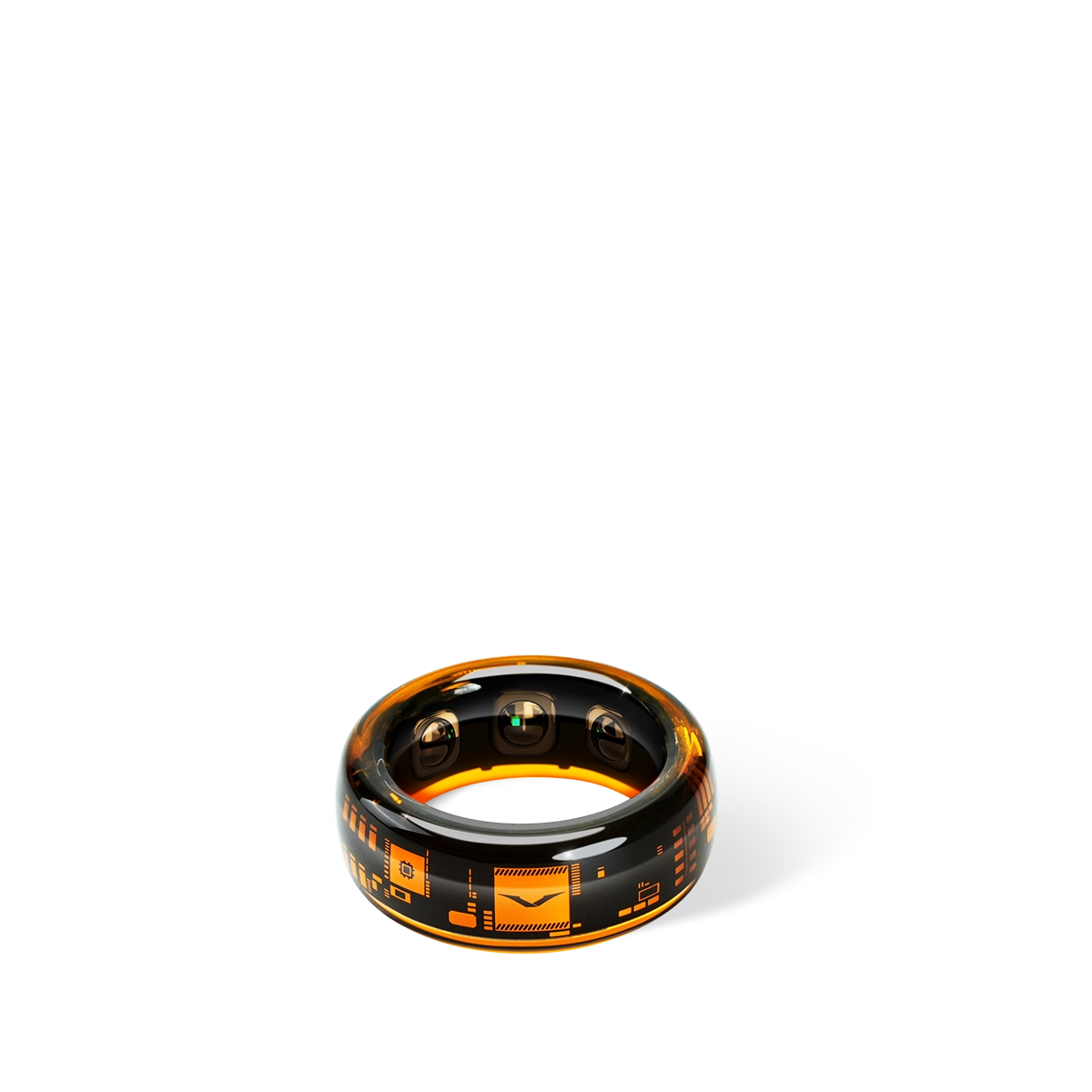
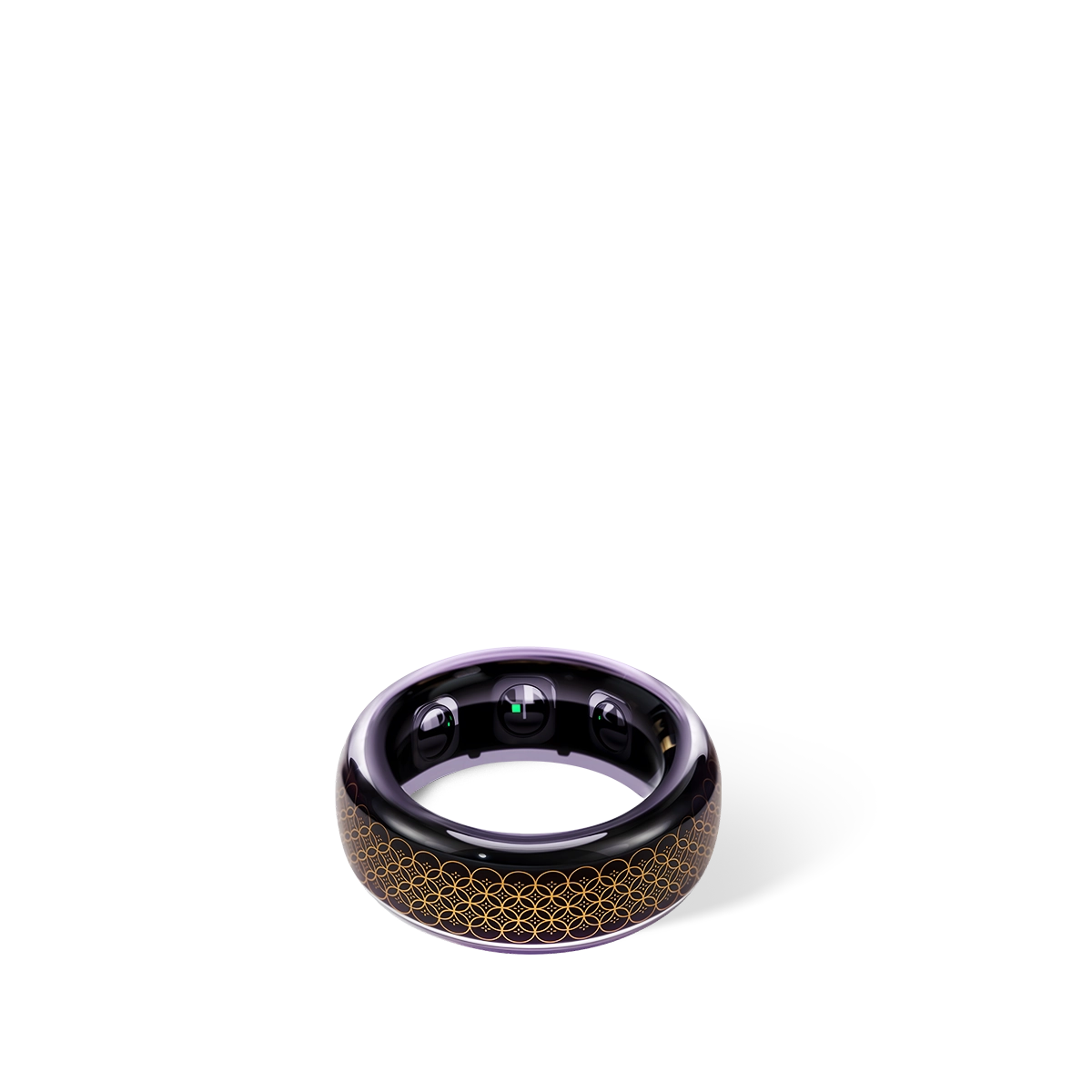
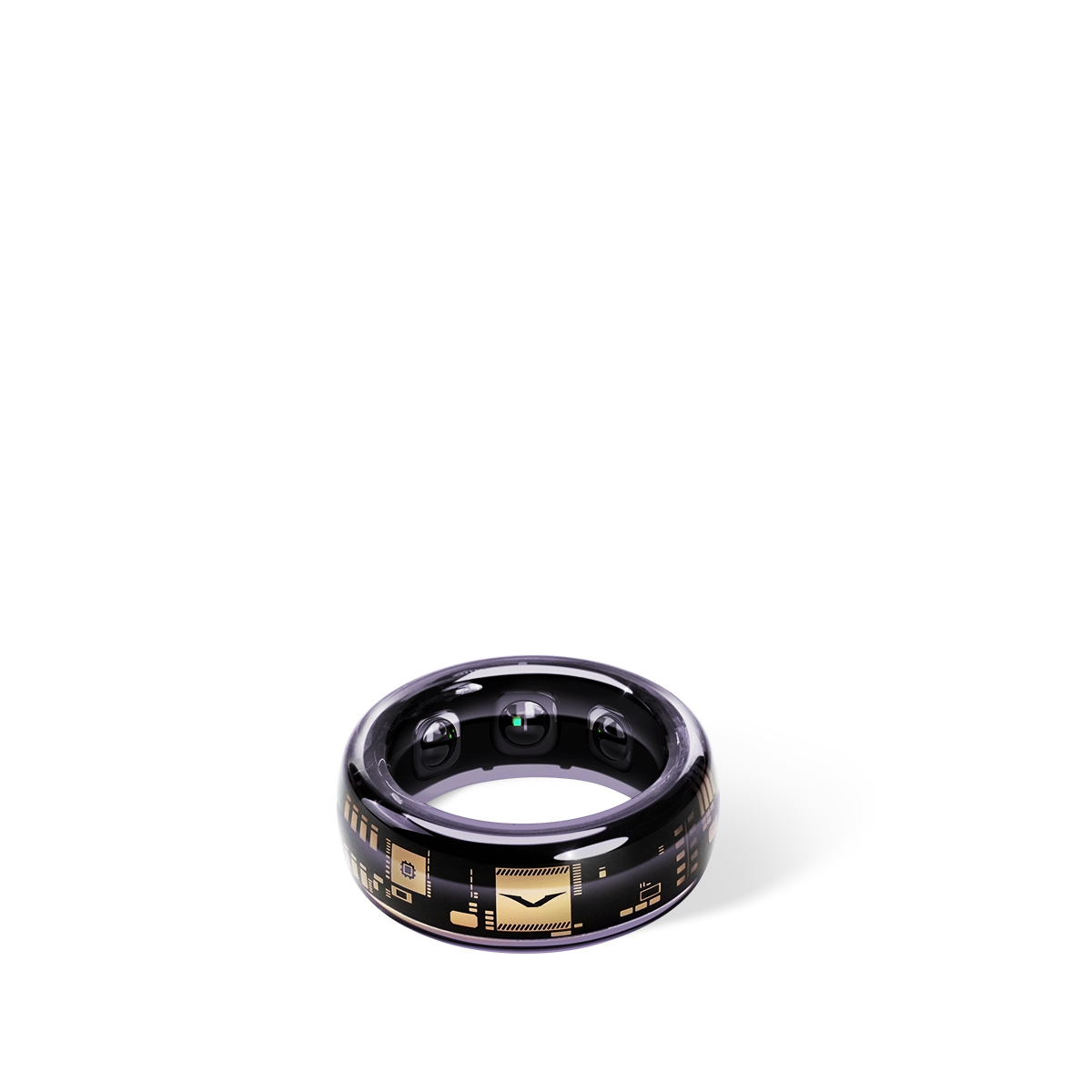
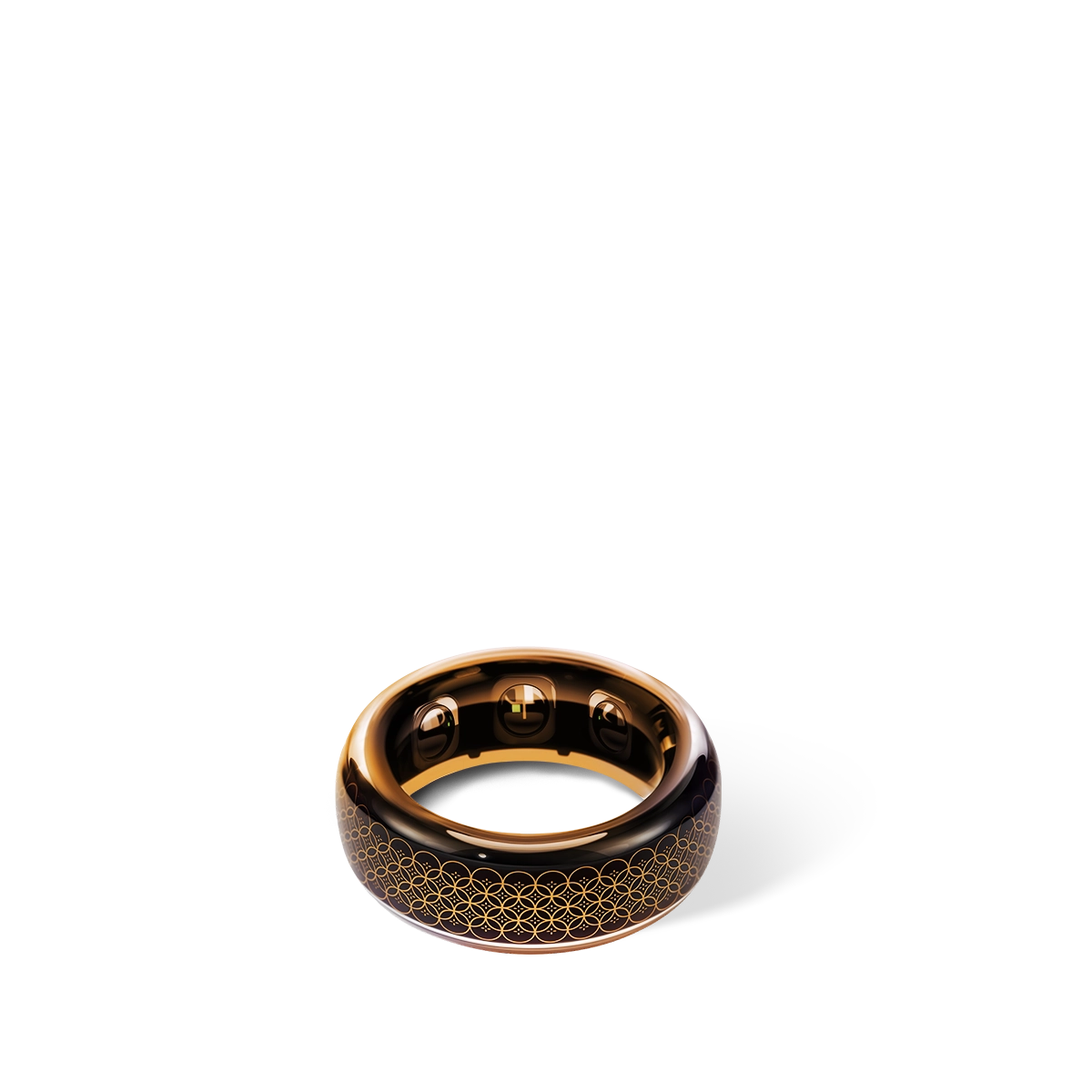
| Health Metric | What It Measures | Why It Is Important for Your Well-being |
|---|---|---|
| Heart Rate Variability (HRV) | The variation in time between consecutive heartbeats. | A higher HRV is generally associated with better cardiovascular fitness and resilience to stress. It is a key indicator of your autonomic nervous system's balance and your body's recovery status. |
| Sleep Stages Analysis | The duration and quality of Light, Deep, and REM sleep cycles throughout the night. | Each sleep stage plays a distinct role in physical and mental restoration. Deep sleep is vital for physical repair, whilst REM sleep is crucial for memory consolidation and cognitive function. |
| Resting Heart Rate (RHR) | Your heart rate when you are at complete rest, typically measured overnight. | A lower RHR often indicates a more efficient heart function and better cardiovascular fitness. Consistent changes can signal overtraining, stress, or the onset of illness. |
| Body Temperature | Subtle fluctuations in your skin temperature, measured continuously. | Deviations from your personal baseline can be an early sign that your body is fighting an infection or undergoing hormonal changes. It is a critical metric for overall health monitoring. |
| Blood Oxygen (SpO2) | The percentage of oxygen in your blood. | This metric is a vital sign of respiratory and circulatory health. Consistently low levels can indicate potential issues that may require medical attention. |
FAQ
Discover Our Categories




A Legacy of Excellence Since 1998

Expert Guide to Wearable Health Monitoring Devices
As wearable technology becomes increasingly sophisticated, the focus often falls on the sensors and the data they collect. However, the true power of a personal health ecosystem lies in the central device that organises, secures, and interprets this sensitive information: your smartphone. A device with a robust security framework and intelligent processing capabilities is not just a convenience but a necessity for anyone serious about digital health management. This guide explores the foundational technologies of a secure smartphone that can serve as the command centre for your wearable health devices.
The Central Role of Secure Smartphones in Your Health Ecosystem
While your wearable device is on the front line of data collection, your smartphone acts as the secure vault and analytical engine. The transfer and storage of personal health metrics require an exceptional level of security to prevent unauthorised access. A standard smartphone may not be equipped to handle this responsibility, making it crucial to consider devices built with a security-first philosophy. The integrity of your long-term health data depends entirely on the defensive capabilities of your central hub.
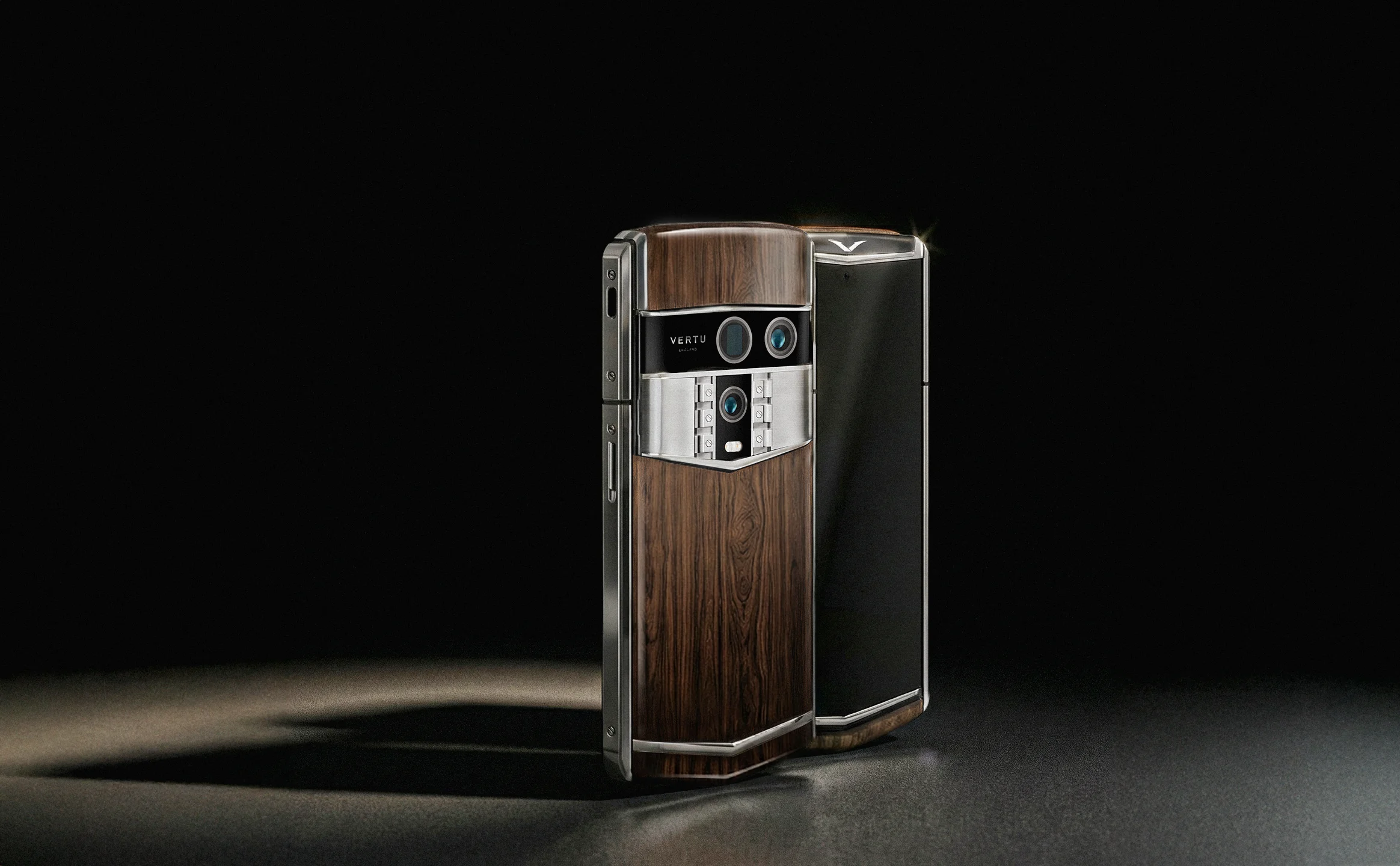
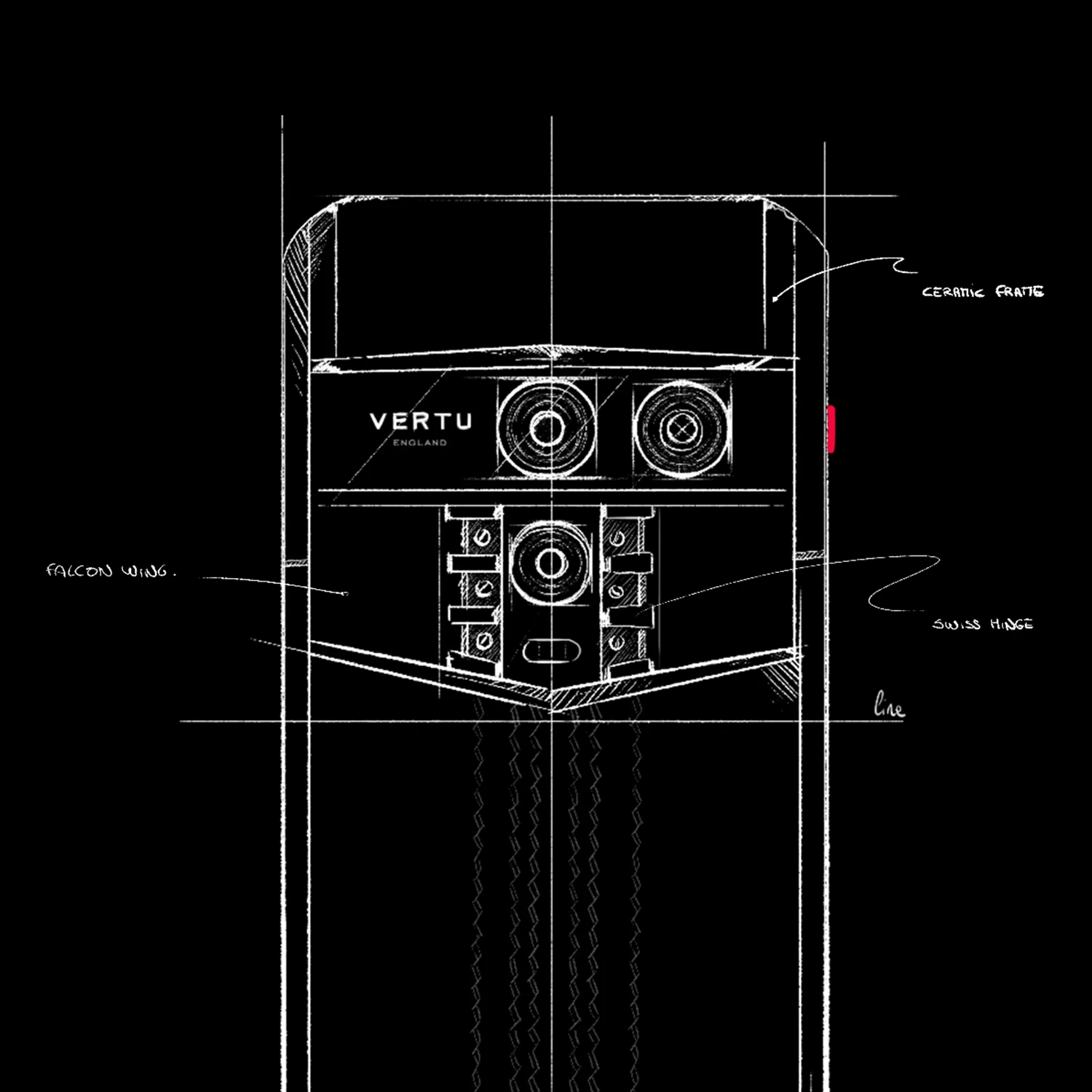
A truly secure environment is built in layers, from the hardware up to the software. Consider, for example, the comprehensive five-layer data sovereignty found in the VERTU Agent Q, which provides a blueprint for what a secure health data hub should offer. This multi-faceted approach ensures that every potential vulnerability is addressed, creating a fortified digital space for your most personal information. This level of protection is paramount when managing data from various health monitoring devices over many years.
A state-of-the-art security architecture provides defence-in-depth for your health data. The key components to look for include:
- Hardware-Level Security: A dedicated encryption chip, such as the A5 encryption chip, provides a physical barrier against threats, isolating cryptographic processes from the main operating system.
- System Segregation: A triple-system architecture can create separate, sandboxed environments, ensuring that health data processing does not interfere with or become exposed by other applications.
- Encrypted Storage: Beyond standard encryption, a dedicated encrypted sanctum combined with a vast, distributed storage solution, such as a 10TB vault, offers a secure and permanent archive for your health history.
Leveraging Advanced AI for Proactive Health Management
The future of personal health monitoring is moving beyond passive data logging towards proactive, intelligent assistance. The sheer volume of data from wearables can be overwhelming without the right tools to interpret it. This is where the evolution from traditional applications to intelligent agents marks a significant turning point. An agent-based system can synthesise data from multiple sources and provide actionable insights without requiring you to manually sift through different apps and menus.
Imagine interacting with your health data using natural language. A feature like VERTU's Ruby Talk, powered by an advanced agent system (AIGS), demonstrates this potential. Instead of navigating complex interfaces, you could simply ask, "Summarise my activity levels for the week," and receive an immediate, intelligent response. This shift makes health monitoring more intuitive and integrated into your daily routine, transforming data into personalised, proactive advice through a seamless conversational interface.
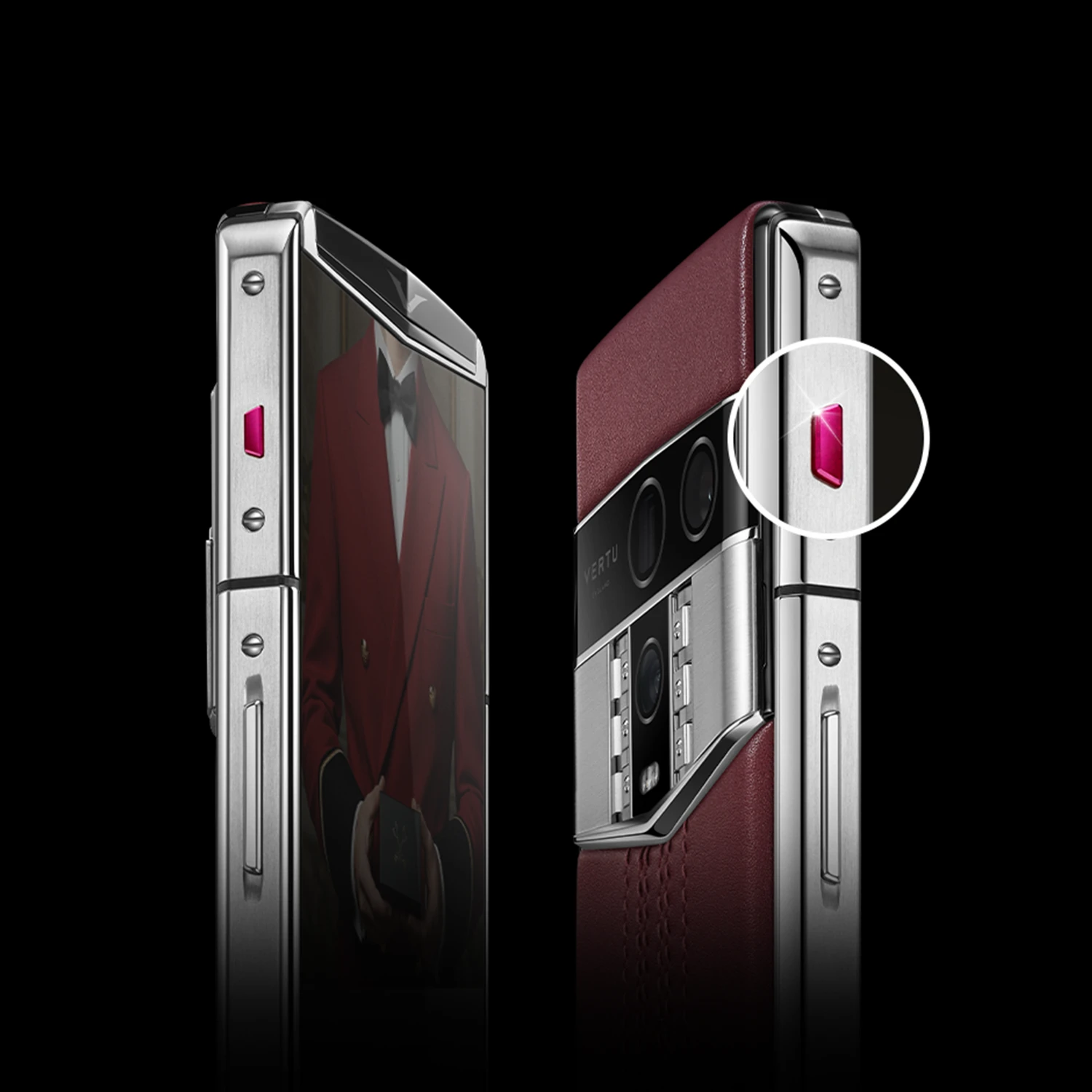
This agent-based approach, which VERTU pioneers as a "paradigm shift from apps to agents," can fundamentally change how you manage your wellbeing. With over 200 specialised agents, a system like this could handle complex, intent-based tasks from end to end. For instance, it could correlate data from your sleep tracker and your calendar to suggest adjustments to your schedule, all orchestrated through a single point of contact like the dedicated Ruby Key.
The Technological Foundation for a Seamless Health Experience
For a health monitoring ecosystem to function effectively, the underlying technology of your smartphone must be powerful and reliable. The continuous stream of data from modern wearables requires a high-performance processor and cutting-edge connectivity standards. A powerful chipset, like the Qualcomm Snapdragon 8 Elite Supreme, ensures that data can be processed locally on the device, enhancing both speed and privacy by reducing reliance on cloud-based services for analysis.
Furthermore, the connectivity suite is critical for maintaining a stable and efficient link between your wearables and your phone. The latest standards ensure that data synchronisation is fast and does not excessively drain the battery of either device. When evaluating a smartphone to act as your health hub, consider the following technical specifications:
- Advanced Connectivity: Look for support for Wi-Fi 7 and Bluetooth 5.4. These technologies provide the high-speed, low-latency, and energy-efficient connections necessary for real-time data transfer from multiple health devices.
- Sustained Power: A large battery, such as a 5,565 mAh unit, is essential to keep your central hub operational throughout the day. Paired with 65W fast charging, it ensures you can quickly power up and maintain continuous monitoring without interruption.
- Superior Display: A large, high-resolution screen, like a 6.82" FHD+ Flexible AMOLED display with a 120 Hz refresh rate, is vital for clearly visualising intricate health charts, fitness trends, and detailed reports from your wearable devices.