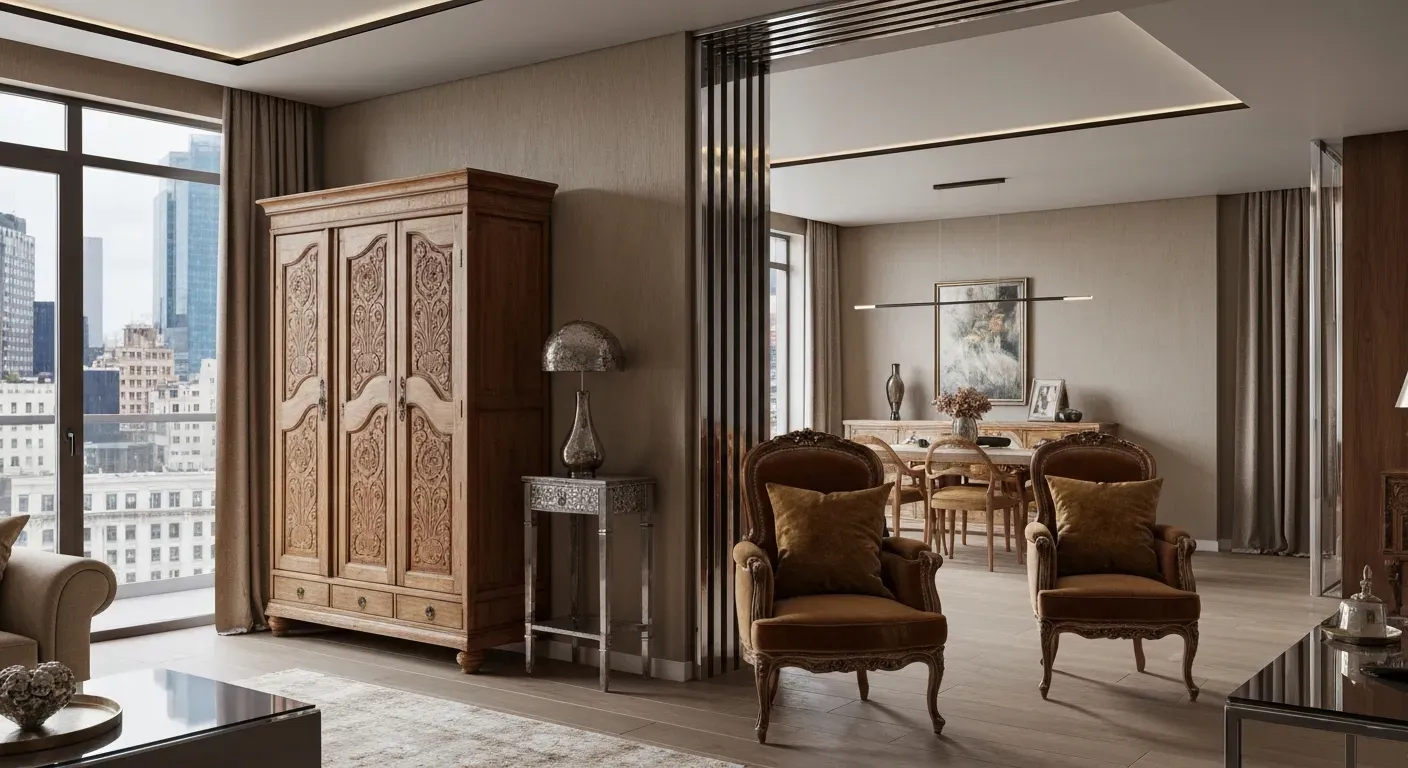
 Imagine stepping into a home that feels both timelessly elegant and cutting-edge. As we move into 2026, the desire for interiors that tell a unique story without sacrificing contemporary comfort is stronger than ever. You no longer have to choose between historical charm and sleek innovation; true sophistication now lies in the thoughtful curation of the past.
This aesthetic evolution is perfectly captured by the rising popularity of vintage design modern luxury. It is more than just placing antique furniture in a new room; it is about creating a harmonious dialogue between different eras. By balancing nostalgic warmth with high-end finishes, you can craft a living space that feels exceptionally curated and deeply personal.
Are you ready to transform your home with this exquisite fusion of eras? We have compiled the definitive guide to the top ten trends defining this unique style for the upcoming year. From the resurgence of classical architectural details to sustainable statement lighting, discover exactly how to seamlessly blend rich history with the height of modern opulence.
Top 10 Vintage Design Modern Luxury Trends Blending Nostalgia and Opulence in 2026
The vintage design modern luxury aesthetic for 2026 merges historical architecture with current technology. Interiors now prioritize specific material authenticity and automated convenience over generic minimalism. Homeowners demand tactile surfaces like velvet and marble alongside voice-activated systems. This fusion creates spaces that function efficiently while honoring craftsmanship from previous decades.
1. Statement Lighting: Illuminating Opulence
Large fixtures act as the primary focal point in living spaces and dining rooms. Designers are increasingly installing brass chandeliers and geometric glass sconces to anchor the visual weight of a room.
“Lighting fixtures serve as structural art, providing necessary lumens while defining the room's center.”
These pieces replace standard recessed lighting. They offer specific illumination zones, directing light onto architectural details rather than flooding the entire space, creating a moody, sophisticated atmosphere.
2. Velvet Upholstery and Textiles: Tactile Luxury
Velvet upholstery on sofas and armchairs increases tactile density and visual depth. Silk curtains and cashmere throw pillows provide thermal insulation and sound absorption. These materials introduce weight and texture, contrasting beautifully with smooth wall finishes. The focus remains on natural fibers that offer durability and distinct woven patterns.
3. Marble, Onyx, and Granite Countertops: Natural Elegance
Kitchens and bathrooms utilize solid stone slabs to convey permanence. Marble, onyx, and granite offer high heat resistance and structural longevity, making them staples of vintage design modern luxury.
| Material | Primary Application | Key Characteristic | Durability Factor |
|---|---|---|---|
| Marble | Baking stations, vanities | Distinct veining patterns | High heat resistance |
| Onyx | Backsplashes, bar tops | Translucent properties | Moderate scratch resistance |
| Granite | Main kitchen counters | Granular visual texture | High impact resistance |
4. High-End Wood Furniture and Cabinetry: Enduring Craftsmanship
Cabinetry constructed from oak, mahogany, and walnut provides superior structural integrity compared to MDF. These hardwoods resist warping in humid environments, ensuring longevity. Manufacturers use traditional joinery techniques like dovetailing to ensure drawer stability. The grain patterns of walnut and mahogany serve as the primary decorative element, eliminating the need for synthetic veneers.
5. Spa-Like Bathrooms: Personal Sanctuaries
Bathrooms now feature freestanding stone or copper bathtubs as centerpieces. These materials retain water temperature longer than standard acrylic, enhancing the bathing experience. Large vanities include dual sinks and dedicated storage for grooming tools. The layout prioritizes floor space and water-resistant materials, mimicking the functionality of commercial wellness centers.
6. Advanced Smart Home Features: Seamless Modern Living
Home automation systems manage lighting intensity and room temperature effortlessly. Sensors adjust LED Kelvin levels based on the time of day to support circadian rhythms. Thermostats learn occupancy patterns to regulate heating and cooling efficiently. Crucially, these technologies integrate into vintage-style switch plates, hiding the digital interface behind analog aesthetics.
7. Sustainable Luxury Materials: Conscious Opulence
Designers select bamboo, reclaimed wood, and recycled metals for construction. Bamboo flooring offers higher tensile strength than many traditional woods. Reclaimed timber reduces the demand for new logging while adding instant character. Eco-friendly paints with zero VOCs (Volatile Organic Compounds) maintain indoor air quality without sacrificing color depth.
8. Bold Colour Palettes and Textures: Expressive Interiors
Interiors display deep, saturated hues. Walls feature wood paneling paired with multi-dimensional artisan textiles. This approach moves away from monochrome grey. Designers layer materials to create contrast: rough artisan weaves against polished marble floors. The color selection directly impacts light absorption and spatial perception, adding drama to the room.
9. Return of Historical and Cultural Influences: Timeless Narratives
Floor plans and decor incorporate Art Deco geometry and Victorian layouts. Architects restore original molding and repurpose vintage architectural salvage. Spaces feature specific cultural motifs, such as hand-painted tiles or carved woodwork, which anchor the home in a specific design lineage and provide a sense of history.
10. Artisanal Touch and Bespoke Designs: Unique Character
Owners commission furniture built to exact room dimensions. Artisans craft one-of-a-kind tables and shelving units using specified materials. This eliminates mass-produced sizing constraints. Bespoke design ensures every inch of floor space serves a specific function, tailored to the occupant's daily requirements.
Embracing the Blend: A Guide to Vintage Design Modern Luxury in 2026
The 2026 design landscape merges distinct eras to create unique environments. Spaces now prioritize storytelling through vintage design modern luxury. This approach moves beyond simple aesthetics to build character. Residents value emotional connections over mass production. The style creates a sophisticated atmosphere through the fusion of history and present-day comfort.
The Allure of Nostalgia and Opulence
Designers focus on the narrative behind each piece. The trend shifts away from sterile minimalism and embraces the warmth of history. Unique items anchor rooms and spark conversation. This style combines the specific details of the past with the polish of the present. It brings a sense of permanence to high-end living environments.
Key Elements of Vintage Modern Luxury
Specific materials define this aesthetic. Interiors feature solid marble surfaces and heavy velvet textiles. High-end wood furniture, such as solid walnut or mahogany, provides structural weight. Statement lighting often utilizes brass or crystal to direct focus. The emphasis lies on durability and visible craftsmanship rather than disposable trends.
| Design Element | Vintage Characteristic | Modern Luxury Characteristic |
|---|---|---|
| Material | Aged Wood, Patina Brass | Polished Marble, Glass |
| Textile | Heavy Velvet, Brocade | Silk, High-thread Linen |
| Lighting | Crystal Chandeliers | LED Architectural Strips |
| Furniture | Hand-carved Detailing | Clean Lines, Ergonomic |
Integrating Vintage Finds into Contemporary Spaces
Integrating vintage finds requires curation. Homeowners blend antique furniture with sleek, contemporary items. Neutral paint colors serve as a gallery-style backdrop. This contrasts with the ornate details of antique shopping finds. The result reflects a personal journey through design history. It highlights an appreciation for craftsmanship without sacrificing modern utility.
FAQ (Frequently Asked Questions)
How can I incorporate vintage elements without making my space look cluttered?
Focus on curated statement pieces instead of large collections. Pair a 1920s oak table with contemporary lighting to balance the aesthetic. Maintain ample open floor space to prevent visual chaos.
What are the best neutral paint colours to complement vintage luxury design in 2026?
2026 palettes rely on warm off-whites, soft greys, and muted beiges. These hues provide a neutral backdrop. They allow the textures of vintage design modern luxury items to command attention.
Is maximalism a sustainable design style for modern luxury?
Maximalism supports sustainability when utilizing antique finds. Upcycling existing furniture reduces landfill waste. Selecting durable solid wood items over particle-board decor extends product lifecycles.
Where can I find ethically sourced materials for luxury interior design?
Locate ethically sourced materials through specialized suppliers. Prioritize reclaimed wood flooring and recycled metal hardware. Verify organic certifications for textiles like linen or wool.
What is the difference between vintage luxury and contemporary luxury?
Vintage styles highlight age and history, while contemporary designs focus on innovation. Blending these distinct approaches is a key trend for 2026.
| Attribute | Vintage Luxury | Contemporary Luxury |
|---|---|---|
| Primary Focus | Historical charm & patina | Sleek lines & technology |
| Construction | Handcrafted, unique character | Precision manufacturing |
| Materials | Aged wood, brass, leather | Glass, steel, synthetics |
Merging these styles defines the current aesthetic. Prioritize quality materials and intentional placement. This approach results in a cohesive, opulent environment that respects both history and modern innovation.
Conclusion
As we navigate 2026, the seamless fusion of vintage design modern luxury offers a compelling path to creating interiors that are both opulent and deeply personal. This sophisticated approach transcends fleeting trends, allowing you to embrace nostalgia while prioritizing exceptional craftsmanship and conscious choices. Ultimately, this style enables you to craft spaces that tell a unique story, honoring the past while celebrating contemporary comfort.
To achieve this aesthetic, start by identifying key vintage pieces that truly speak to you and serve as the soulful anchors of your room. Explore sustainable material options to ensure your design choices remain environmentally responsible and enduringly stylish. Furthermore, do not be afraid to boldly mix historical architectural elements with sleek contemporary design for a truly bespoke look.
Begin curating your own unique blend of vintage charm and modern opulence to define your home for 2026 and beyond. By thoughtfully layering distinct eras and rich textures, you can craft a living environment that feels effortlessly curated rather than simply decorated. Embrace this exciting design evolution today and transform your space into a timeless masterpiece of style.