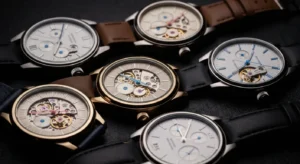
 The world of high-end horology is currently witnessing a fascinating duel between centuries of devoted tradition and modern artistic rebellion. As you navigate the complex and expensive market of fine timepieces, choosing between a celebrated household name and a hidden artisanal gem has never been more challenging. This pivotal decision ultimately defines not just the watch you wear, but the personal story you choose to tell.
For decades, the global gold standard has been strictly defined by the immense prestige and deep history of a classic luxury swiss watchmaker. These iconic houses offer an undeniable sense of stability and recognizable heritage that have successfully stood the test of time. Yet, a rising wave of independent artisans is now challenging this status quo by prioritizing radical creative freedom over traditional mass production.
In this detailed guide, we will explore the distinct philosophies and craftsmanship approaches driving these two competitive sectors in 2026. You will discover the unique strengths of established giants compared to the groundbreaking, limited-edition innovations found within independent studios. Let’s delve deep into the evolving landscape of haute horlogerie to help you confidently select your next mechanical masterpiece.
The Enduring Allure of Luxury Swiss Watch Brands
Collectors value mechanical precision and verifiable history above all else. A top-tier luxury swiss watchmaker delivers functional heritage rather than temporary fashion. These manufacturers maintain market relevance through specific technical innovations and distinct model lines that have become cultural icons.
Blancpain: A Legacy of Timeless Elegance
Blancpain operates as one of the oldest registered watch brands in history. The manufacturer maintains its heritage through the sophisticated Villeret collection. Professional divers utilize the legendary Fifty-Fathoms watch for underwater timekeeping. The brand focuses strictly on mechanical movements and traditional assembly methods, refusing to produce quartz watches.
Breguet: Innovation and Aristocratic Design
Abraham-Louis Breguet founded this historic house, forever changing horology. He invented the tourbillon regulator to counter gravity's effect on accuracy. The brand features specific design codes like coin-edge cases and guilloché dials. These pieces demonstrate centuries of horological mastery and aristocratic pedigree.
A. Lange & Söhne: The Pinnacle of German High Watchmaking
Walter Lange revived the company in 1990, re-establishing it as the standard for German high watchmaking. The models blend technical sophistication with detailed Glashütte finishing. This represents a modern approach to traditional craftsmanship, often rivaling the very best Swiss counterparts.
Omega: Precision and Iconic Status
Omega holds global recognition for the Speedmaster ‘Moonwatch'. NASA selected this chronograph for lunar missions, cementing its place in history. The brand utilizes Co-axial escapement technology, a mechanism that significantly reduces friction within the movement for greater long-term accuracy.
Jaeger-LeCoultre: The Watchmaker's Watchmaker
Industry peers call Jaeger-LeCoultre ‘The Watchmaker's Watchmaker' due to their mastery of in-house caliber production. Designers created the iconic Reverso with a flip-over case originally designed to protect the glass from impacts during polo matches.
| Brand | Iconic Model | Key Technology/Feature | Origin |
|---|---|---|---|
| Blancpain | Fifty-Fathoms | Mechanical-only focus | Switzerland |
| Breguet | Classique | Tourbillon invention | Switzerland |
| Omega | Speedmaster | Co-axial escapement | Switzerland |
| Jaeger-LeCoultre | Reverso | In-house calibers | Switzerland |
| A. Lange & Söhne | Lange 1 | Glashütte finishing | Germany |
“These brands focus on repairability and longevity, ensuring a watch functions for decades.”
These manufacturers prioritize engineering over fleeting trends. They offer distinct mechanical solutions for timekeeping. Buyers acquire a functional instrument backed by centuries of development and a robust service network.
The Rise of Independent Brands: Craftsmanship Redefined
Collectors often look beyond the typical luxury swiss watchmaker for specific manufacturing techniques and exclusivity. Independent creators offer distinct alternatives, focusing on precise engineering and extremely limited availability. Two notable examples demonstrate this shift in the industry.
Kurono Chronograph 2: Independent Craftsmanship with Vintage Flair
The Kurono Chronograph 2 utilizes a robust mechanical chronograph movement. Its design blends vintage aesthetics with modern assembly standards. The dial features a specific multi-tone layout that appeals to purists. Strict production limits define its availability, often selling out in minutes.
| Feature | Kurono Chronograph 2 | JN Shapiro Resurgence |
|---|---|---|
| Origin Focus | Japanese Independent | Made in the USA |
| Dial Style | Vintage Aesthetic | Layered Pocket Watch Style |
| Key Technique | Mechanical Chronograph | Mechanical Engraving |
JN Shapiro Resurgence: American Horological Independence
The JN Shapiro Resurgence achieves true ‘Made in the USA' status. Its layered dial draws direct inspiration from classic American pocket watches. The workshop uses engine-turning lathes for intricate mechanical engraving (guilloché). This model demonstrates a specific path for modern independent innovation outside of Europe.
These timepieces prioritize tangible details over mass production numbers. They provide collectors with mechanical variety and specific provenance. The emphasis remains on construction methods and dial complexity rather than brand marketing.
Craftsmanship: Traditional Techniques Meet Modern Innovation
Mechanical watches function through physics rather than electronics. Gears, springs, and levers drive the timekeeping mechanism. This process demands precise assembly. Both established houses and independent workshops prioritize this manual construction, ensuring the device functions for decades.
The Art of Mechanical Watches
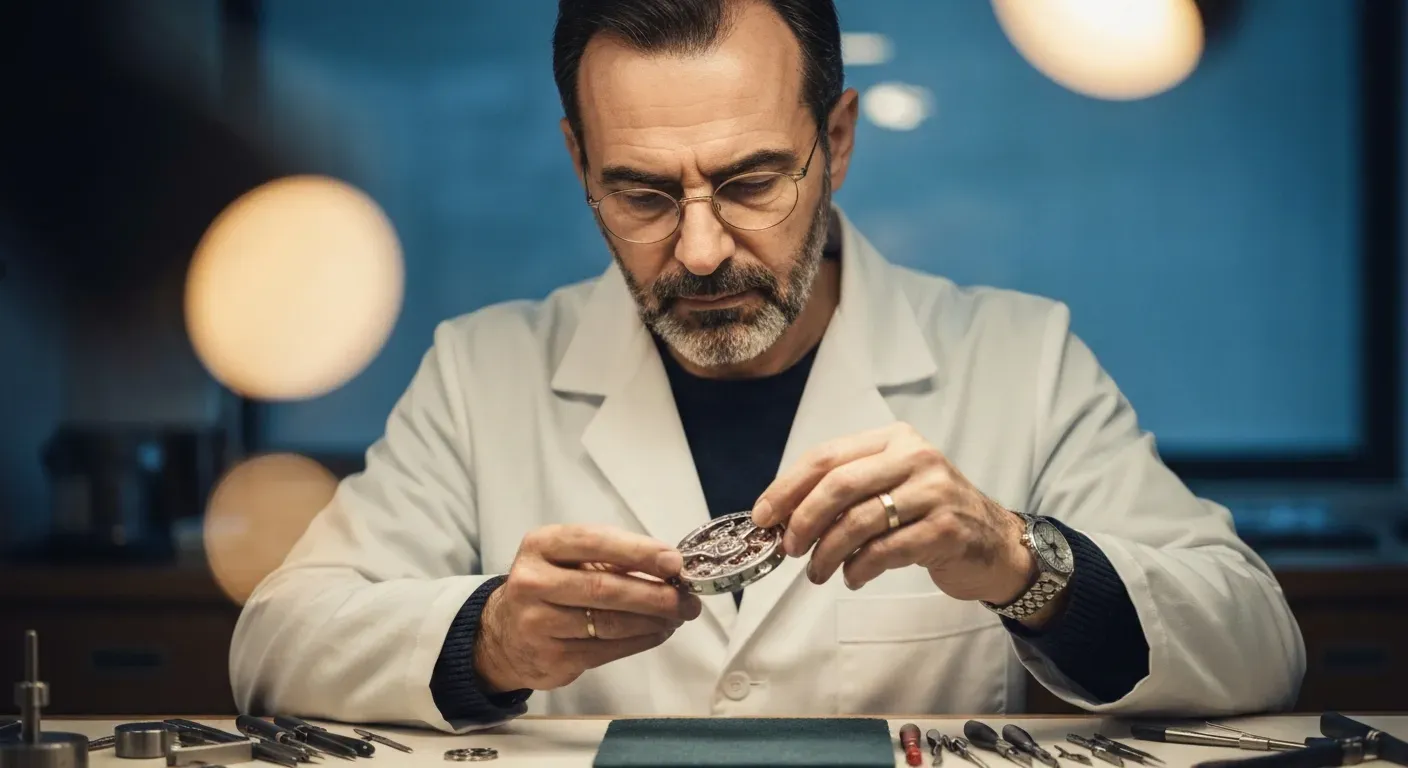
Technicians assemble hundreds of microscopic components by hand. A standard automatic movement often contains over 200 individual parts. Bridges, gears, and springs fit together with micron-level tolerance. This manual labor defines the mechanical watch and contrasts sharply with disposable battery-powered alternatives.
“Precision in assembly dictates the longevity of the machine.”
| Feature | Mechanical Movement | Quartz Movement |
|---|---|---|
| Power Source | Wound Mainspring | Battery |
| Component Count | 100+ Parts | < 50 Parts |
| Maintenance | Service every 3-5 years | Battery change every 2 years |
| Seconds Hand | Sweeping motion | Ticking motion |
The Evolution of Watchmaking: Heritage and Innovation
Heritage provides a foundation, yet technology drives progress. A modern luxury swiss watchmaker often combines centuries-old designs with advanced materials. Brands now utilize silicon hairsprings, which resist magnetic fields up to 15,000 gauss. Cases frequently feature Grade 5 titanium or forged carbon for reduced weight without sacrificing strength.
Independent brands often take greater design risks. They experiment with unique complications like wandering hours or fluidic displays. These innovations challenge established norms, proving that tradition and future tech can coexist effectively.
The Role of the Watch Movement Manufacturer
Few brands manufacture every single component internally. Dedicated movement manufacturers produce the engines for the industry, supplying specialized calibers to various companies. These factories create base movements, known as ébauches.
These units serve as the foundation for complications like chronographs or moon phases. This partnership enables a luxury swiss watchmaker to maintain high production standards. It also lowers the barrier to entry for creative independent studios, allowing them to launch products with reliable, tested mechanics immediately.
Navigating the Watch Industry in 2026: Insights for Collectors
The watch market in 2026 presents a distinct landscape. Buyers prioritize specific mechanics and provenance over brand hype. Collectors analyze movement architecture and finishing techniques more than ever before. Value retention relies on scarcity and engineering rather than marketing campaigns. The industry now emphasizes transparency in manufacturing origins and component sourcing.
The Discerning Eye of Watch Collectors
Collectors demand verifiable history and manual execution. Established brands offer archives dating back centuries to validate provenance. Niche independent watch brands provide unique escapements and hand-finished components. Buyers track production numbers and serials to verify rarity.
They seek specific calibers rather than general aesthetics. A collector values a hand-chamfered bridge over a mass-produced dial. The market rewards brands that maintain strict quality controls and limit annual production output to preserve exclusivity.
Considering a Connected Watch?
Every major luxury swiss watchmaker has evaluated the connected market. Some released hybrid models with health tracking and OLED screens. However, the primary demand focuses on mechanical longevity. A mechanical movement functions for generations without software updates. Batteries degrade; gears endure.
| Feature | Connected Watch | Mechanical Watch |
|---|---|---|
| Power Source | Lithium-ion Battery (Daily charge) | Mainspring (Winding/Motion) |
| Lifespan | 3-5 Years (Chip obsolescence) | Indefinite (Serviceable components) |
| Value Trend | Depreciates rapidly | Retains or appreciates |
| Primary Function | Data processing & Notifications | Timekeeping mechanics |
The Future of Haute Horlogerie
The year 2026 brings material innovation. Brands utilize Grade 5 titanium, ceramic, and carbon fiber for durability. Independent makers introduce novel case shapes and floating displays to challenge norms. Meanwhile, traditional houses refine complications like perpetual calendars and tourbillons.
The industry balances silicon hairsprings with traditional guilloché dials. Innovation drives the sector forward. Manufacturers now combine computer-aided design (CAD) with hand-assembly to achieve higher precision tolerances than ever before.
FAQ (Frequently Asked Questions)
Q1: What is the primary difference between a luxury Swiss watchmaker and an independent brand?
A1: Luxury Swiss watchmakers emphasize heritage, extensive history, and established brand recognition. Independent brands focus on unique designs, limited production, and artisanal craftsmanship, often with a more modern or niche appeal.
Q2: Are independent watch brands less reliable than established Swiss brands?
A2: Not necessarily. Many independent brands use high-quality movements and employ meticulous craftsmanship, ensuring excellent reliability and longevity. Their focus is often on precision and exclusivity.
Q3: Which type of watch holds its value better?
A3: Generally, highly sought-after models from established luxury Swiss watchmakers tend to hold or increase their value due to brand prestige and historical significance. However, rare and exceptionally crafted independent watches can also be strong investments.
Q4: What are the advantages of choosing a luxury Swiss watchmaker?
A4: Advantages include proven track record, extensive service networks, recognizable status, and a legacy of innovation. These watches often represent a tangible piece of horological history.
Q5: What attracts collectors to independent watch brands?
A5: Collectors are drawn to the exclusivity, unique designs, innovative complications, and the direct connection to the artisan's vision. Independent brands offer something distinct from the mainstream market.
Conclusion
Collectors in 2026 navigate a market defined by technical merit. Whether choosing a centuries-old manufacturer or a modern independent creator, the focus remains on the movement. Authenticity drives the transaction. Understanding the distinction between tech-focused wearables and heirloom mechanics ensures a wise acquisition.
As we navigate the vibrant landscape of 2026, the world of haute horlogerie remains defined by the prestigious legacy of the luxury swiss watchmaker and the bold innovation of independent brands. Both sectors contribute uniquely to the industry, offering distinct approaches to heritage and mechanical artistry. This duality ensures that the pursuit of perfection in timekeeping continues to evolve while honoring centuries of tradition.
To truly curate a meaningful collection, you must look beyond aesthetics and delve into the specific philosophies that drive each manufacturer. Take the time to research the historical lineage of established houses alongside the disruptive creativity found in modern independent workshops. Making informed acquisitions requires a deep appreciation for the distinct craftsmanship and storytelling behind every dial.
We invite you to explore the diverse world of horology and discover the timepieces that resonate with your personal style and passion for excellence. Embrace the journey of finding a watch that reflects unparalleled craftsmanship and stands as a testament to enduring elegance. Start your search today and secure a legacy piece that will last for generations to come.