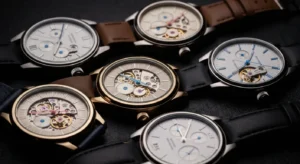
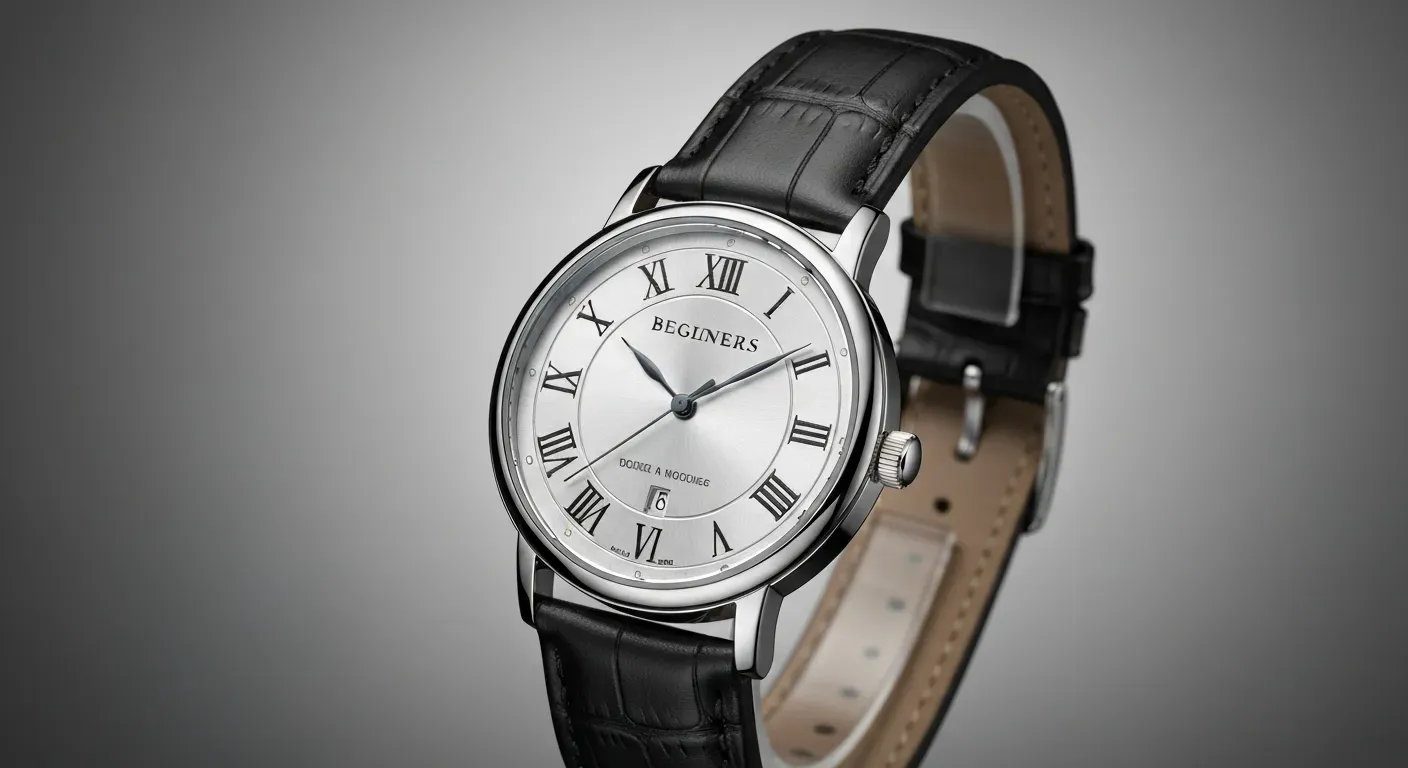
 Stepping into the world of high-end timepieces is a thrilling experience that marks a sophisticated milestone in your personal style journey. However, staring into a display case filled with intricate complications and heritage brands can often feel incredibly overwhelming for a newcomer. You want to ensure you are making a smart investment rather than an impulsive, regretful mistake.
Finding the right timepiece requires carefully balancing aesthetics, deep brand history, and your specific budget without getting lost in complex technical jargon. Whether you seek a recognized status symbol or a subtle mechanical marvel, selecting the ideal beginner luxury watch is about finding a piece that resonates with your identity. It is the vital first step toward building a meaningful collection.
In this comprehensive guide, we will navigate the essential factors and buying advice you must consider before finally making that significant purchase. We will explore the best entry-level models, highlight affordable options, and provide expert tips on choosing a watch that perfectly fits your lifestyle. Let’s ensure your first major acquisition is a decision you will cherish for a lifetime.
Your First Luxury Watch: A Comprehensive Guide
Entering the world of horology connects you to centuries of engineering. A beginner luxury watch represents more than a fashion accessory; it signifies mechanical precision and heritage. You are acquiring a machine powered by springs and gears, often assembled by hand. This guide breaks down the essential steps to selecting a timepiece that offers lasting value and reliable performance.
Understanding the Appeal of a First Luxury Watch
Luxury watches distinguish themselves through superior material quality and movement complexity. While a standard quartz watch uses a battery, a mechanical luxury watch often contains over 100 individual parts working in harmony. Brands like Omega or Rolex maintain archives spanning decades, offering a rich backstory to every model.
Owning one provides a tangible link to this history. The craftsmanship ensures longevity, meaning many luxury watches function for generations with proper servicing. This purchase acts as a personal statement of appreciation for engineering rather than just a tool for telling time.
How to Choose a Luxury Watch: Key Considerations
Before browsing, define your budget. Luxury watches range from $500 to over $50,000. Next, identify the movement type:
Automatic movements: Wind themselves with wrist motion.
Manual movements: Require daily winding by hand.
Quartz movements: Use batteries and offer higher accuracy.
Select materials based on your lifestyle. 316L stainless steel resists corrosion effectively, while Grade 5 titanium offers a lighter weight. Always look for sapphire crystal, which resists scratches significantly better than mineral glass. Finally, research the brand's reputation for resale value and service reliability.
Entry-Level Luxury Watches: Top Recommendations
Certain models serve as industry benchmarks for quality and design. The Omega Seamaster provides professional diving specifications, while the Cartier Santos features a distinct square case and screw design. The Rolex Datejust uses 904L steel and holds value consistently.
These watches balance brand prestige with robust construction, fitting both formal and casual settings.
| Model | Case Material | Water Resistance | Movement Type |
|---|---|---|---|
| Omega Seamaster Diver 300M | Stainless Steel | 300 Meters | Automatic (Co-Axial) |
| Cartier Santos | Steel / Gold | 100 Meters | Automatic |
| Rolex Datejust | Oystersteel | 100 Meters | Automatic (Perpetual) |
| Tudor Black Bay | Stainless Steel | 200 Meters | Automatic |
Affordable Luxury Watches for Beginners
You do not need to spend five figures for Swiss quality. The Tissot Gentleman Powermatic 80 features a silicon balance spring and an impressive 80-hour power reserve. This allows you to leave the watch off for three days without it stopping.
The Hamilton Khaki Field offers military heritage and a reliable H-10 movement. These brands operate under the Swatch Group umbrella, providing sapphire crystals and stainless steel cases at accessible price points. They represent excellent entry points for a beginner luxury watch.
The Value of Pre-Owned Luxury Watches
The secondary market offers access to discontinued models and lower prices. A new watch often depreciates immediately after purchase. Buying pre-owned can save 20% to 30% on brands like TAG Heuer or Breitling.
This market allows you to find specific reference numbers not available in boutiques. However, condition varies. Scratches, service history, and box availability impact the price. Always verify the seller to ensure authenticity.
Essential Watch Buying Advice for the New Luxury Watch Buyer
Research is critical. Know the reference number of the watch you want. Visit an authorized dealer to try the watch on, as a 42mm case fits differently than a 36mm case. Confirm the warranty terms; most luxury brands offer 2 to 5 years of coverage.
Tip: Buy the seller, not just the watch. Trusted platforms and authorized dealers guarantee authenticity.
Avoid impulse buys. Understand the service intervals. Mechanical watches typically require maintenance every 5 to 7 years. Factor this cost into your budget.
Building Your Luxury Watch Collection: Starting Smart
Collecting is a marathon, not a sprint. Start with a versatile “daily driver.” This watch should handle water exposure and office environments. Once you own a core piece, expand into specific categories.
Add a chronograph for timing events or a dress watch for formal occasions. Focus on quality over quantity. A collection of three high-quality pieces often holds more value than ten lower-tier watches. Buy what you enjoy wearing, not just what is popular on social media.
Popular Entry-Level Watch Brands to Explore
Tissot and Hamilton dominate the sub-$1,000 category. Longines offers strong heritage in aviation and diving watches with models like the HydroConquest. Certina focuses on durability with its DS (Double Security) system.
These brands use ETA-based movements, ensuring easy servicing. They provide high specifications, such as 300m water resistance or ceramic bezels, without the premium price of “Holy Trinity” brands.
Defining Your First Timepiece: Style and Function
Your first luxury watch should offer versatility. A steel sports watch with a black or blue dial works seamlessly with suits and jeans. Look for at least 100m water resistance; this protects the watch during swimming or heavy rain.
Consider the strap. A metal bracelet lasts longer than leather. Many modern watches feature quick-change systems, allowing you to swap between a steel bracelet and a rubber strap in seconds, altering the watch's appearance instantly.
Vintage Luxury Watches: A Unique Path
Vintage watches offer history and smaller case sizes, often between 34mm and 38mm. They feature acrylic crystals and tritium dials that develop a patina over time. However, this path requires caution.
Vintage watches lack modern shock resistance and water sealing. Verify the condition of the movement and dial, and ensure the parts are original. While rewarding, vintage watches demand more care and maintenance than modern equivalents.
Navigating Your Luxury Watch Purchase
Selecting a beginner luxury watch requires analysis of specific mechanics and construction materials. You must understand technical specifications before purchasing. This process ensures the timepiece meets performance standards and fits your specific lifestyle requirements.
Understanding Watch Movements and Materials
Manufacturers utilize three primary movement types. Quartz movements use a battery for high precision. Automatic movements wind via wrist motion, while manual-wind calibers require daily winding.
Materials dictate durability. Stainless steel offers corrosion resistance, while Titanium reduces weight by approximately 45% compared to steel. Ceramic provides scratch resistance measuring 1200-1500 Vickers.
| Movement Type | Power Source | Maintenance Interval | Accuracy Variance |
|---|---|---|---|
| Quartz | Battery | 2-3 Years (Battery) | +/- 15 sec/month |
| Automatic | Kinetic Energy | 3-5 Years (Service) | -4/+6 sec/day |
| Manual-Wind | Hand Winding | 3-5 Years (Service) | -4/+6 sec/day |
The Importance of Trying On Your Watch
Specifications on paper differ from physical reality. A 40mm case diameter fits differently depending on the lug-to-lug distance. You must test the weight distribution on your wrist and check that the lugs do not overhang the wrist bone.
Fit Tip: Ensure the bracelet allows one finger of space for comfort during temperature expansion.
Verify the clasp operation and bracelet articulation. Assess readability under different lighting conditions. This physical test confirms the watch provides comfort and utility beyond the spec sheet.
Budgeting for Your First Luxury Watch
Establish a fixed price ceiling before browsing. Entry-level Swiss mechanical watches often range from $1,000 to $3,000. Mid-tier options typically sit between $3,000 and $6,000. Defining this range narrows your search to attainable models.
Factor in long-term ownership costs. Mechanical movements require servicing every 3 to 5 years. These services cost between $200 and $800 depending on the complication. A realistic budget accounts for the initial purchase price plus recurring maintenance fees.
FAQ (Frequently Asked Questions)
Q1: What is the best luxury watch for a beginner?
A1: Personal preference dictates the final choice, but the market favors specific models for their versatility. The Omega Seamaster offers 300-meter water resistance, while the Rolex Datejust provides a classic date complication. The Cartier Santos features a distinctive steel case design. These models suit both casual and formal environments.
Q2: Are entry-level luxury watches worth the investment?
A2: Yes. These timepieces utilize sapphire crystals and 316L stainless steel, resisting scratches and corrosion better than mass-market watches using mineral glass or plated brass. Many mechanical models retain value well, and owners often service these watches for decades rather than replacing them.
Q3: How much should I spend on my first luxury watch?
A3: Establish a specific budget range. Excellent entry-level options exist between $1,000 and $5,000. This price bracket secures automatic movements and Swiss or Japanese craftsmanship. Spending within this range allows for quality acquisition without financial strain.
Q4: Can I find good pre-owned luxury watches?
A4: The secondary market provides access to high-quality inventory. Buyers frequently find watches at 20% to 40% below retail prices. Reputable dealers inspect these items for mechanical accuracy. Always verify the seller provides a warranty and authentication papers.
Q5: What are the most reliable entry-level watch brands?
A5: Brands like Tissot and Hamilton use ETA-based movements known for serviceability. Longines and Seiko offer proprietary technology at accessible price points.
| Brand | Typical Entry Price | Key Technical Feature |
|---|---|---|
| Tissot | $500 – $1,000 | Powermatic 80 movement (80-hour reserve) |
| Hamilton | $600 – $1,200 | Khaki Field mechanical durability |
| Longines | $1,000 – $2,500 | Silicon balance springs for magnetism resistance |
| Seiko | $800 – $1,500 | In-house movements and ISO diver certification |
Conclusion
Investing in a beginner luxury watch is a rewarding experience that perfectly blends individual taste with a deep appreciation for fine engineering. This significant purchase represents more than just a method for telling time; it marks your official entry into a sophisticated world of history and craftsmanship. Whether for daily wear or special occasions, your first timepiece will quickly become a cherished symbol of your personal success.
To ensure you make a wise decision, begin by clearly defining your budget and researching the vast options available to you. It is crucial to try various models on your wrist and compare offerings in both the new and pre-owned markets to find the best value. By taking this methodical approach, you will confidently secure a watch that fits both your finances and your unique aesthetic.
There has never been a better time to start your horological journey and discover the incredible variety within the world of luxury watches. Take that first step today, explore the collections that speak to you, and choose a watch that tells your story. Begin your adventure now and enjoy the timeless satisfaction of owning a true masterpiece.