 Embarking on a weight loss journey often feels like navigating without a map. You know your destination, but the daily challenges of staying motivated and accurately tracking progress can make the path seem overwhelming.
What if you had a personal co-pilot on your wrist, guiding every step, workout, and meal choice to ensure you stay on course? This is where cutting-edge wearable technology makes a transformative difference.
In the modern quest for a healthier lifestyle, fitness trackers have evolved from simple pedometers into indispensable personal health coaches. These sophisticated devices provide the real-time data and insights necessary to turn abstract goals into tangible, achievable results, making them a cornerstone of successful weight management.
As we look toward 2026, this guide will illuminate how you can leverage these powerful tools for your own success. We'll dive into the essential features of top-tier models like the Fitbit Charge 6 and Samsung Galaxy Fit3. You will discover exactly how their advanced sensors and smart feedback empower users to effectively manage their health and conquer their weight loss journeys.
Top 6 Fitness Trackers to Power Your Weight Loss in 2026
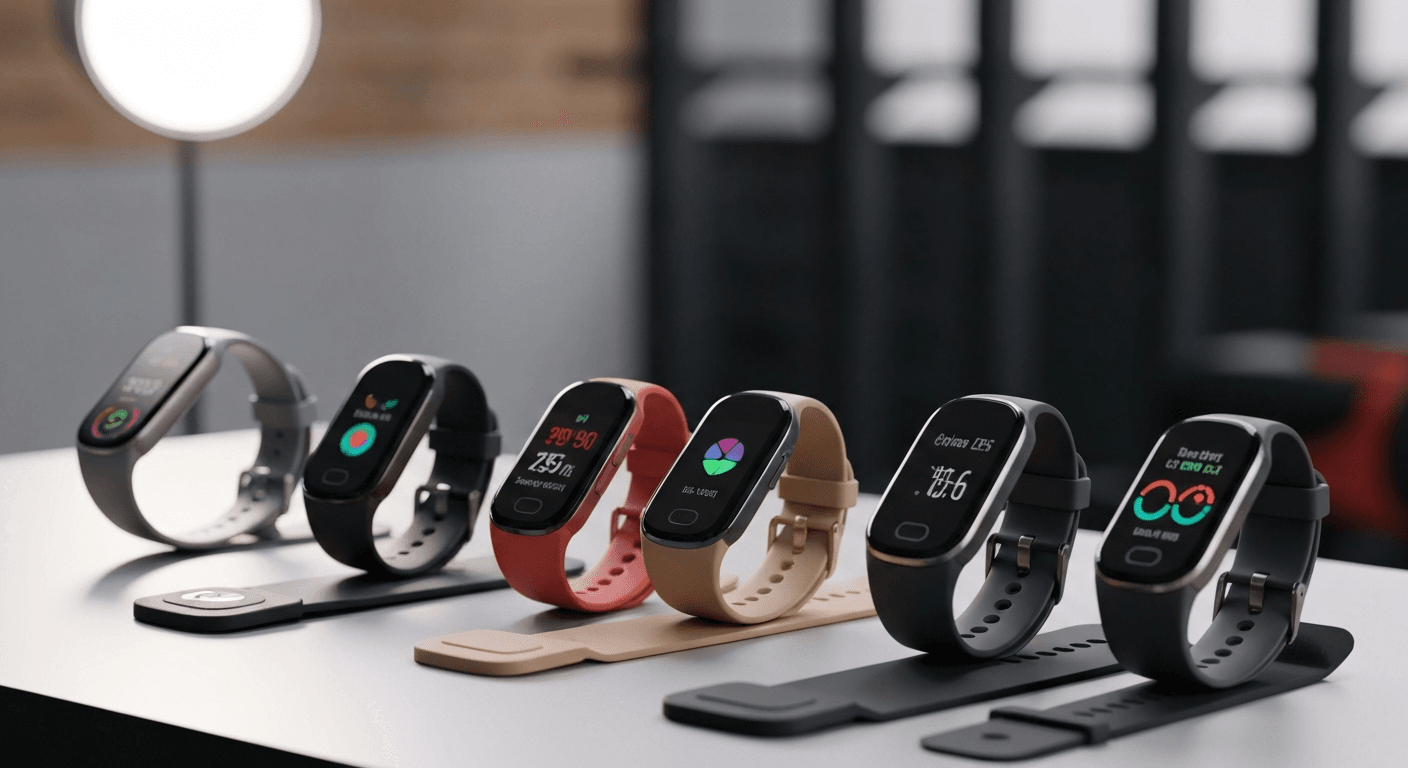
Choosing the right companion for your health journey is crucial. The best fitness trackers of 2026 do more than just count steps; they provide actionable insights into your activity, sleep, and stress levels. By translating raw data into meaningful guidance, these devices can significantly enhance your motivation and strategy for effective weight loss. Here are the top contenders designed to help you achieve your goals.
1. Fitbit Charge 6
The Fitbit Charge 6 excels in empowering users with deeply detailed insights for a data-driven weight loss plan. It’s an ideal choice for those who want to understand the “why” behind their progress. With built-in GPS, it accurately tracks pace and distance for outdoor workouts like running and cycling without needing your phone, ensuring precise calorie burn estimates.
Beyond activity, it offers profound health monitoring. The integrated ECG app monitors for signs of atrial fibrillation, while the EDA sensor helps you understand and manage your body's response to stress—a key factor in weight management. Combined with robust sleep and heart rate tracking, the Charge 6 provides a complete picture of your well-being. Its seamless integration with Google services like Maps and Wallet adds a layer of everyday convenience.
2. Samsung Galaxy Fit3
For those who value both aesthetics and functionality, the Samsung Galaxy Fit3 delivers. Its sleek, stylish design and a large, bright AMOLED display make viewing your metrics a pleasure, whether you're mid-workout or just checking your daily progress. This clarity ensures that crucial health data is always easily readable at a glance.
The Galaxy Fit3 is well-equipped to support your weight loss journey with a comprehensive suite of features. It includes built-in GPS for accurate workout tracking, continuous heart rate monitoring, detailed sleep analysis, and blood oxygen monitoring. This combination of tools helps you make informed decisions about your exercise intensity, recovery, and overall health, keeping you on the right path.
3. Garmin Vivosmart 5
The Garmin Vivosmart 5 emphasizes holistic health monitoring, making it a superb companion for sustainable, long-term weight loss. Its standout feature is the ‘Body Battery' energy tracking, which analyzes heart rate variability, stress, and sleep to estimate your energy reserves. This helps you decide whether to push for a high-intensity workout or opt for active recovery.
This focus on balance is supported by a Pulse Ox sensor for blood oxygen saturation, detailed sleep scores, and all-day stress tracking. By guiding you on energy management, the Vivosmart 5 helps prevent burnout and promotes a healthier relationship with exercise, which is fundamental for achieving and maintaining weight loss goals.
| Feature | Fitbit Charge 6 | Garmin Vivosmart 5 | Xiaomi Smart Band 7 Pro |
|---|---|---|---|
| Built-in GPS | Yes | No (Connected GPS) | Yes |
| Unique Health Metric | EDA Scan (Stress) | Body Battery (Energy) | 110+ Sports Modes |
| Advanced Sensors | ECG, SpO2 | Pulse Ox (SpO2) | SpO2 |
| Best For | In-depth health data | Holistic energy management | Budget-conscious users |
4. Xiaomi Smart Band 7 Pro
For budget-conscious users who don't want to compromise on features, the Xiaomi Smart Band 7 Pro is a standout. It boasts a large, rectangular AMOLED display that rivals more expensive models, providing ample space to view stats and notifications. Crucially, it includes built-in GPS, a premium feature that makes it highly valuable for its price point.
Its motivational power comes from a massive library of over 110 sports modes, catering to nearly any activity you can imagine. This versatility, along with 24/7 heart rate and blood oxygen monitoring, makes it an incredibly effective tool for tracking various workouts and staying engaged with your weight loss efforts without breaking the bank.
5. Amazfit Band 7
The Amazfit Band 7 delivers exceptional value, combining a long list of features with an impressive battery life that can last up to 18 days. This longevity minimizes charging hassles, ensuring your focus remains on your fitness. Its large HD AMOLED display makes interacting with the device and reading your data effortless and clear.
To support diverse fitness preferences, the Amazfit Band 7 includes over 120 sports modes, heart rate monitoring, detailed sleep tracking, and blood oxygen monitoring. This powerful combination provides the necessary tools for comprehensive weight management, making it an excellent all-around choice for those seeking performance and convenience.
6. Fitbit Inspire 3
The Fitbit Inspire 3 is the perfect entry point for beginners embarking on a weight loss journey. It is a simple, lightweight, and comfortable tracker that focuses on the essentials without overwhelming the user. It offers core features like 24/7 heart rate monitoring, automatic activity tracking, sleep tracking, and SpO2 monitoring.
Its true strength lies in its integration with the intuitive Fitbit app. The app provides clear progress analysis, stress management scores, and a supportive community. For anyone new to fitness trackers, the Inspire 3 offers a gentle yet effective introduction to understanding and improving their daily habits for successful weight loss.
Essential Features of Fitness Trackers for Weight Loss in 2026
In 2026, fitness trackers have evolved into indispensable partners for personalized weight loss. Moving beyond simple step counting, these devices offer a holistic view of your health by integrating advanced sensors and AI-driven insights. The most effective trackers are those with features that provide accurate, actionable data, ensuring every workout and night of sleep meaningfully contributes to your health goals.
Accurate Activity and Workout Tracking
Accurate workout tracking is crucial for understanding calorie expenditure and progress. Features like precise step counting, distance covered, and active minutes provide a clear picture of daily exertion. By 2026, advanced fitness trackers feature refined automatic workout detection, seamlessly logging everything from a brisk walk to a high-intensity session without manual input, ensuring every ounce of effort is counted.
| Tracking Feature | Primary Function | Impact on Weight Loss |
|---|---|---|
| Step & Distance Tracking | Measures overall daily movement. | Establishes a baseline for daily activity goals. |
| Active Zone Minutes | Monitors time spent in fat-burn or cardio zones. | Guides workout intensity for maximum efficiency. |
| Auto-Workout Recognition | Automatically logs specific exercises. | Ensures accurate calorie burn data without manual entry. |
Comprehensive Sleep Tracking
Quality sleep is fundamental for recovery and weight management. Advanced sleep tracking features analyze sleep stages (deep, light, REM), duration, and overall quality. These insights help you understand how rest impacts hormonal balance—particularly cortisol levels, which can influence fat storage. Improving your sleep hygiene based on this data directly supports your body's ability to lose weight more effectively.
Continuous Heart Rate Monitoring
Continuous heart rate monitoring helps optimize workout intensity and track calorie burn more precisely. This data is vital for effective weight loss strategies. By monitoring your heart rate in real-time, you can ensure you are training in the optimal “fat-burning” zone. Tracking your resting heart rate over time also serves as a key indicator of improving cardiovascular fitness.
Built-in GPS for Outdoor Activities
For users who enjoy running or cycling, built-in GPS ensures accurate tracking of routes, distance, and pace without needing a smartphone. This untethered freedom enhances the utility of fitness trackers, allowing you to focus completely on your performance. It provides the reliable, independent data capture necessary to measure progress and stay motivated on your outdoor adventures.
Long Battery Life for Uninterrupted Data
Extended battery life ensures your fitness tracker can continuously monitor your health without frequent interruptions. A device that requires daily charging can create gaps in your data, undermining the consistency needed for a successful weight loss plan. A long-lasting battery provides a seamless experience, keeping you connected to your health metrics and focused on your goals.
Maximizing Your Fitness Tracker for Weight Loss Success in 2026
As we move into 2026, fitness trackers have evolved into powerful personal health companions. To truly succeed, it's essential to move beyond simple step counting. By strategically using your device's full capabilities, you can transform it from a passive monitor into an active coach, guiding you toward sustainable results.
Setting Realistic Health Goals
The foundation of any successful weight loss plan is clear, achievable targets. Use your fitness tracker's insights to define specific goals. Instead of a vague “lose weight” resolution, set measurable objectives like achieving 10,000 daily steps, burning a set number of calories, or getting over seven hours of quality sleep.
| Goal Category | Tracker Metric | Example 2026 Target |
|---|---|---|
| Daily Activity | Steps & Active Zone Mins | 8,000 steps & 25 active mins |
| Calorie Balance | Calories Burned vs. Intake | Maintain a 300-calorie deficit |
| Sleep Quality | Sleep Score & Duration | Achieve 7.5 hours with a 90+ score |
| Heart Health | Resting Heart Rate (RHR) | Lower RHR by 5 bpm over 3 months |
Leveraging Data for Informed Decisions
Your wearable is constantly collecting valuable data. Regularly review your heart rate trends, daily activity levels, and sleep patterns. Noticing a high resting heart rate or poor sleep quality might indicate stress or overtraining. Use these insights to make informed adjustments to your diet, exercise intensity, and recovery schedule.
Staying Motivated with Progress Tracking
Motivation is key to long-term success. Modern fitness trackers excel at this through gamification and visual feedback. Utilize features like progress charts to see your journey unfold, earn achievement badges for hitting milestones, and set activity reminders to combat sedentary behavior. Visualizing how far you've come can significantly boost your commitment.
Integrating Trackers with Other Health Apps
Amplify your device’s power by creating a connected health ecosystem. Sync your fitness tracker with nutrition apps to automatically log calories burned against your food intake. Connecting to mindfulness or workout apps can further centralize your data. This integration provides a comprehensive overview of your well-being, making it easier to manage your weight loss holistically.
FAQ (Frequently Asked Questions)
Q1: How do fitness trackers help with weight loss?
A1: Fitness trackers provide real-time data on activity, sleep, and heart rate. This helps you understand calorie expenditure, optimize workouts, and identify areas for improvement in your daily habits.
Q2: Are fitness trackers accurate for calorie tracking?
A2: While not perfectly precise, modern fitness trackers offer good estimates. They use heart rate, activity intensity, and personal metrics to calculate calorie burn, which is generally reliable for weight management.
Q3: What is the most important feature for weight loss on a fitness tracker?
A3: Accurate activity tracking, including steps and active minutes, is crucial. Continuous heart rate monitoring and sleep tracking also significantly contribute to understanding your body's needs for weight loss.
Q4: Can fitness trackers help with motivation?
A4: Yes, they offer motivation through progress visualization, achievement badges, and activity reminders. Seeing your progress and hitting milestones can keep you engaged and committed to your goals.
Conclusion
In 2026, fitness trackers are more than just gadgets; they are indispensable partners for conquering weight loss challenges. By providing personalized data and constant motivation, these powerful devices empower you to turn abstract goals into tangible, daily metrics, making success more achievable than ever before.
To begin, select a fitness tracker that aligns with your lifestyle and goals. Leverage its advanced features to consistently monitor your activity, sleep, and nutrition. Use this valuable data to make informed decisions and optimize your path toward a healthier you.
Don't wait to take control of your well-being. Your empowered weight loss journey is just one step away. Start today by choosing the right fitness tracker to guide you toward a healthier, more confident future.