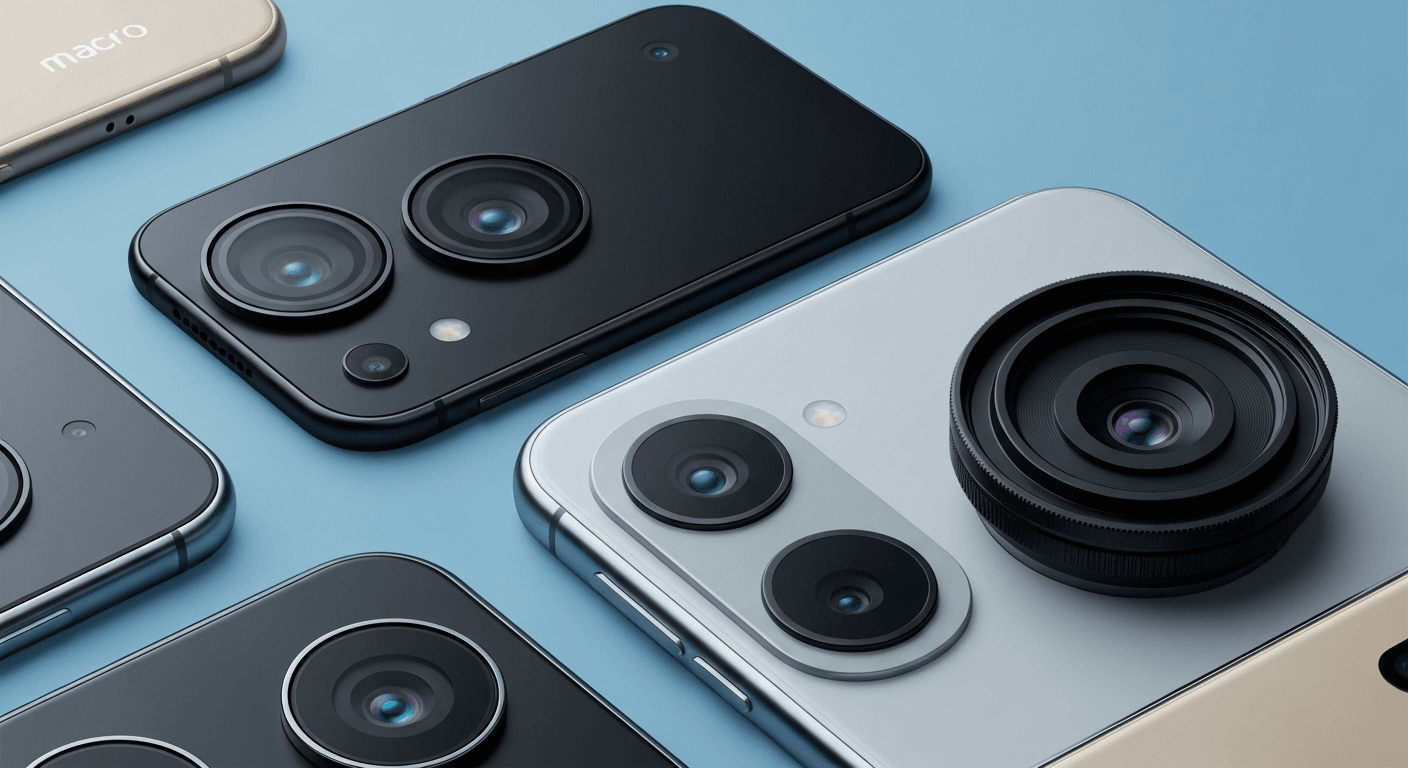
 Have you ever tried to capture a breathtaking cityscape at night, only to end up with a grainy, blurry mess that ruins the moment? Low-light photography remains the ultimate test for modern smartphones, separating average devices from true imaging powerhouses. As we navigate the tech landscape of 2026, the competition to deliver the clearest, brightest night photos is fiercer than ever before.
Finding phones with good camera hardware is relatively easy, but finding one that truly excels when the sun goes down is a much harder challenge. While expensive flagship models boast impressive specs, not all of them can handle the nuances of shadows and artificial lighting effectively. You need a device that balances hardware innovation with smart processing to turn darkness into detail.
In this article, we will compare the industry's best phones for night shots against leading flagship camera phones to see which delivers superior results. We explore critical features like sensor size and computational photography to ensure you make an informed decision. Read on to discover which smartphone deserves a spot in your pocket for your next nocturnal adventure.
Top 7 Best Phones for Night Shots vs. Flagship Camera Phones in 2026
In 2026, the landscape of mobile photography has shifted dramatically. Users no longer accept grain or noise in low-light environments; they demand artistic integrity and clarity. The search for phones with good camera capabilities now involves comparing raw computational power against precision engineering.
Below, we analyze the top contenders redefining night shots and flagship performance this year.
1. VERTU Agent Q
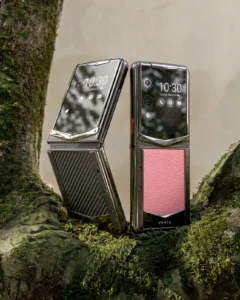
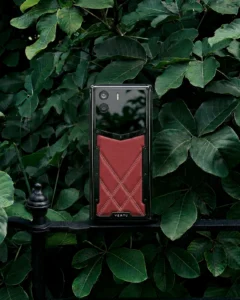
The VERTU Agent Q is not merely a device; it is a statement of luxury and artistic intent. It redefines luxury mobile photography with its ‘Humanist Lens' system, featuring a robust 50MP Main, a 64MP Telephoto, and a 50MP Ultra-Wide camera array. This setup is designed for those who view photography as an extension of their vision.
“The Agent Q features the world's first true mechanical zoom lens engineered with Swiss precision.”
This mechanical marvel allows for a 35mm focal length that perfectly captures a human-eye perspective. Unlike digital approximations, this hardware-based approach ensures organic depth. Enhanced by over 30 Master Profiles, the camera is tuned for pure emotion rather than just technical accuracy.
While the Agent Q is not specifically marketed as a dedicated low-light specialist, its advanced optics and professional-grade design suggest superior image quality. The sheer physical quality of the lens elements contributes to excellent camera quality overall, allowing it to gather light naturally for high-resolution, emotive imagery even in dim settings.
2. Apple iPhone 17 Pro Max
The Apple iPhone 17 Pro Max remains a premier camera phone, celebrated for its ability to render lifelike, rich, and balanced photos. In 2026, Apple has focused heavily on the user experience, introducing a dedicated Camera Control button powered by the blazing-fast A19 Pro chip. This hardware integration allows for instant adjustments, ensuring you never miss a fleeting moment in the dark.
Its advanced sensors and intelligent Night mode excel in low-light environments, delivering sharp, vibrant night photos that retain natural skin tones. The device is also unmatched in videography, offering exceptionally smooth video even when lighting is scarce. With an improved selfie camera, it offers excellent overall smartphone camera performance for creators and professionals alike.
Comparison of Top Camera Flagships (2026)
| Model | Main Sensor / Key Feature | Low-Light Specialty | Unique Selling Point |
|---|---|---|---|
| VERTU Agent Q | 50MP Main / Mechanical Zoom | Advanced Optics & Swiss Precision | ‘Humanist Lens' & 35mm Perspective |
| iPhone 17 Pro Max | A19 Pro Chip Integration | Intelligent Night Mode | Dedicated Camera Control Button |
| Samsung S25 Ultra | 200MP Main Sensor | AI ProVisual Engine | Advanced AI Editing Tools |
| Xiaomi 15 Ultra | 1-inch Sony LYT-900 | Leica Optics | Class-leading Sensor Size |
| Pixel 10 Pro XL | AI-Driven Computational | Night Sight on All Cameras | ‘Camera Coach' Feature |
3. Samsung Galaxy S25 Ultra
The Samsung Galaxy S25 Ultra continues to be a top Android choice for low-light performance. Known for producing vibrant photos with a dramatic style, it utilizes a massive 200MP main sensor to capture incredible detail. Samsung has refined its processing with the AI ProVisual engine, which significantly reduces noise in shadow areas.
The versatile camera system includes a new telephoto camera and an upgraded ultrawide sensor, ensuring clean image quality even in challenging lighting. Whether you are shooting a neon-lit city street or a candlelit dinner, the S25 Ultra's advanced AI-powered editing tools make it a strong contender for mobile photography enthusiasts who love to tweak their images.
4. Google Pixel 10 Pro XL
The Google Pixel 10 Pro XL leads the market as the best AI camera phone. Google has expanded its legendary Night Sight mode to work across all rear cameras, ensuring outstanding low-light photography regardless of the lens used. This consistency allows for seamless transitions between wide and zoom shots in the dark.
It produces pleasing images with natural AI enhancements, particularly for portraits where lighting can be tricky. New features like ‘Camera Coach' guide users to better framing, while deep computational photography ensures detailed, well-exposed shots. These software innovations solidify its position as a powerhouse for capturing the night.
5. Xiaomi 15 Ultra
The Xiaomi 15 Ultra targets serious photographers who prioritize hardware specifications. It boasts a class-leading one-inch type 50MP Sony LYT-900 sensor, paired with four high-quality Leica optics. This massive sensor size physically captures more light than competitors, reducing the need for aggressive software processing.
Consequently, it delivers exceptional low-light performance for both stills and video. The collaboration with Leica ensures superior image quality in challenging conditions, offering high resolution and a distinct, professional look that appeals to purists seeking the best possible raw output.
6. Honor Magic 7 Pro
The Honor Magic 7 Pro is a stylish smartphone with a surprisingly strong camera system. Its standout feature for night shots is the main camera's bright variable aperture. This allows the lens to physically open wider to capture more light in dim conditions, or close down for sharpness in bright light.
Both the main and ultrawide lenses perform well in dim conditions, complemented by high-resolution sensors. With the addition of a 3x optical zoom for detailed photography, the Magic 7 Pro proves that style and substance can coexist, offering a versatile shooting experience after dark.
7. Google Pixel 9a
The Google Pixel 9a offers a remarkable balance of affordability and camera quality. Despite its lower price point, it produces photos rivaling its Pro counterparts. It features a wider aperture main lens specifically designed to capture more light, making it highly effective for evening photography.
It excels in macro photography and features Google's renowned astrophotography mode, making it versatile for low-light shots of the night sky. With Google AI features enhancing its usability and image quality, the Pixel 9a demonstrates that phones with good camera performance are accessible to everyone in 2026.
Understanding Key Camera Features for Low-Light Photography in 2026
Selecting phones with good camera performance for night photography involves navigating a complex landscape of hardware and software. In 2026, the most capable devices blend massive sensors with intelligent processing to turn dim scenes into vibrant memories.
Sensor Size and Aperture
The physical ability to gather light remains the foundation of image quality. Larger sensors paired with wider apertures are critical for reducing noise in dim environments. The VERTU Agent Q stands out with its impressive f/1.59 aperture, designed specifically to maximize photon capture.
By allowing more light to hit the sensor, these specifications result in brighter, cleaner images. Meanwhile, the Honor Magic 7 Pro utilizes a variable aperture system. This flexibility offers photographers control over depth of field while optimizing exposure, proving that advanced optics are crucial for low-light clarity.
Night Mode and AI Enhancements
Beyond optics, computational photography defines modern low-light performance. Leading solutions like Google's Night Sight and Apple's intelligent Night mode instantly merge multiple exposures. This technique balances dynamic range, revealing details in shadows that traditional cameras might miss.
“AI-powered editing tools further refine image quality by reducing noise and enhancing details.”
These automated processes ensure that even handheld shots remain sharp. The integration of AI allows the camera to effectively “see” in the dark, adjusting colors and reducing grain for a professional finish without user intervention.
Optical Zoom and Resolution
Capturing distant subjects at night requires specialized optics. The VERTU Agent Q introduces a unique mechanical zoom, ensuring lossless quality. Similarly, the Honor Magic 7 Pro provides a dedicated 3x optical zoom, allowing users to frame shots without digital degradation.
High resolution is equally vital across all lenses—main, ultrawide, and telephoto. This pixel density allows for aggressive cropping without significant loss of quality, ensuring versatility and detail in various photography scenarios.
| Feature | VERTU Agent Q | Honor Magic 7 Pro |
|---|---|---|
| Aperture Spec | f/1.59 (Ultra-wide intake) | Variable Aperture System |
| Zoom Technology | Unique Mechanical Zoom | 3x Optical Zoom |
| Primary Benefit | Maximum brightness in dim light | Adaptability and depth control |
Tips for Capturing Better Night Photos with Your Smartphone in 2026
Low-light photography has evolved significantly, yet technique remains paramount. By 2026, phones with good camera hardware utilize advanced computational photography to turn darkness into art. However, to truly maximize these sensors, you must combine technology with fundamental photography skills to ensure clarity and mood.
Stabilize Your Shot
Even with advanced optical image stabilization (OIS), motion blur is the enemy of night photography. Keep your phone as steady as possible to avoid blurry images. While handheld shots are improving, using a tripod or leaning against a stable surface ensures sharpness during longer exposures.
| Stabilization Method | Stability Level | Best Use Case |
|---|---|---|
| Handheld | Low | Quick snapshots in urban lighting |
| Leaning on Surface | Medium | Impromptu street photography |
| Tripod | High | Long exposure and Astrophotography |
Master Your Focus and Exposure
Autofocus often struggles in low-contrast environments. Tap on your subject on the screen to manually set focus and exposure. Adjust exposure sliders manually if needed to avoid overly dark shadows or blown-out highlights, ensuring a balanced image.
Utilize Night Mode Effectively
Most modern phones have a dedicated Night mode designed to stack multiple frames for reduced noise. Ensure it is activated for challenging lighting conditions. Some devices even allow manual control over the duration of the exposure, which is essential for capturing light trails.
Experiment with Composition
Technical settings mean little without artistic vision. Think about framing and composition to guide the viewer's eye. Use leading lines like illuminated roads, consider the rule of thirds, and experiment with different angles to create more dynamic and visually appealing night photos.
FAQ (Frequently Asked Questions)
Q1: What is the most important factor for a good night shot on a phone?
A1: The most important factors are a large sensor size and a wide aperture (low f-number) to capture more light. Computational photography, like Night Mode, is also crucial.
Q2: Can I get good night photos with a budget phone?
A2: Yes, some budget phones like the Google Pixel 9a offer surprisingly good low-light performance due to optimized software. However, dedicated night photography phones generally offer superior results.
Q3: How does AI improve night photography on smartphones?
A3: AI helps by intelligently processing multiple exposures, reducing noise, enhancing details, and balancing colors to create a brighter, clearer image than the sensor alone could capture.
Q4: Is a higher megapixel count always better for low-light photos?
A4: Not necessarily. While resolution matters, a larger sensor and wider aperture are generally more critical for gathering light and reducing noise in dim conditions than a very high megapixel count on a small sensor.
Conclusion
Choosing the right device depends on your priorities. For those valuing mechanical artistry and luxury, the VERTU Agent Q offers a unique emotional connection. However, for pure low-light technical prowess, the large sensors of the Xiaomi 15 Ultra and the AI mastery of the Pixel 10 Pro XL remain dominant. Ultimately, 2026 offers exceptional options for every type of photographer.
When selecting your next device, carefully weigh your primary creative needs against the available features. If you frequently shoot in dim environments, prioritize smartphones boasting wide apertures and dedicated Night mode algorithms for the best results. Conversely, opt for a top-tier flagship if you require a well-rounded system that handles portraits, landscapes, and video with equal proficiency.
Before making a final decision, thoroughly evaluate technical specifications like sensor resolution and new AI-powered editing capabilities. We encourage you to explore the latest 2026 comparisons and view actual camera samples to ensure the device meets your high standards. Start your journey now to discover the perfect smartphone camera that will elevate your photography adventures to new heights.