Do you hit the alarm feeling more exhausted than when you went to bed, even after logging your target hours? It’s a common frustration in our fast-paced world, suggesting that simply being in bed isn't enough. True rejuvenation comes from understanding the quality of your rest, not just the quantity.
This is where the question, Are You Really Resting? How to Analyze Your Sleep Quality Like a Pro, becomes critical. This guide will move you beyond the myth of just needing eight hours and delve into the science of how to truly assess and improve your sleep. Get ready to unlock peak performance and well-being by becoming an expert in your own rest.
The Best Sleep Trackers of 2026: A Pro's Guide
Understanding your sleep quality is the first step toward improving it. Modern technology offers incredible tools to decode what happens after you close your eyes. Here’s a look at the cutting-edge devices available in 2026 that can help you analyze your sleep.
VERTU AI Meta Ring: Luxury Meets Advanced Sleep Monitoring
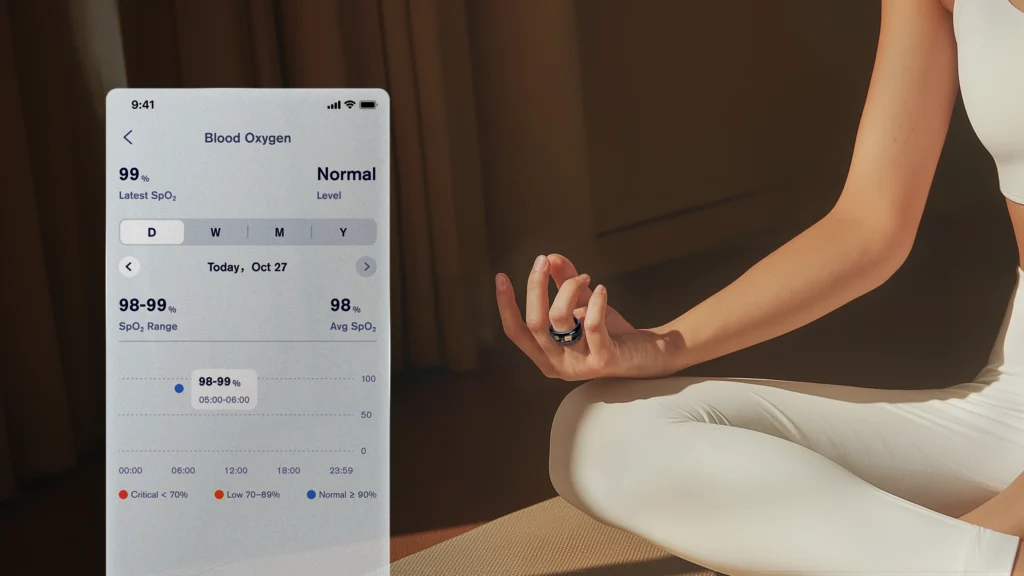
The VERTU AI Meta Ring combines luxury design with powerful 24/7 health monitoring. It excels at decoding your sleep cycles, breaking them down into deep, light, and REM sleep. This detailed analysis helps you optimize rest for peak daily performance and mental clarity. A unique feature is the personal AI health concierge, which offers data-driven guidance to support your well-being.
Key Sensor: High-precision PPG sensor
Battery Life: 10 days
Durability: Crystal glass and resin construction with 5ATM water resistance
Cost: No subscription fee required
Garmin vívosmart 3: Essential Sleep Stage Tracking
For those seeking a straightforward and effective tool, the Garmin vívosmart 3 is an excellent choice. It uses a combination of actigraphy (motion sensing) and an optical heart rate sensor to estimate your sleep stages, including Wake, Light, Deep, and REM. Its advanced sleep monitoring provides clear insights into your rest quality, empowering you to make targeted improvements to your sleep hygiene.
Oura Ring 4: Comprehensive Health and Sleep Metrics
The Oura Ring 4 is widely recognized as a top-tier sleep tracker, offering a comprehensive suite of health and sleep metrics. Its user-friendly, comfortable design encourages consistent wear, which is essential for accurate data collection over time. For anyone serious about in-depth sleep analysis, the Oura Ring is a key contender.
WHOOP 5.0: In-Depth Sleep Analysis for Performance
The WHOOP 5.0 wristband is designed for those who want to optimize their physical and mental performance. Its ‘Any-Wear' technology delivers daily Sleep, Recovery, and Strain scores, providing personalized health suggestions based on your unique physiology. After an initial 30-day calibration period, WHOOP offers continuous, in-depth sleep monitoring to help you train, rest, and recover more effectively.
Bía Smart Sleep Mask: Enhanced Sleep Experience
The Bía Smart Sleep Mask goes beyond simple tracking to actively improve your sleep environment. It provides 100% blackout capabilities while tracking sleep stages and brain activity. The mask enhances your sleep with relaxing soundscapes and a gentle sunrise alarm. Its standout Sleep Autopilot feature acts as a sleep journal, offering personalized habit suggestions to guide your sleep analysis.
Muse S Athena: Brainwave-Level Sleep Insights
For the ultimate data enthusiast, the Muse S Smart Headband offers advanced, brainwave-level sleep analysis. Using fNIRS and EEG sensors, it tracks brain activity alongside heart rate, breath, and body movement. The device provides real-time health metrics and uses guided meditations and soundscapes to actively improve your sleep quality, offering some of the deepest sleep monitoring available.
How to Analyze Your Sleep Data Like a Pro
Collecting data is just the first step. The real power lies in interpreting it to make meaningful changes. Understanding your sleep tracker's metrics is crucial for improving your sleep hygiene and overall health.
Understanding Key Metrics: Beyond Hours Slept
True sleep quality extends beyond mere hours. To analyze your sleep like a pro, focus on these core metrics:
Sleep Stages: Pay close attention to the time spent in deep sleep (for physical restoration) and REM sleep (for cognitive function and memory). Imbalances can explain why you feel groggy.
Sleep Efficiency: This is the percentage of time you were actually asleep while in bed. A high efficiency score (above 85%) indicates solid, uninterrupted rest.
Consistency: A consistent sleep and wake time, even on weekends, helps regulate your body's internal clock, leading to better-quality rest.
Latency: This measures how long it takes you to fall asleep. A long latency might indicate stress or a poor evening routine.
This data helps identify issues like chronic sleep deprivation and informs strategies to enhance your rest.
The Critical Link Between Sleep and Mental Health
Chronic sleep deprivation and insomnia have a significant impact on mental health. Poor rest can heighten feelings of anxiety, contribute to depression, and impair cognitive function. Prioritizing quality sleep is a foundational pillar of mental well-being. If your data consistently shows poor patterns, it is vital to seek professional advice to support your long-term health.
Choosing the Right Sleep Tracker for Your Needs in 2026
Selecting the right sleep tracker involves evaluating specific features to ensure you get an accurate analysis of your rest. Answering the question, “Are you really resting?” starts with choosing a device that matches your lifestyle and goals.
Key Considerations for Sleep Trackers
When choosing a device, consider the following:
Accuracy: Look for trackers that can accurately distinguish between sleep stages with at least 85% accuracy compared to clinical standards.
Battery Life: A battery life exceeding 7 days reduces the hassle of frequent charging and ensures continuous data collection.
Comfort: The device must be comfortable enough for uninterrupted overnight wear. Opt for lightweight designs with hypoallergenic materials.
App & Analysis: The companion app should provide clear data visualization, trend analysis, and actionable insights, not just raw numbers.
| Feature | Basic Tracker | Advanced Monitor |
|---|---|---|
| Sleep Stage Accuracy | 70-80% | 85%+ |
| Battery Life | 3-5 days | 7+ days |
| Comfort | Variable | High |
| App Integration | Standard | Advanced |
| Sleep Analysis | Basic | Detailed |
The Role of Sleep Experts in Data Interpretation
While sleep trackers offer valuable data, an expert can help you understand the context behind the numbers. Sleep specialists can differentiate normal variations from potential issues like insomnia and guide you in implementing effective sleep hygiene strategies based on your personal data. This personalized approach transforms raw numbers into actionable insights for truly improved rest.
FAQ (Frequently Asked Questions)
Q1: How accurate are consumer sleep trackers?
A1: Consumer trackers provide a good indication of sleep patterns and stages, with improving accuracy. They are not a substitute for clinical sleep studies but offer reliable analysis for most users.
Q2: What is the difference between sleep quality and sleep quantity?
A2: Sleep quantity is the total hours slept. Sleep quality measures how well you rested, including uninterrupted sleep and time spent in restorative stages.
Q3: Can sleep trackers diagnose sleep disorders like insomnia?
A3: No, trackers cannot diagnose medical conditions. They can highlight patterns like poor sleep efficiency or frequent awakenings that may warrant professional consultation.
Q4: What are the most important sleep stages to monitor?
A4: REM sleep is vital for cognitive functions and emotional regulation. Deep sleep is crucial for physical restoration and energy. A healthy balance of both is key.
Q5: How can I improve my sleep hygiene using sleep data?
A5: Analyze your data to connect habits with rest quality. This allows for targeted adjustments to your routine, like avoiding late caffeine or screen time, for better sleep.
Conclusion
In 2026, you no longer have to guess if you are truly resting. With sophisticated tools, you can analyze your sleep quality like a pro and make deep, restorative sleep an achievable goal.
To begin, honestly assess your current habits and consider investing in a reliable sleep tracker that fits your needs. Dedicate yourself to analyzing the data it provides to pinpoint areas for improvement in your sleep hygiene. This informed approach is the key to unlocking better rest.
Don't let another night of subpar sleep pass you by. Take proactive control of your rest today and embark on your journey to a healthier, more energized you.