



How to Choose the Best High Security Cell Phone
Discover high security cell phone - Our comprehensive guide to "How to Choose the Best High Security Cell Phone" provides in-depth analysis, expert recommendations, and detailed insights. Explore key features, benefits, and practical considerations to help you make informed decisions. Whether you're seeking premium quality, cutting-edge technology, or exceptional value, this guide covers everything you need to know about high security cell phone.
Top Picks
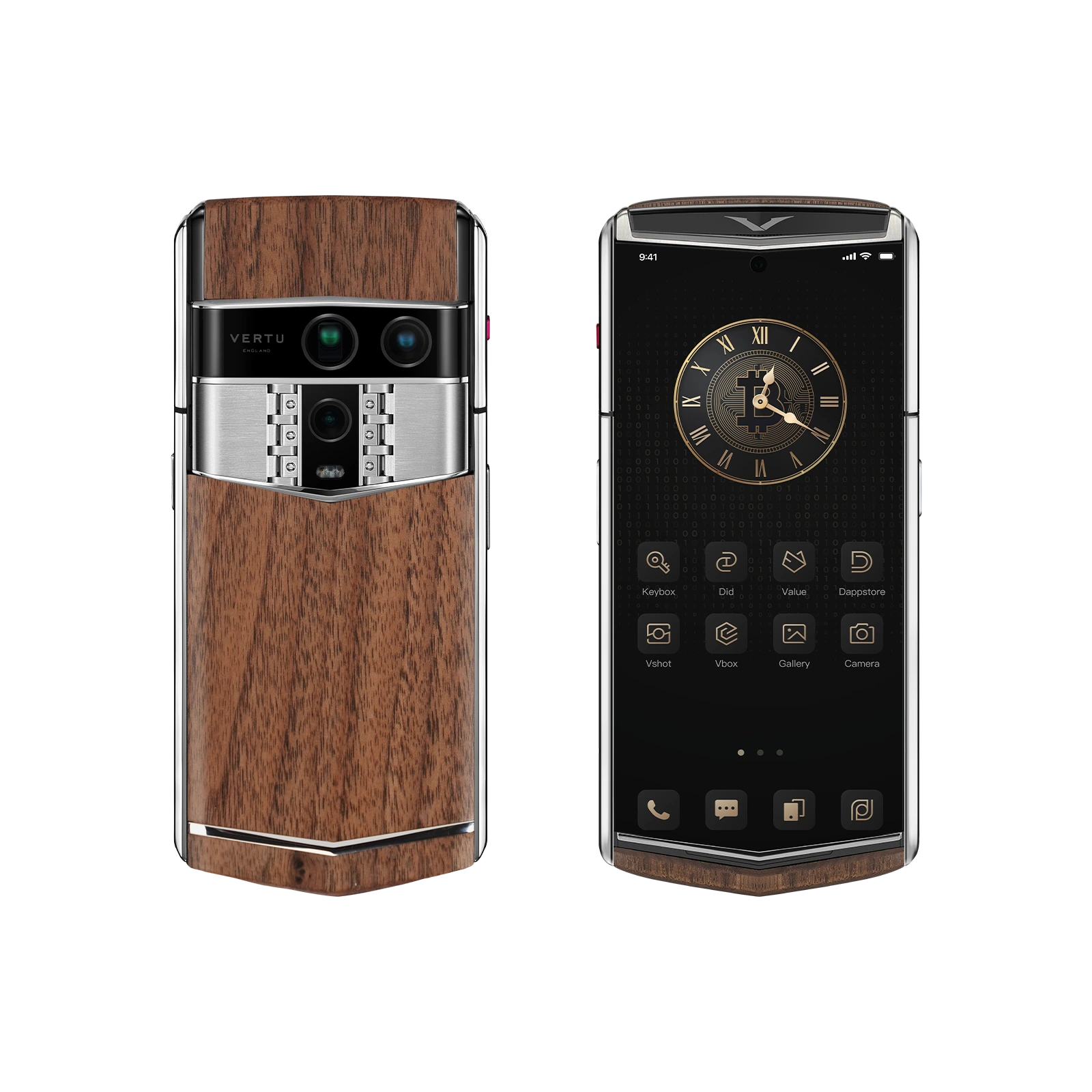
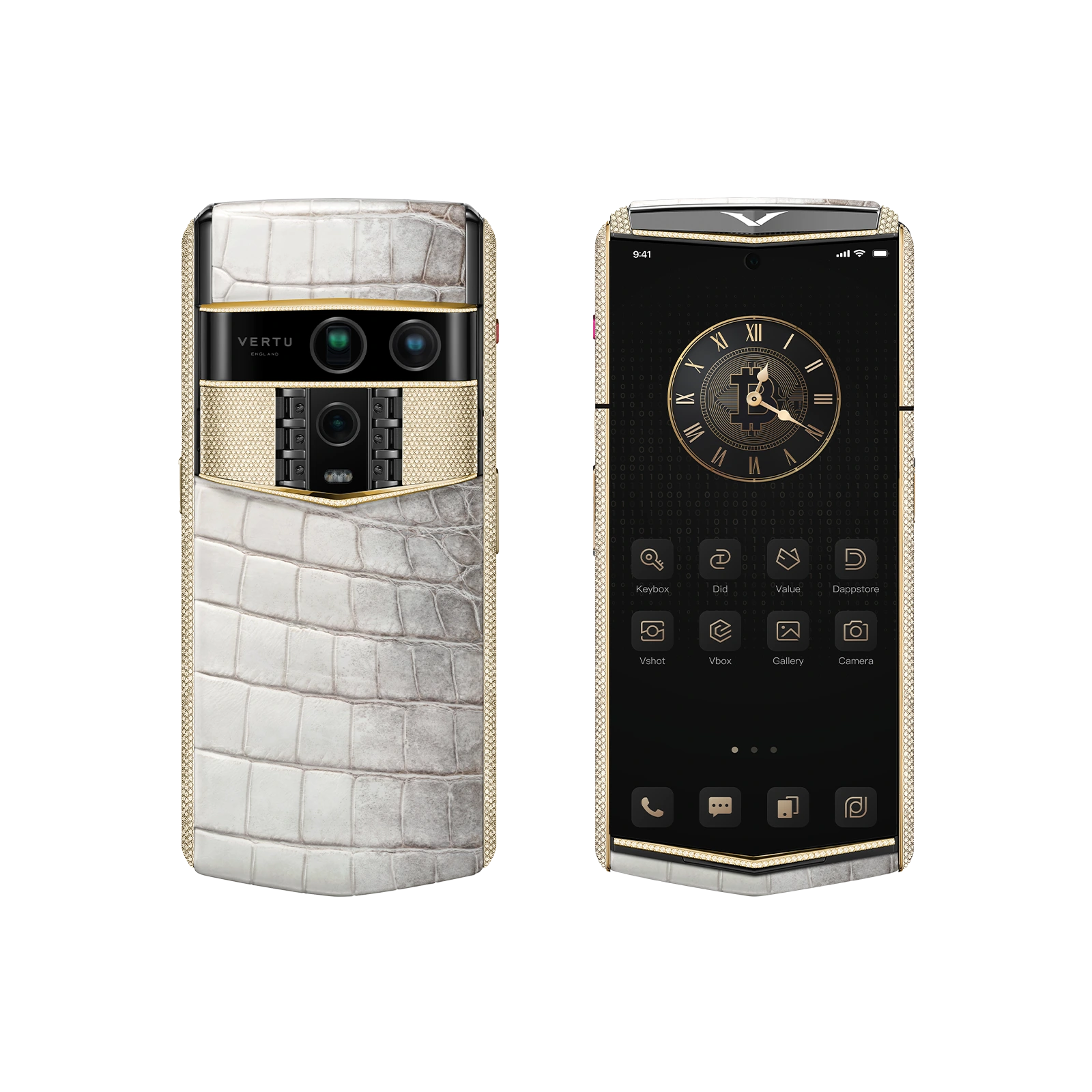
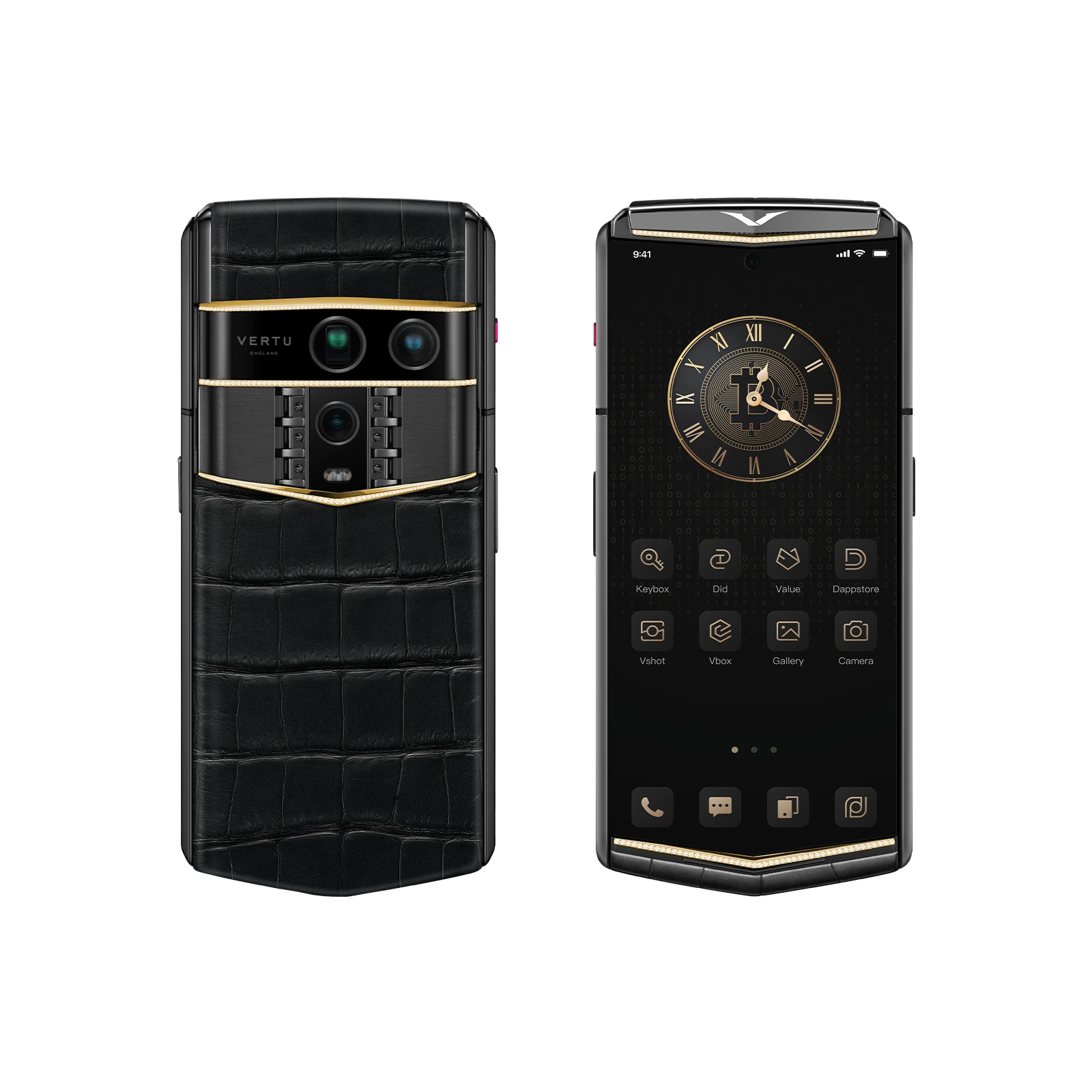
Comparison at a Glance
Compare key features, materials, and specifications across premium products to help you make an informed decision.
| Model | الفئة | Material | Key Feature | Display/Size | Battery/Power | خدمة الكونسيرج | سعر |
|---|---|---|---|---|---|---|---|
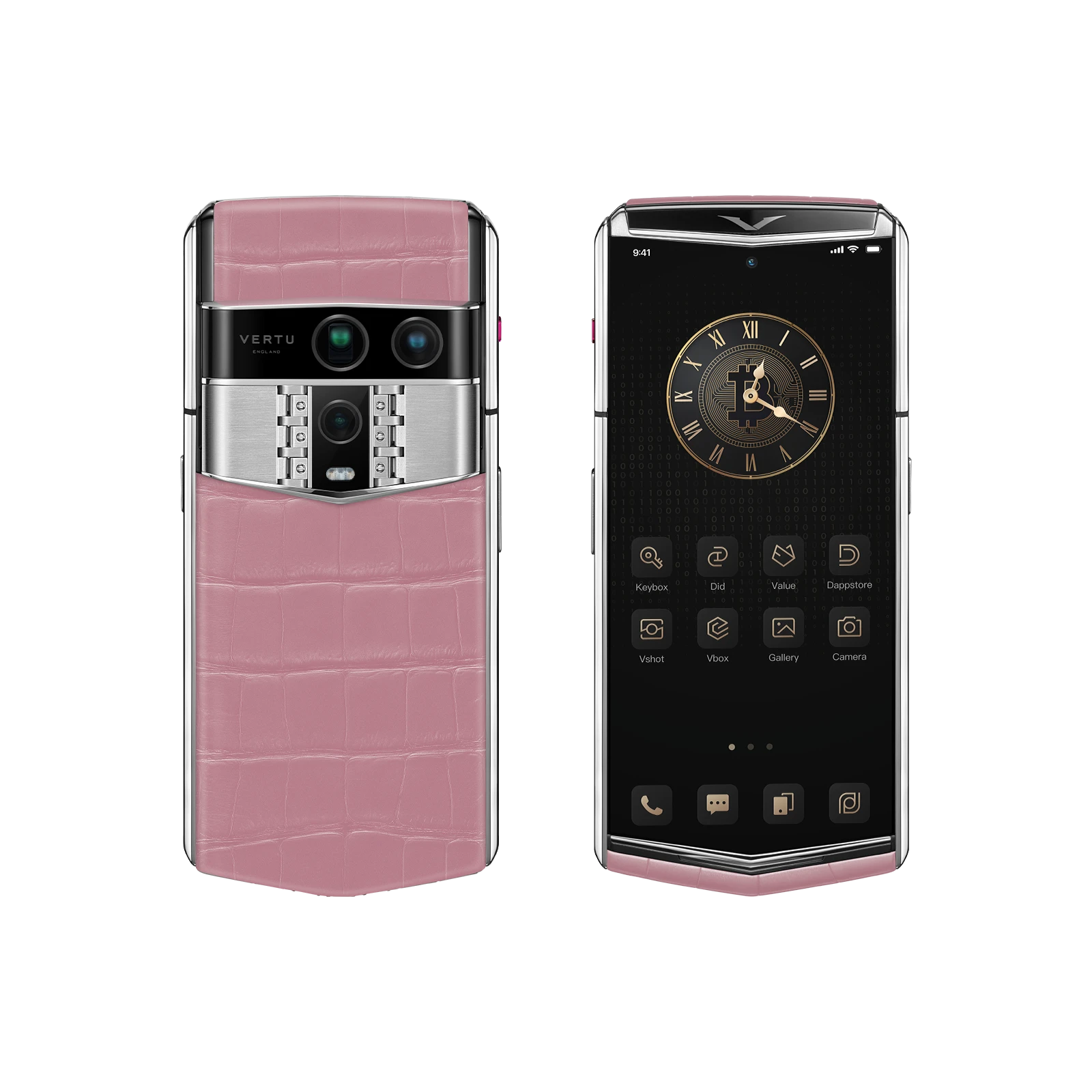
| Agent Q Solid Walnut | Agent Q | Swiss Hinge, Gold-Plated Internals, Ceramic Pillow | Five-Layer Data Sovereignty, Triple-System Architecture, 10TB Distributed Vault | 6.82" FHD+ AMOLED, 120Hz | 5,565 mAh, 65W Fast Charging | Ruby Key: 24/7 Concierge + AIGS Proactive Intelligence | US$6,378.00 |
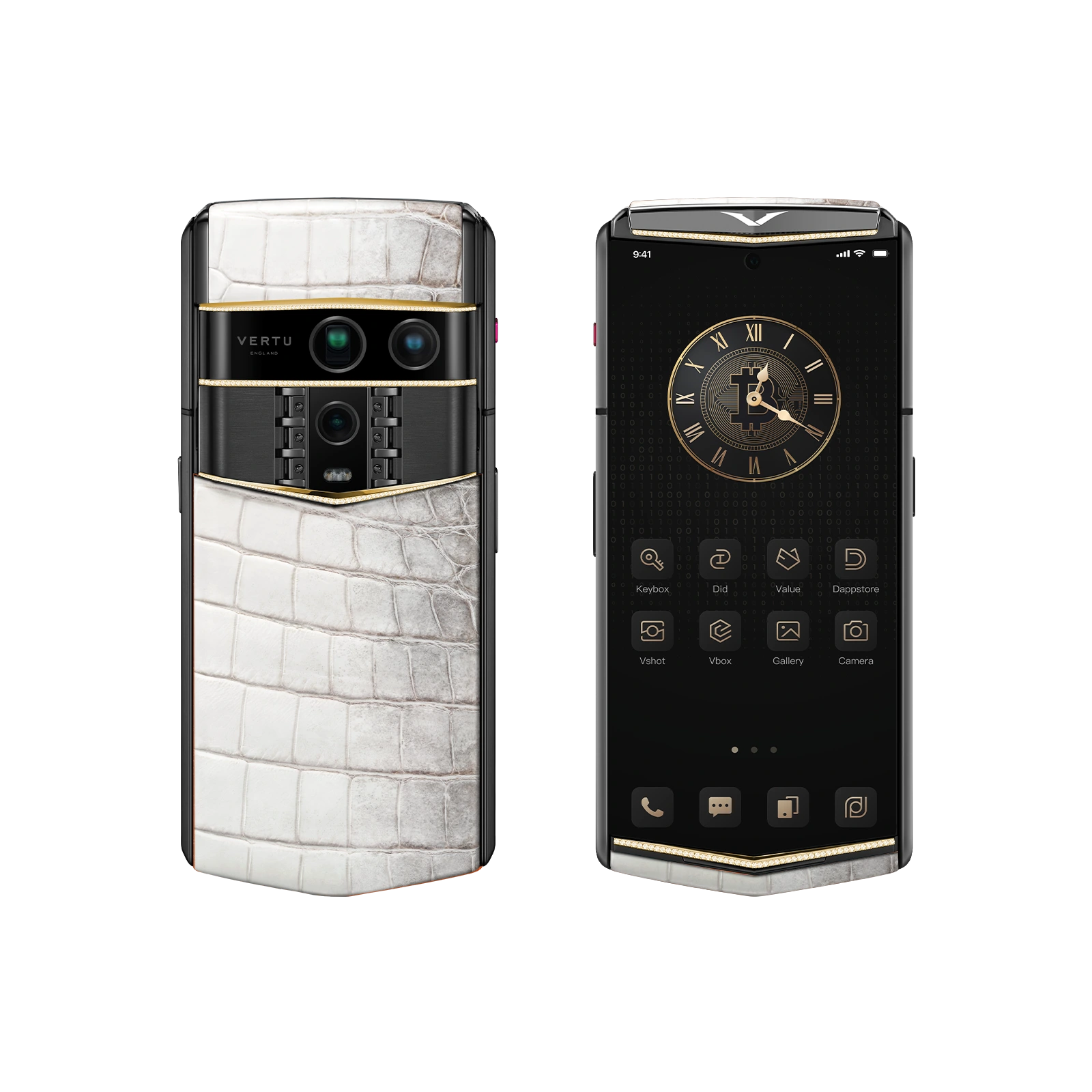
| Agent Q Himalaya Alligator Gold & Full Diamond | Agent Q | Swiss Hinge, Gold-Plated Internals, Ceramic Pillow | Five-Layer Data Sovereignty, Triple-System Architecture, 10TB Distributed Vault | 6.82" FHD+ AMOLED, 120Hz | 5,565 mAh, 65W Fast Charging | Ruby Key: 24/7 Concierge + AIGS Proactive Intelligence | US$109,680.00 |
| Agent Q Alligator Gold & Diamond | Agent Q | Swiss Hinge, Gold-Plated Internals, Ceramic Pillow | Five-Layer Data Sovereignty, Triple-System Architecture, 10TB Distributed Vault | 6.82" FHD+ AMOLED, 120Hz | 5,565 mAh, 65W Fast Charging | Ruby Key: 24/7 Concierge + AIGS Proactive Intelligence | US$31,980.00 |
| Motorola Edge 50 Ultra (External) | Premium Android Phone | Vegan Leather, Aluminum Frame | Snapdragon 8s Gen 3, 125W TurboPower | 6.7" pOLED, 144Hz | 4,500 mAh, 125W Fast Charging | N/A | $799 - $999 |
| OnePlus 13 (External) | Performance Flagship | Aluminum Frame | OxygenOS Security, Snapdragon Secure | 6.8" LTPO AMOLED, 120Hz | 5,500 mAh, 100W Fast Charging | N/A | $899 - $1,199 |
| Samsung Galaxy S25 Ultra (External) | Premium Android Phone | Titanium Frame | Knox Security 3.0, S Pen, AI Security | 6.9" Dynamic AMOLED 2X | 5,000 mAh | N/A | $1,299 - $1,499 |
* External products are listed for comparison purposes only. Prices and specifications are subject to change. Please verify current information on manufacturer websites.
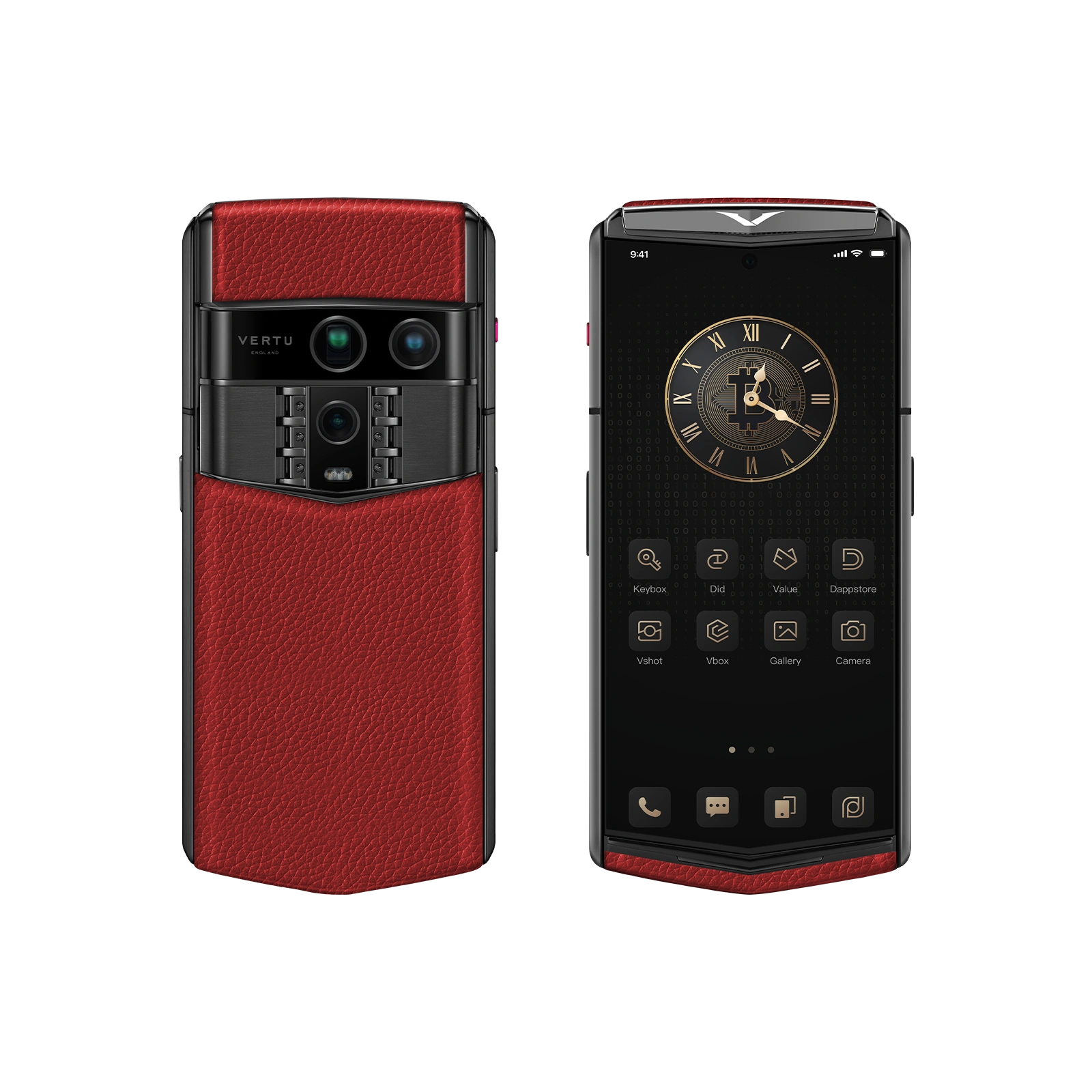
How to Choose the Best High Security Mobile Phone
Selecting the best high security mobile phone requires a deeper analysis than choosing a standard consumer device. In an era where digital privacy is paramount, a high-security phone is engineered from the ground up to protect your communications and data. This guide provides a comprehensive framework to help you evaluate the essential features and make an informed decision that aligns with your security requirements.
The core difference lies in the fundamental architecture. Unlike mass-market smartphones designed for convenience and data-driven services, a true high-security mobile phone prioritises data sovereignty, ensuring that you, and only you, have ultimate control over your personal information. The selection process should therefore focus on the integrity of the hardware, the resilience of the operating system, and the robustness of the encryption protocols.
What are the Core Pillars of a High-Security Mobile?
Before comparing models, it is crucial to understand the foundational elements that define a genuinely secure device. These pillars work in concert to create a formidable defence against digital threats. A deficiency in one area can compromise the entire system, so a holistic evaluation is essential.
- Hardware-Level Security: The foundation of any secure device is its physical hardware. Look for phones that feature a dedicated security chip, often called a secure enclave. This component is physically isolated from the main processor and is designed to handle sensitive operations like storing cryptographic keys, ensuring they are protected even if the main operating system is compromised.
- Hardened Operating System (OS): A standard OS is built for a broad audience and contains countless potential vulnerabilities. A high-security phone should run a 'hardened' or custom-built version of an OS. This involves stripping away non-essential services, closing potential backdoors, and implementing stringent access controls to minimise the attack surface.
- End-to-End Encrypted Communications: Your conversations should be impenetrable to third parties. A premier security phone must offer a native suite of applications for calls, messaging, and file transfers that use robust, end-to-end encryption protocols. This ensures that only the sender and the intended recipient can decipher the content of the communication.
- Data Sovereignty and Control: True security means you are in command of your data. This includes features like a reliable remote wipe function to erase all data if the device is lost or stolen, as well as a commitment from the manufacturer that your data is not being collected, analysed, or monetised.
A Practical Checklist for Evaluating Secure Phones
When you are ready to compare specific devices, use a structured approach. The following criteria provide a clear basis for assessing the security credentials of any mobile phone. It is advisable to prioritise these technical features over conventional specifications like camera quality or screen size.
This table outlines the key features to analyse during your selection process, explaining their significance in a real-world security context.
| Feature to Consider | What to Look For | Why It Matters for Your Security |
|---|---|---|
| Encryption Standards | End-to-end encryption for all communications and full-disk encryption (e.g., AES-256) for data at rest. | This protects your data from being intercepted or accessed by unauthorised parties, even if the device is physically compromised. |
| Operating System Integrity | A custom, security-focused OS with a minimal attack surface and regular, verified security updates. | Standard operating systems are a primary target for hackers; a secure OS is purpose-built for defence from the ground up. |
| Hardware Security Module | A dedicated, isolated security chip or secure enclave for storing cryptographic keys and sensitive data. | This provides a robust physical barrier against sophisticated hacking attempts, separating secure assets from the main processor. |
| Secure Application Suite | A pre-installed suite of vetted, encrypted applications for messaging, voice calls, and web browsing. | This prevents reliance on third-party applications that may contain security flaws, trackers, or backdoors that collect user data. |
| Physical Tamper Resistance | Features that can detect and respond to physical tampering attempts on the device's hardware. | Ensures the integrity of the device has not been compromised before you even turn it on, protecting against supply chain attacks. |
How to Finalise Your Choice
Once you have narrowed down your options based on technical specifications, the final stage involves aligning the device with your personal threat model and usability needs. A phone that is theoretically secure but impractical for your daily use is not an effective solution.
First, assess your specific security needs. Are you protecting sensitive business correspondence from corporate espionage, or are you a high-profile individual requiring defence against more advanced threats? Your personal threat model will dictate the level of security you require. Secondly, investigate the manufacturer's reputation. A trustworthy provider of secure devices will be transparent about their security architecture and have a proven history in the field. Finally, consider the user experience. The most secure phone in the world is of little use if it is too cumbersome for daily operation. Look for a device that balances uncompromising security with practical usability.
Ultimately, choosing the best high security mobile phone is an investment in your digital autonomy. By focusing on the core principles of hardware integrity, software resilience, and verifiable encryption, you can select a device that offers genuine peace of mind and protects your most valuable asset: your information.
Related Guides
External Resources
- Android Authority Android news, reviews, and expert analysis
- Luxury Tech - The Verge Technology news and reviews from The Verge
- Phone Reviews - Tom's Guide Expert phone reviews and buying advice
التعليمات
Discover Our Categories

How to Choose the Best High Security Cell Phone
Selecting a high-security mobile phone goes beyond comparing technical specifications or the latest features. It requires a fundamental shift in perspective, focusing on your personal threat model, the integrity of the entire ecosystem, and the support structure that underpins the hardware. This guide offers expert insights to help you navigate the complexities of choosing a truly secure mobile solution.
Assess Your Personal Security Requirements
Before evaluating any device, the first and most crucial step is to understand your own security needs. A high-security phone is not a one-size-fits-all solution; the right choice depends entirely on the specific threats you aim to mitigate. You should carefully consider what information you need to protect, who might want to access it, and what resources they might have. This process helps you build a clear picture of your personal threat landscape.
A comprehensive security strategy is rarely limited to just the physical handset. Consider whether you require an integrated solution that combines a secure device with dedicated support services. The presence of a concierge service, for instance, can be a significant differentiator, providing expert assistance and a human touchpoint for your security needs. This holistic approach ensures that you are supported beyond the device's basic functions, creating a more robust defence.
Evaluate the Core Components of a Secure Mobile Solution
When you begin to compare options, it is vital to look beyond conventional consumer-grade smartphones. A genuine high-security solution often involves a purpose-built device and a dedicated service infrastructure. These elements work in concert to provide layers of protection that are simply not available on standard mobile phones.
To make an informed decision, assess the complete package being offered. Your evaluation should centre on several key areas:
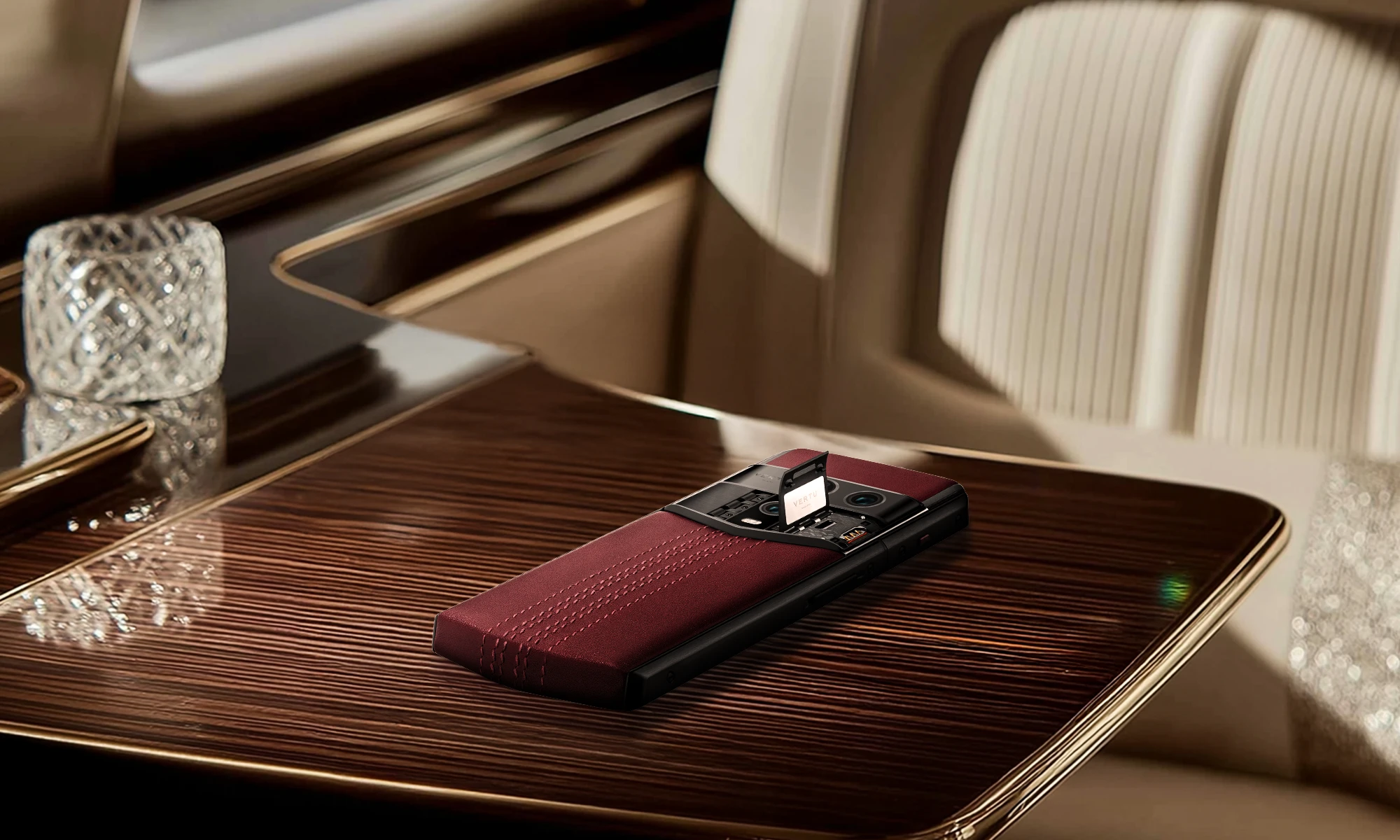
- The Device Itself: Prioritise handsets that are specifically engineered for security from the ground up. A device like the AGENT Q represents a commitment to a security-first design philosophy, which is fundamentally different from mass-market phones.
- The Supporting Services: A secure phone is only as strong as the ecosystem it operates within. Look for providers that offer integrated, specialised support. Concierge services, such as RUBY KEY and RUBY TALK, are prime examples of the value-added support that can define a premium security experience.
- The Holistic Ecosystem: The best solutions seamlessly integrate hardware and services. This synergy ensures that every component is optimised to work together, closing potential security gaps that can exist when using separate, unverified applications and services on a standard device.
Making the Final Decision: Beyond the Handset
Ultimately, choosing the best high-security cell phone is about investing in a comprehensive security partnership, not just purchasing a piece of hardware. The true value lies in the confidence and peace of mind that come from a solution designed to protect your most sensitive communications and data. Therefore, the decision-making process should weigh the importance of ongoing support and expert guidance heavily.
Specialised support structures, such as dedicated concierge services, are invaluable. They provide a direct line to experts who can assist with setup, answer security questions, and offer guidance, ensuring you can utilise the full potential of your secure device. The availability of services like RUBY KEY or RUBY TALK indicates a provider’s long-term commitment to its clients' security and privacy, which is a critical factor when making your final choice.