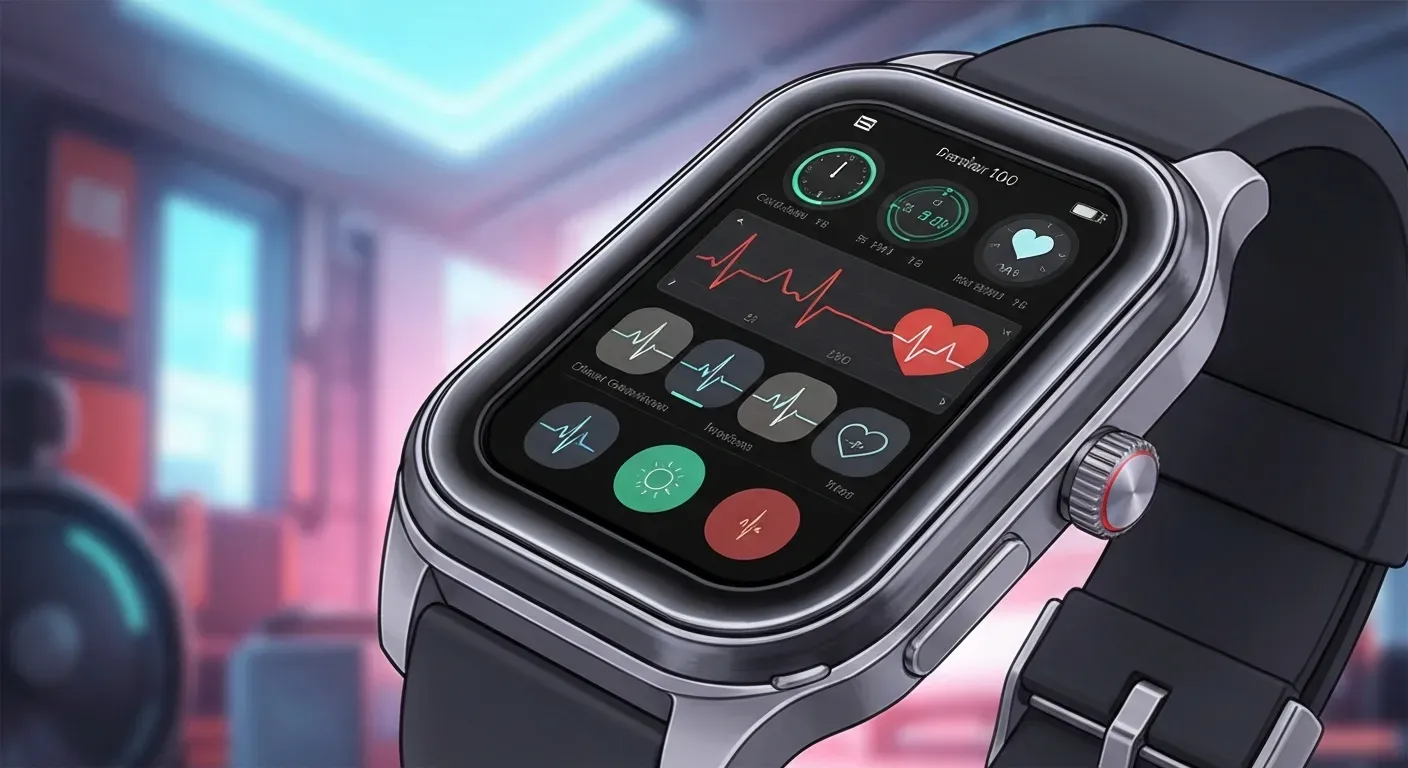
 What if your wrist could tell you the story of your heart in real-time? In 2026, taking a proactive approach to your cardiovascular well-being has never been more critical or accessible. Moving beyond reactive check-ups, personal technology now places powerful health insights directly into your hands, empowering you to understand your body's most vital organ.
This revolution is powered by the evolution of the modern wearable cardiac monitor. These sophisticated devices, from sleek smartwatches to dedicated trackers, offer continuous and detailed data on your heart's performance. They transform complex medical information into easy-to-understand metrics, making advanced heart health tracking a part of your daily routine.
This guide will navigate you through the top seven devices leading the market. We will explore their cutting-edge features, from on-demand ECG monitoring to the detection of irregularities like atrial fibrillation. By the end, you'll have the knowledge to choose the right monitor to stay informed, in control, and confident in your heart health.
The Best Wearable Cardiac Monitors of 2026
Choosing the right wearable cardiac monitor is a crucial step toward proactive health management. These sophisticated devices have moved beyond simple step counting, offering clinical-grade insights into your heart's performance. From all-in-one smartwatches to dedicated medical devices, this guide explores the top options available to help you find the perfect partner for your heart health journey.
1. Apple Watch Series 10
The Apple Watch Series 10 stands as a leader in the smartwatch category for its comprehensive approach to cardiac wellness. It integrates seamlessly into daily life while providing powerful health metrics.
Its advanced ECG app allows users to take an electrocardiogram directly from their wrist, capturing heart rhythm when they experience symptoms. This feature provides critical data that can be easily shared with a doctor. Furthermore, its system for irregular heart rhythm notifications acts as a vigilant guardian, passively monitoring for signs of atrial fibrillation (AFib).
Coupled with blood oxygen tracking and an innovative fall detection feature, the Apple Watch Series 10 offers a holistic safety net. It’s more than just a fitness device—it’s a powerful wearable cardiac monitor for everyday peace of mind.
2. Fitbit Sense 2
The Fitbit Sense 2 excels as a fitness-forward wearable cardiac monitor with a strong emphasis on holistic wellness. It provides robust, noninvasive cardiac monitoring through continuous heart rate tracking, giving you a baseline understanding of your cardiovascular health 24/7. This constant data stream helps identify trends and potential issues over time.
Its ECG capabilities are specifically designed for AFib detection, offering on-demand checks for arrhythmia. Beyond direct heart metrics, the Sense 2 features advanced stress management tools that track electrodermal activity. The inclusion of irregular heart rhythm notifications further solidifies its position as a comprehensive health companion.
3. Garmin Forerunner 265
Designed with athletes in mind, the Garmin Forerunner 265 is a versatile tool for monitoring heart health under physical stress. While it provides essential 24/7 heart rate monitoring, its true strength lies in analyzing performance metrics during activity. This allows athletes to optimize training zones and avoid overexertion.
The device also incorporates blood oxygen tracking to assess acclimatization at high altitudes and monitor respiratory health. Crucially, its detailed sleep analysis provides insights into recovery, as quality sleep is directly linked to heart function. It is the ideal wearable cardiac monitor for tracking performance.
4. Google Pixel Watch
The Google Pixel Watch brings Fitbit's renowned health-tracking expertise into the Google ecosystem, offering a sleek design with highly precise monitoring. Its standout feature is its ability to track heart rate once per second. This provides an incredibly granular view of your cardiac activity throughout the day and during workouts.
This level of detail is ideal for users focused on optimizing their fitness routines. This precise data feeds into a comprehensive system that also monitors daily activity, calories burned, and sleep patterns. The Pixel Watch offers a clear and continuous picture of your overall well-being.
5. Whoop 5.0
The Whoop 5.0 distinguishes itself by being a dedicated heart rate monitor band rather than a traditional smartwatch. With no screen, it focuses entirely on collecting and analyzing high-quality physiological data. It delivers in-depth insights into workout intensity, recovery, and sleep.
It supports continuous remote heart monitoring by tracking blood oxygen levels and, critically, detecting potential irregular heart rhythms. The Whoop 5.0 is designed for data-driven individuals who want to understand their cardiovascular system. It's a powerful, specialized wearable cardiac monitor without smartwatch distractions.
6. Withings ScanWatch 2
The Withings ScanWatch 2 masterfully blends the elegance of a classic analog watch with the power of an advanced medical-grade device. This hybrid smartwatch is perfect for those who prefer a discreet yet powerful wearable cardiac monitor. It offers 24/7 heart rate monitoring and allows for on-demand ECG readings.
Its capabilities extend to blood oxygen tracking and sleep apnea monitoring, providing a comprehensive overview of cardiac and respiratory health. Perhaps its most impressive feature is an incredible 30-day battery life. This ensures consistent, uninterrupted heart rhythm monitoring without the need for daily charging.
| Feature | Apple Watch Series 10 | Withings ScanWatch 2 | KardiaMobile |
|---|---|---|---|
| Form Factor | Smartwatch | Hybrid Smartwatch | Portable ECG Device |
| ECG Capability | On-Demand | On-Demand | On-Demand |
| Continuous HR | Yes | Yes | No |
| Battery Life | ~18-36 hours | Up to 30 days | ~200 hours (2 years) |
| Primary Use | All-in-one Health & Lifestyle | Long-term, discreet monitoring | Medical-grade spot-checks |
7. KardiaMobile
Unlike the other devices on this list, KardiaMobile is not a 24/7 wearable but a portable, clinical-grade ECG device. Its purpose is to provide quick, accurate heart rhythm analysis on the go. In just 30 seconds, it can detect atrial fibrillation, bradycardia, and tachycardia with FDA-cleared accuracy.
The device pairs via Bluetooth with a smartphone app, where it generates detailed, shareable reports. This makes it an invaluable tool for remote heart monitoring, allowing users to easily send their ECG readings to their doctor. KardiaMobile is an essential tool for managing potential cardiac events.
How to Choose the Right Wearable Cardiac Monitor in 2026
Selecting the best wearable cardiac monitor begins with understanding your core needs. Are you an athlete seeking fitness tracking, or do you require advanced features like an electrocardiogram (ECG)? Defining your primary goal is the crucial first step.
Next, evaluate the device's accuracy and features. A reliable monitor must provide consistent heart rate data. For deeper insights, look for validated ECG capabilities to detect arrhythmias. Additional sensors measuring blood oxygen (SpO2) and skin temperature offer a more holistic view.
The daily user experience is paramount. A user-friendly interface and a companion app that clearly visualizes trends are crucial for making sense of your data. This must be paired with comfort and practical battery life. The device should be comfortable enough for 24/7 wear.
| Monitor Type | Primary Use | Key Features | Cost Model |
|---|---|---|---|
| Fitness Tracker | General Wellness | Basic HR, SpO2 | One-time purchase |
| Advanced Health Watch | Proactive Monitoring | ECG, HR, SpO2, Temp | Higher one-time cost |
| Subscription Service | Data-Intensive Analysis | Continuous HR, Strain/Recovery | Monthly/Annual Fee |
Finally, consider connectivity and budget. Ensure your chosen device offers seamless Bluetooth pairing and allows for easy data sharing with healthcare providers. Factor in the total cost, as some models operate on a subscription basis. Weighing these factors will help you make a sound decision.
The Future of Cardiac Monitoring: 2026 and Beyond
Looking ahead, the landscape of cardiac monitoring is set for a profound transformation. Advancements in noninvasive technology will continue, with the wearable cardiac monitor becoming even more sophisticated. These devices will move beyond simple heart rate tracking to detect subtle changes in heart rhythm.
This evolution will be tightly integrated with telehealth platforms, creating a seamless ecosystem for remote heart monitoring. This is crucial for facilitating proactive interventions, especially for aging populations. AI and machine learning will analyze vast data streams to provide deeper, personalized insights.
The overarching goal remains clear: making advanced health technology accessible and intuitive. The focus on user-friendly design will ensure that these powerful tools are available to a broader audience. This empowers individuals to take charge of their well-being with confidence.
| Advancement Area | Impact in 2026 & Beyond | Primary Beneficiary |
|---|---|---|
| Sensor Technology | Detection of subtle, early-stage irregularities | At-risk individuals |
| AI Analytics | Personalized health insights & risk prediction | All users |
| Telehealth Link | Proactive, remote medical intervention | Aging populations |
| Design & UI/UX | Increased adoption and consistent usage | General public |
FAQ (Frequently Asked Questions)
Q1: Can a wearable cardiac monitor detect a heart attack?
A1: No, consumer wearables cannot detect a heart attack. They identify irregularities like AFib, but you must seek immediate medical help for heart attack symptoms like chest pain.
Q2: What is the difference between ECG and continuous heart rate monitoring?
A2: Continuous heart rate tracking measures your beats per minute 24/7. An ECG (electrocardiogram) takes a snapshot of your heart's electrical rhythm to check for specific irregularities like AFib.
Q3: Do I need a prescription for these devices?
A3: No, the consumer devices listed, like smartwatches and fitness trackers, do not require a prescription. Only specific, clinical-grade monitors prescribed by a doctor are different.
Q4: How accurate are wearable cardiac monitors?
A4: Leading brands offer highly accurate heart rate tracking. Many also have FDA-cleared ECG features for detecting potential arrhythmias like atrial fibrillation, though they are not a substitute for medical-grade equipment.
خاتمة
This guide has explored the top wearable cardiac monitors of 2026, from feature-rich smartwatches to specialized medical devices. We have highlighted key functionalities like ECG readings, continuous heart rate tracking, and AFib detection. The right choice ultimately depends on your personal health goals, whether for fitness, prevention, or managing a condition.
Now is the time to take control of your cardiovascular health. Review your specific needs and use this guide to compare the features, accuracy, and user experience of each device. Choosing the right wearable cardiac monitor is a powerful step toward a healthier, more informed future.