 In 2026, selecting the perfect timepiece has evolved far beyond simply telling time; it is now a critical choice between seamless connectivity and enduring status. You likely find yourself weighing the advanced health metrics of wearable tech against the undeniable prestige of high-end horology. This modern dilemma highlights the rapidly blurring lines between pure utility and sophisticated craftsmanship.
While standard smartwatches offer vast app ecosystems, they often lack the heirloom quality found in superior manufacturing. Enter the digital luxury watch, a unique category that harmonizes the aesthetic appeal of traditional watchmaking with powerful, hidden capabilities. Distinguishing between these two options is vital for ensuring your next wristwear purchase aligns perfectly with your lifestyle and expectations.
This article dissects the essential differences to help you navigate the complex market of 2026 with confidence. We will examine practical smartwatch benefits, such as healthcare monitoring for seniors, alongside the digital authentication and design elements found in upscale models. Read on to discover whether your wrist deserves a data-driven companion or a masterpiece of modern elegance.
Smartwatch Functions Versus Digital Luxury Watch Capabilities
Consumers today must choose between high-tech connectivity and traditional craftsmanship. Smartwatches function as wrist-mounted computers, while traditional timepieces offer mechanical longevity. A new and exciting category, the digital luxury watch, merges physical assets with blockchain verification. This section explores the distinct functionalities of these devices, from health tracking to digital authentication.
Smartwatch Functionality: The Connected Hub
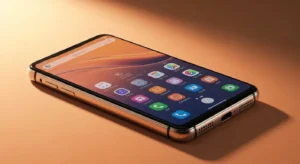
Smartwatches act as powerful mini-computers. They sync directly with smartphones via Bluetooth technology to enable instant data transfer between devices. Users can receive calls, text messages, and app notifications without ever handling their phones. Manufacturers design these units to serve as central hubs for daily connectivity, keeping you plugged into your digital life effortlessly.
Core Smartwatch Features for Enhanced Living
Health tracking constitutes a primary function of modern smartwatches. Advanced sensors monitor heart rates, analyze sleep cycles, and record daily step counts with clinical precision. GPS modules track running routes and provide turn-by-turn navigation. Furthermore, these devices integrate seamlessly with various third-party applications to expand their utility.
Productivity tools significantly enhance the user experience. Voice assistants execute commands and answer queries instantly. Calendar integration pushes reminders directly to the wrist, ensuring you never miss a meeting. These features aim to streamline daily tasks and effectively reduce smartphone screen time.
Advanced Smartwatch Features for Specific Users
Certain smartwatches target specific demographics, such as seniors. These models feature large, high-contrast displays for improved readability. The interfaces prioritize voice activation to simplify navigation for those less comfortable with touchscreens. Physical designs often include waterproof casings and extended battery life to minimize maintenance requirements.
Safety features distinguish these specialized devices. Automatic fall detection triggers immediate alerts to family or emergency services. Emergency help buttons connect users to 24/7 response centers. Wi-Fi location technology assists caregivers in tracking the user's position, while advanced sensors provide continuous heart rate monitoring for peace of mind.
| Feature Category | Smartwatch | Standard Digital Watch | Analog Watch | Digital Luxury Watch (2026+) |
|---|---|---|---|---|
| Primary Power | Rechargeable Battery | Long-life Battery (CR2032) | Mechanical or Quartz | Mechanical + Blockchain |
| Display Type | OLED/LCD Touchscreen | LCD/LED Numerals | Physical Hands | Physical Hands + Digital Twin |
| Connectivity | Bluetooth, Wi-Fi, LTE | None | None | NFC/Blockchain Link |
| Key Function | Apps & Health Data | Time & Stopwatch | Time & Style | Authenticity & Asset Value |
| Maintenance | Daily/Weekly Charging | Battery Change (Years) | Service (3-5 Years) | Service + Digital Ledger Update |
Digital Watch Practicality: Simplicity and Reliability
Standard digital watches utilize LCD or LED panels to indicate time. They display distinct numerals rather than rotating hands. This format prioritizes immediate readability and precision. These timepieces focus on practicality and affordability, functioning as robust tools for everyday use without the distraction of notifications.
Standard Digital Watch Features
Standard models include essential timing tools. Users access daily alarms and precision stopwatches for event timing. Backlights illuminate the display in low-light conditions. These devices strip away complex operating systems, offering reliable timekeeping without the need for software updates or nightly charging.
Analog Watch Elegance: Timeless Appeal
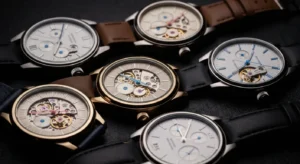
Analog watches feature traditional hour, minute, and second hands. Quartz crystals or mechanical springs power the movement. The design emphasizes physical engineering over software code. Collectors value the mechanical complexity and the visual sweep of the hands, viewing them as kinetic art.
Enduring Analog Watch Qualities
These watches generally require no daily charging. Mechanical movements run on kinetic energy or manual winding, while quartz models use batteries that last for years. Owners value the durability and lack of screen glare. They serve as symbols of status and traditional craftsmanship that transcend digital trends.
Digital Luxury Watch Authentication: The Future of Trust
إن digital luxury watch sector evolves through advanced authentication. By 2026, digital certificates will verify provenance instantly. Manufacturers use blockchain technology to secure data, ensuring that every timepiece has a digital twin. Standards like Ethereum's ERC-721 create unique records that prove the watch's origin, serial number, and activation date.
Digital Certificate Features: Blockchain-Secured Authenticity
These digital certificates function as Non-Fungible Tokens (NFTs). The blockchain ledger ensures the data remains unalterable. Owners transfer the digital certificate when selling the physical watch, creating a seamless chain of custody. The token stores the complete repair history and service records, adding a layer of transparency to the pre-owned market.
The system prioritizes user privacy. A wallet address serves as the unique identifier, meaning no personal names attach directly to the public ledger. This method secures ownership data against tampering and ensures the digital luxury watch maintains its value through verifiable history.
Digital Wallet Integration for Seamless Management
Mobile applications bridge the physical and digital worlds. Apps like the Arianee Wallet App store these certificates securely. Users manage their digital luxury watch identities within the interface. The app creates a centralized location for warranty information, simplifying ownership management and verifying asset authenticity with a single tap.
Note: The integration of blockchain technology transforms a standard luxury timepiece into a connected asset, securing its legacy for future generations.
The Evolving Landscape of Watch Technology in 2026
The year 2026 marks a definitive shift in wristwear utility. Manufacturers now prioritize advanced health integration and verifiable ownership over simple timekeeping. Consumers demand devices that monitor vital signs or retain value through blockchain verification. This convergence of utility and security defines the current market.
Smartwatches for Health and Safety in 2026
Wearable technology serves as a primary tool for proactive wellness. Devices feature real-time medical alert systems that operate autonomously. These systems contact emergency services immediately upon detecting falls or irregular heart rhythms. Sensors measure blood pressure and glucose levels non-invasively, providing continuous data streams without needles.
Detailed health monitoring for seniors tracks mobility patterns and medication adherence. Users share this data directly with healthcare professionals via encrypted channels. This integration transforms the watch from an accessory into a critical medical necessity. Doctors receive updates instantly, allowing for faster interventions during health crises.
Digital Certificates: Securing Luxury in 2026
Blockchain technology revolutionizes the high-value market. Brands issue immutable digital tokens with every physical purchase. These tokens record ownership history, service logs, and warranty status. The ledger prevents tampering, ensuring that the history of the piece remains accurate and permanent.
This system combats counterfeiting effectively. Collectors verify a digital luxury watch by scanning a chip embedded in the case or strap. This process ensures transparency and secures the asset's provenance for future resale. Buyers gain confidence knowing the item matches the digital record exactly.
Design and User Experience: A 2026 Perspective
Modern interfaces differ significantly based on the device category. Smartwatches utilize customizable OLED displays and gesture controls for navigation. Conversely, traditional brands blend analog dials with hidden authentication tech. User evaluation considers both functional depth and enduring craftsmanship.
| Feature | Consumer Smartwatch | Digital Luxury Watch |
|---|---|---|
| Primary Focus | Health & Connectivity | Heritage & Asset Value |
| Display Tech | Customizable Digital Interface | Analog with NFC/RFID |
| Verification | User Account Login | Blockchain Certificate |
| Material | Aluminum / Bio-ceramics | Precious Metals / Sapphire |
| Longevity | 3-5 Year Lifecycle | Multi-generational |
Note: The user-based quality evaluation in 2026 considers both the functional depth of smart devices and the enduring craftsmanship of traditional luxury pieces.
Buyers choose between advanced medical diagnostics and secure, verifiable heritage. The industry caters to both immediate health needs and long-term asset security. This dual approach ensures that wristwear remains relevant in a digitized world.
FAQ (Frequently Asked Questions)
Q1: Can a smartwatch replace a luxury watch in 2026?
A1: Smartwatches offer connectivity and health tracking, but they don't replace the status of traditional craftsmanship. While smart features provide utility, mechanical watches retain asset value. The definition of luxury now often includes hybrid models.
Q2: How do digital certificates ensure authenticity in 2026?
A2: Brands use blockchain to create tamper-proof records of identity, specs, and ownership history. This decentralized ledger guarantees legitimacy without paper. It ensures the item's history is accurate and permanent.
Q3: Are smartwatches useful for seniors in 2026?
A3: Yes, designers prioritize senior safety with features like fall detection and medical alerts. Interfaces are simplified with large text. These functions support independence and enhance monitoring capabilities.
Q4: What is the role of blockchain in luxury watches in 2026?
A4: Blockchain acts as a transparent ledger for tracking provenance and ownership. It secures ownership transfers and prevents counterfeiting. This technology underpins digital certificates and ensures asset integrity.
Q5: How is user-based quality evaluation applied to watches in 2026?
A5: Users assess display clarity, battery life, and functionality against personal needs. Modern design appeal also plays a role. This evaluation process applies to both smart and luxury watch categories.
خاتمة
As 2026 unfolds, the evolving horological landscape offers a compelling choice between high-tech smartwatches and the sophisticated digital luxury watch. While smartwatches excel in advanced health tracking and seamless connectivity, luxury timepieces now successfully merge timeless elegance with modern, blockchain-backed security. Ultimately, a digital luxury watch stands as a powerful symbol of enduring value and authenticated ownership in our fast-paced world.
To make the right decision, you must carefully evaluate your daily priorities alongside your specific lifestyle requirements. If you value seamless digital integration and real-time fitness metrics, a feature-rich smartwatch is likely your best companion. However, if you prioritize heritage, distinct style, and secure asset protection, investing in a digitally authenticated timepiece is the superior path for your future.
We encourage you to explore the latest 2026 collections to discover the distinct features that resonate with your personal journey. Compare the newest market innovations today to find the perfect blend of cutting-edge technology and traditional craftsmanship. Embrace the exciting future of timekeeping now and select the watch that truly defines your unique success.