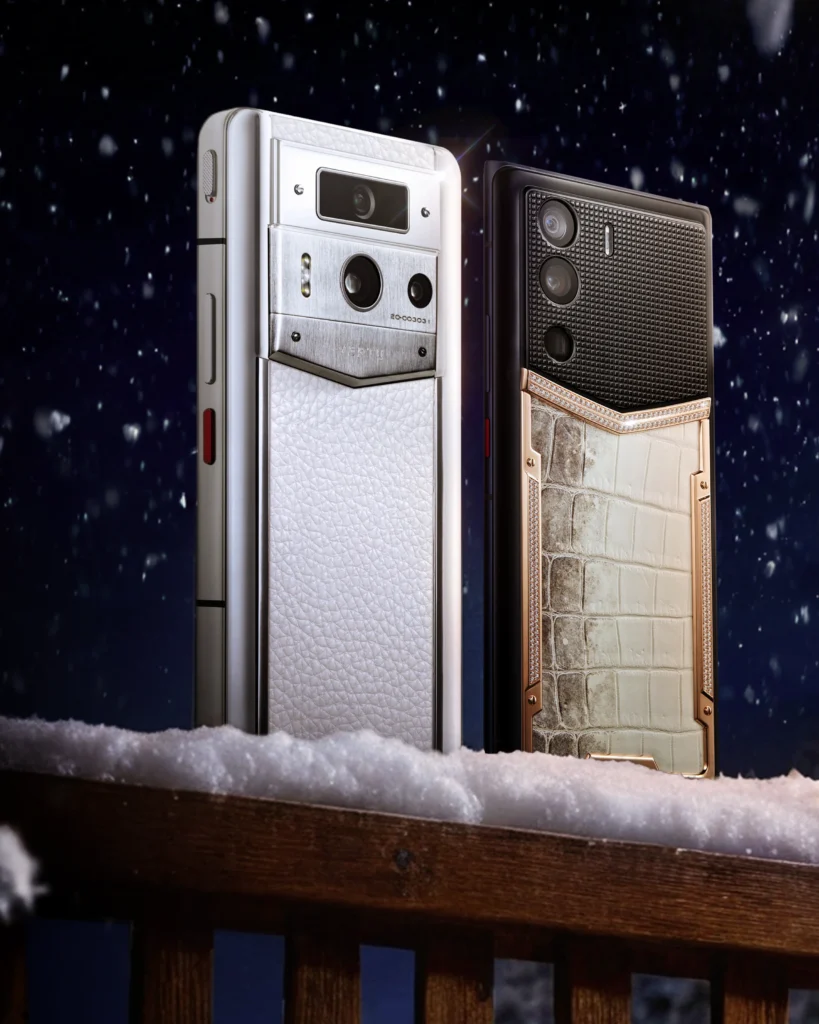
When you evaluate your current portfolio, do you only see traditional assets like gold, silver, or corporate stocks? It might be time to look closer at the history of communication technology. As we settle into 2025, a unique and lucrative opportunity is emerging within the world of high-end collectibles.
Selecting a rarity Phone for investment is no longer just a niche hobby for tech enthusiasts; it is quickly becoming a viable strategy for financial diversification. From unopened first-generation models to limited-edition prototypes, these devices are commanding impressive prices in the US market.
This article will guide you through the essentials of this evolving sector, helping you identify the key factors that drive value and distinguish true collectibles from mere old electronics. We will compare these digital relics to standard commodities and offer practical advice for making informed purchasing decisions. Read on to discover how understanding the nuances of rare mobile phones can unlock unexpected value in your investment strategy this year.
Defining the ‘Rarity Phone' Investment Landscape in 2025
In the financial landscape of 2025, the definition of a “smart” investment has expanded beyond traditional stocks and bonds to include alternative tangible assets. A rarity Phone for investment is no longer viewed merely as obsolete technology; it is increasingly treated as a cultural artifact, akin to vintage watches or classic cars.
This shift recognizes a crucial market reality: while mass-market devices depreciate instantly, specific models gain value through historical scarcity and design provenance.
What Makes a Phone a Rare Investment Asset?
To qualify as an investment-grade asset, a device must possess attributes that ensure long-term appreciation. It is not about processing power, but rather historical significance and limited production runs. Investors must familiarize themselves with key terminologies that dictate market value:
- NOS (New Old Stock): Devices that remain in their original, sealed packaging. This is the “gold standard” for collectors.
- Prototypes: Pre-production units used for testing. These are exceptionally rare and often command the highest prices due to their uniqueness.
- Limited Editions: Models released in restricted quantities, often featuring luxury materials or brand collaborations.
- Discontinued Models: Phones that marked a significant shift in design language or technology before being phased out.
Beyond Functionality: The Collector's Premium
The value of a vintage phone in 2025 is driven by the “collector's premium.” This economic concept suggests that factors like nostalgia, cultural impact, and perceived scarcity drive value far beyond the device's original utility.
“In the high-end collector's market, a phone's inability to connect to modern 5G networks is irrelevant. Its value lies entirely in its status as a preserved piece of industrial design history.”
Investors are paying for the narrative. A device that defined a generation carries an emotional weight that converts into financial value, provided it remains in mint condition.
Investment Grade Bullion vs. Rare Phones: A 2025 Comparison
When analyzing risk and return, rare phones behave differently than traditional safe-haven assets like gold or silver. While bullion offers stability, rare technology offers high-risk, high-reward potential based on market trends and collector sentiment.
Comparative Asset Analysis (2025 Outlook)
| Feature | Investment Grade Bullion (Gold/Silver) | Rare Phones (Vintage/Limited) |
|---|---|---|
| Primary Value Driver | Intrinsic material value & economic hedging | Scarcity, condition, & cultural nostalgia |
| Liquidity | High: Instantly convertible to cash globally | Low to Medium: Requires niche auctions or specialized buyers |
| Storage Needs | Secure vault (heavy, requires insurance) | Climate-controlled display (sensitive to battery degradation) |
| ROI Potential | Steady, inflation-matching growth | Volatile; potential for exponential spikes on specific models |
| Risk Profile | Low (Safe Haven) | High (Speculative Asset) |
By understanding these distinctions, investors can diversify their portfolios, balancing the stability of metals with the speculative growth potential of rare mobile technology.
Assessing Investment Potential: Critical Valuation Factors
The market for vintage technology has evolved from niche nostalgia into a sophisticated asset class, mirroring the trajectories of fine watchmaking and classic automobiles. To successfully navigate this landscape, the discerning collector must apply rigorous standards of evaluation.
When securing a rarity Phone for investment, one is not merely buying a device; one is acquiring a piece of industrial history. The potential for appreciation relies heavily on a triad of scarcity, physical preservation, and provenance.
Scarcity, Condition, and Brand Reputation
The fundamental economic principle of supply and demand dictates that you must scrutinize production numbers and model availability. However, low production numbers are only the starting point. In this sector, condition is paramount.
Investors should exclusively target items classified as ‘mint condition' or ‘New Old Stock' (NOS). An NOS device is one that has never been used, often still retaining its factory protective films. Even a microscopic scratch on the chassis or a degraded battery cover can significantly diminish the asset's liquidity and value. Furthermore, brand reputation plays a crucial role; limited runs from luxury collaborations or pivotal models from giants like Nokia or Motorola often hold value better than obscure, non-influential brands.
The Role of Provenance and Documentation
Authenticity is the bedrock of valuation. A loose handset is simply a used phone; a handset with a “Full Set” is a museum piece. Verifying authenticity requires a forensic approach to the accompanying materials.
The importance of original packaging, receipts, and provenance cannot be overstated. A matching IMEI number on the chassis, the software, and the original box is the gold standard for verification.
| Feature/Item | Investment Grade (NOS) | Collector Grade (Mint) | User Grade (Fair) |
|---|---|---|---|
| Physical State | Factory Sealed / Never Activated | Flawless; opened but unused | Visible wear; scratches present |
| Packaging | Original, crisp, unblemished box | Original box, minor shelf wear | No box or generic packaging |
| Accessories | All original, wrapped, untouched | Complete, potentially unwrapped | Missing or 3rd-party replacements |
| Documentation | Original receipt & matching serials | Manuals present | None |
| Value Potential | Highest (Premium Asset) | Moderate (Stable Hold) | Low (Nostalgia Only) |
Technological Significance and Historical Context
Beyond the physical attributes, the narrative weight of the device drives desire. Historical impact matters. One must consider phones that represented technological leaps—such as the first commercially available mobile phone or the device that introduced the app ecosystem—or those that capture specific cultural moments.
“A true investment piece functions as a time capsule, preserving a specific moment in the evolution of human communication.”
By prioritizing devices that marked a paradigm shift in design or utility, investors ensure their assets possess enduring relevance. A phone that changed the world will always be more covetable than one that merely existed within it.
Navigating the US Market for Rare Phone Investments
As we move into 2025, the boundary between obsolete technology and high-value art continues to blur. Collectors and investors alike are increasingly treating vintage mobile technology as a legitimate alternative asset class. Securing a rarity Phone for investment requires more than nostalgia; it demands a strategic understanding of market dynamics, condition assessment, and historical significance.
Identifying Trends: Iconic Models and Emerging Opportunities
The US market is currently witnessing a bifurcation in demand. On one side, there is the “Blue Chip” stability of sealed Apple products; on the other, the volatile but high-reward market for early “brick” phones and iconic feature phones.
The primary driver of value is the “sealed” status. A factory-sealed original iPhone (2007) commands prices vastly superior to open-box examples. However, savvy investors are also tracking early Android devices (like the T-Mobile G1) and pop-culture icons like the Matrix-style Nokia 8110.
| الفئة | Iconic Model Example | Investment Driver | Risk Profile |
|---|---|---|---|
| Vintage Apple | Original iPhone (2G) 4GB/8GB | Historical significance; Luxury status | Low (High entry cost) |
| Brick Phones | Motorola DynaTAC 8000X | First commercial mobile; Scarcity | Medium |
| Feature Phones | Nokia 8800 Arte / 8110 | Design aesthetics; Pop culture | High (Niche demand) |
| Early Android | HTC Dream / T-Mobile G1 | OS History; First-mover status | Medium |
Where to Buy and Sell: Marketplaces and Dealers
Navigating the US landscape requires knowing where to look. While eBay remains the largest volume marketplace for raw finds, it is rife with risks regarding condition verification.
For high-grade investment pieces, specialized auction houses such as LCG Auctions or Wright have become the gold standard. These platforms offer provenance checks that casual platforms lack.
Investor Note: “Specialized forums and collector groups often facilitate private sales of rare prototypes that never reach public auction blocks.”
Storage, Preservation, and Avoiding Pitfalls
Preserving a rarity Phone for investment is distinct from storing other collectibles due to the volatility of chemical components.
- Battery Management: For unsealed units, remove the battery immediately to prevent swelling and acid leaks which destroy the circuit board.
- Climate Control: Store devices in a humidity-controlled environment (40-50% RH) to prevent corrosion or mold on paper packaging.
- UV Protection: Keep packaging away from direct sunlight to avoid fading the box art, which significantly impacts grading.
Common Pitfalls:
The most prevalent danger in 2025 is the “reseal”—a used phone repackaged to look new. Investors must learn to identify factory seal lines and vent holes. Furthermore, neglecting professional grading (via services like CGC or VGA) can lead to overpaying for items that are visually appealing but technically flawed. Always prioritize condition reports over seller descriptions.
FAQ (Frequently Asked Questions)
Q1: What makes a phone a “rarity phone” for investment purposes?
A1: A “rarity phone” for investment is defined by its historical significance, limited production numbers, exceptional condition (ideally New Old Stock or mint), and strong provenance. It's not about its current functionality but its status as a collectible artifact that has the potential to appreciate in value over time.
Q2: Are rarity phones a good diversification strategy compared to traditional assets like gold?
A2: Rarity phones offer a different risk/reward profile than traditional assets. While gold provides stability, rarity phones can offer higher, albeit more volatile, returns driven by collector demand and market trends. They are considered a speculative asset and can complement a diversified portfolio by adding exposure to alternative tangible assets.
Q3: What are the most important factors to consider when assessing the investment value of a vintage phone?
A3: The key factors are scarcity (low production numbers), condition (NOS or mint is crucial), provenance (documentation and authenticity), technological significance (historical impact), and brand reputation. The presence of original packaging and all accessories also significantly boosts value.
Q4: Where is the best place to buy and sell rare phones in the US market for investment?
A4: For high-value investment pieces, specialized auction houses like LCG Auctions or Wright are recommended due to their authentication processes. eBay can be useful for finding raw items, but requires careful due diligence. Collector forums and private sales can also yield unique opportunities.
Q5: How should I store and preserve my investment-grade rarity phones to maintain their value?
A5: Proper storage is critical. For unsealed phones, remove the battery to prevent damage. Store all items in a climate-controlled environment (40-50% humidity) away from direct sunlight to prevent corrosion and fading. Protecting the original packaging is as important as protecting the device itself.
خاتمة
As we navigate the evolving financial landscape of 2025, choosing a rarity Phone for investment has emerged as a compelling strategy for forward-thinking collectors. We have unpacked how factors such as extreme scarcity, mint condition, and documented provenance are the primary drivers of value in this niche. Unlike traditional safe havens such as gold, silver, or copper, vintage mobile devices offer a unique blend of historical significance and appreciation potential. For those willing to master the specific market dynamics, these technological artifacts represent a sophisticated avenue for wealth generation.
Now is the perfect moment to transform this knowledge into action. Begin by deeply researching iconic models known for low production numbers and explore online marketplaces to gauge current demand. However, simply buying is not enough; you must prioritize learning about professional storage methods to prevent degradation and master authentication to avoid counterfeits. By carefully selecting these assets, you can effectively integrate them into a diversified portfolio, potentially unlocking significant value that outperforms standard market indices.
Ready to explore the exciting world of rarity phone investments? Start your research today by identifying key models and understanding market trends. For expert guidance and to stay ahead of the curve, subscribe to our newsletter and follow our social media channels for continuous insights into alternative asset classes and the future of investment.
Powered by OpenSEO.