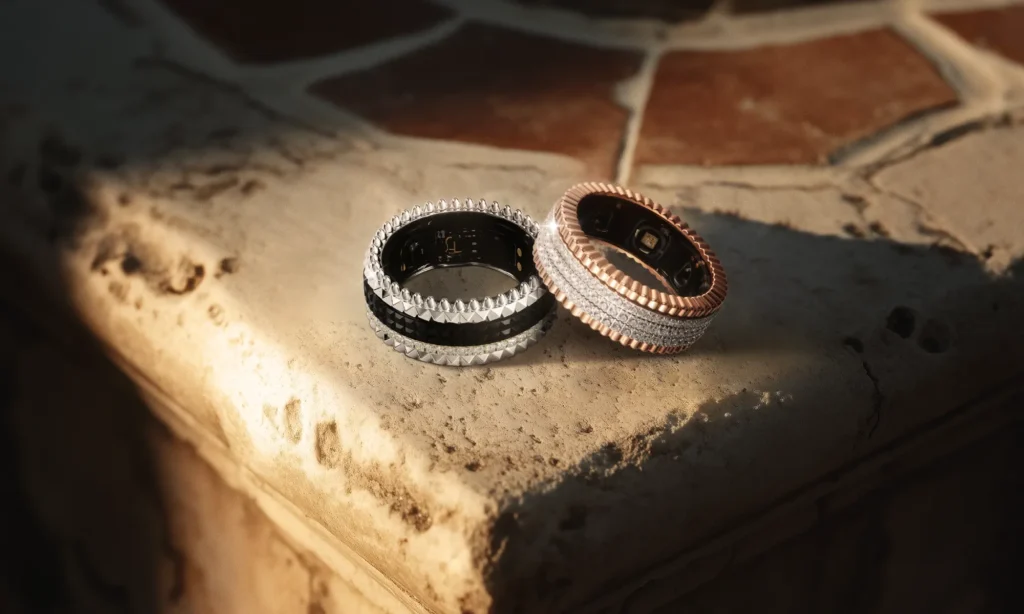
The moment a velvet box opens to reveal a symbol of eternal love is truly breathtaking. Whether you are planning a romantic proposal or indulging in a piece of everyday luxury, finding the ideal diamond ring for women is a milestone filled with anticipation and emotion. As the jewelry market evolves in 2025, buyers are facing a modern dilemma that defines the industry: choosing between the earth-mined rarity of natural diamonds and the technological marvel of lab-grown creations.
This comprehensive guide is designed to help you navigate this dazzling landscape with absolute confidence. We will explore the essential differences, comparing the timeless allure of natural gems with the ethical and budget-friendly advantages of modern innovation. From understanding geological origins and physical characteristics to analyzing cost, value retention, and sentimental symbolism, we provide the clarity you need. Read on to ensure your final choice is not just a purchase, but a cherished treasure that perfectly reflects your personal story and style.
The 2025 Landscape: Natural vs. Lab-Grown Diamonds
In 2025, the choice between natural and lab-grown stones dominates the conversation for luxury buyers. Whether selecting an engagement piece or a celebratory gift, understanding these distinct categories is essential for making an informed decision. While they share an identical appearance to the naked eye, their histories and value propositions differ significantly. The quest for the perfect diamond ring for women involves balancing tradition with innovation, aligning the chosen gem with your specific budget, ethical standards, and personal values.
Natural Diamonds: Ancient Brilliance and Heritage
Natural diamonds are geological treasures, formed deep within the Earth's mantle under immense pressure and heat over billions of years. Brought to the surface by violent volcanic eruptions via kimberlite pipes, their ancient origin is a primary driver of their allure. Owning a natural diamond means owning a tangible piece of the planet's history.
“A natural diamond is not just a stone; it is a survivor of the Earth's most chaotic forces, offering a connection to the prehistoric world.”
In the current market, appreciation for natural diamonds centers on their rarity and unique character. Their specific optical traits often stem from trace nitrogen impurities absorbed during eons of formation. For investors and collectors, natural diamonds represent a significant asset with historically stable value retention, maintaining their status as the ultimate symbol of luxury, exclusivity, and enduring legacy.
Lab-Grown Diamonds: The Pinnacle of Modern Innovation
Lab-grown diamonds represent the height of modern technological achievement. Created in high-tech laboratories within a matter of weeks, these stones are born from advanced methods like High Pressure High Temperature (HPHT) or Chemical Vapor Deposition (CVD).
Crucially, lab-grown diamonds are chemically, physically, and optically identical to natural diamonds. They possess the same refractive index, dispersion (fire), and hardness (10 on the Mohs scale). For the eco-conscious consumer in 2025, they offer a compelling narrative: a more ethical choice, free from mining complexities and often boasting a significantly lower carbon footprint. This innovation allows for pristine gems that rival nature's best without environmental displacement, offering a guilt-free luxury experience.
Comparing the Key Differences: A Buyer’s Guide
While visually indistinguishable to the naked eye, core differences lie in origin, cost, and long-term value. Understanding these distinctions is vital for an informed purchase when selecting a diamond ring for women.
| Feature | Natural Diamonds | Lab-Grown Diamonds |
|---|---|---|
| Origin | Mined from Earth (Billions of years old) | Manufactured in a Lab (Created in weeks) |
| Composition | Pure Carbon (with natural trace elements) | Pure Carbon (identical crystal structure) |
| Cost | Higher price due to rarity and mining costs | Significantly more affordable (production driven) |
| Value Retention | Generally high; considered an investment | Lower resale value; purchased for wear |
| Sustainability | Heavy industrial mining impact | Lower environmental impact; energy-dependent |
| Primary Appeal | Tradition, legacy, and natural history | Ethical considerations, affordability, and optics |
This comparison highlights that the “right” choice depends entirely on what you value most: the romance of geological history or the pragmatic benefits of modern science.
Understanding Diamond Price and Carat Weight
Diamond price continues to be governed by the 4Cs: Carat, Cut, Color, and Clarity. However, the financial implications shift dramatically based on the stone's origin.
For natural diamonds, rarity drives the cost up exponentially with carat size. A flawless, colorless natural stone is a rare geological anomaly, commanding a substantial premium. Conversely, lab-grown diamonds offer a much more accessible price point for comparable quality. In 2025, this pricing structure allows buyers to maximize their budget significantly. Those seeking a spectacular diamond ring for women can often afford a significantly larger and higher-quality lab-grown stone than a natural one of the same price, making high-impact luxury more attainable than ever before.
The Gemologist's Perspective: Authenticity and Quality
Regardless of origin, a professional gemologist plays a crucial role in the buying process. Their expertise verifies authenticity and grades quality. Because lab-grown and natural diamonds are visually identical, advanced screening equipment is required to distinguish between them.
- Natural Inclusions: Gemologists look for specific “birthmarks” or inclusions indicating natural formation deep within the earth.
- Growth Patterns: Lab-grown stones may exhibit distinct patterns specific to the HPHT or CVD growth processes.
A certified grading report from a reputable lab (such as GIA or IGI) is essential. It ensures you understand the gem's precise characteristics, guaranteeing you get exactly what you pay for, whether you choose nature's romance or science's brilliance.
Symbolism, Beauty, and Everyday Style
The journey of a diamond, from discovery or creation to adornment, is rich with symbolism. Whether natural or lab-grown, diamonds remain the universal standard for enduring love and commitment. Their inherent beauty—that unmistakable fire and scintillation—captivates the eye and heart equally.
For many, the “realness” of a diamond comes from the sentiment it represents. A lab-grown diamond symbolizes the same promise of forever as a natural one. It marks milestones, anniversaries, and engagements with the same intensity. The choice is no longer about “fake vs. real,” but rather about which story—ancient heritage or modern ethics—resonates more deeply with the wearer.
Beyond engagement rings, diamonds have solidified their place as staples of everyday luxury. Because both natural and lab-grown diamonds rank as the hardest known mineral, they offer unmatched durability for daily wear. We see a surge in “everyday diamonds”—stud earrings, solitaire pendants, and stackable rings designed for versatility. The affordability of lab-grown diamonds has particularly democratized this trend, allowing consumers to build a collection of high-quality diamond jewelry without waiting for a special occasion.
FAQ (Frequently Asked Questions)
Q1: Can a jeweler tell the difference between a natural and a lab-grown diamond just by looking at it?
A1: No, not with the naked eye or a standard jeweler's loupe. Because both types of diamonds have identical optical and chemical properties, they look exactly the same. A jeweler or gemologist needs specialized equipment to detect specific growth patterns or trace elements to distinguish between the two.
Q2: Is a lab-grown diamond considered a “real” diamond?
A2: Yes, absolutely. The Federal Trade Commission (FTC) classifies lab-grown diamonds as real diamonds because they are chemically, physically, and optically identical to mined diamonds. The only difference is their origin—one is grown in a lab, and the other is mined from the earth. Cubic Zirconia or Moissanite, by comparison, are diamond simulants and are not made of carbon.
Q3: Do lab-grown diamonds get cloudy or lose their sparkle over time?
A3: No. Because lab-grown diamonds are made of crystallized carbon just like natural diamonds, they are incredibly hard and durable. They will not get cloudy, fade, or lose their brilliance over time. They require the same care and cleaning as a natural diamond to maintain their sparkle.
Q4: Which option is better if I am on a strict budget but want a large stone?
A4: If maximizing the size and quality of the stone within a specific budget is your priority, a lab-grown diamond is the superior choice. You can typically purchase a lab-grown diamond that is 30-50% larger (or higher quality) than a natural diamond for the same price.
Q5: Do natural diamonds hold their value better than lab-grown diamonds?
A5: Generally, yes. Natural diamonds have a finite supply and a long history of retaining market value, making them a potential investment or heirloom asset. Lab-grown diamonds, while valuable, are a manufactured product with an increasing supply, which typically results in lower resale value compared to their natural counterparts.
خاتمة
In 2025, the landscape of fine jewelry offers more freedom than ever, making the choice between natural and lab-grown stones a journey of personal discovery rather than compromise. Whether you are captivated by the geological rarity of a natural gem formed deep within the earth or the sustainable innovation of a lab-created stone, both options provide distinct paths to acquiring breathtaking beauty. Ultimately, a diamond ring for women serves as far more than just a sparkling accessory; it is a profound symbol of love, a significant milestone marker, and a lasting reflection of your individual values.
To ensure you make the best decision, take the time to carefully consider how your specific budget aligns with the ethical stance and symbolic meaning you wish to impart. We strongly recommend consulting with a trusted gemologist who can guide you through the technical details and allow you to explore both natural and lab-grown options side-by-side. Viewing the brilliance firsthand is often the only way to truly understand which stone speaks to your heart.
Ready to find the ring of her dreams? Browse our exclusive collection today or book a complimentary consultation with our diamond experts to explore the perfect blend of brilliance and style tailored just for you.