
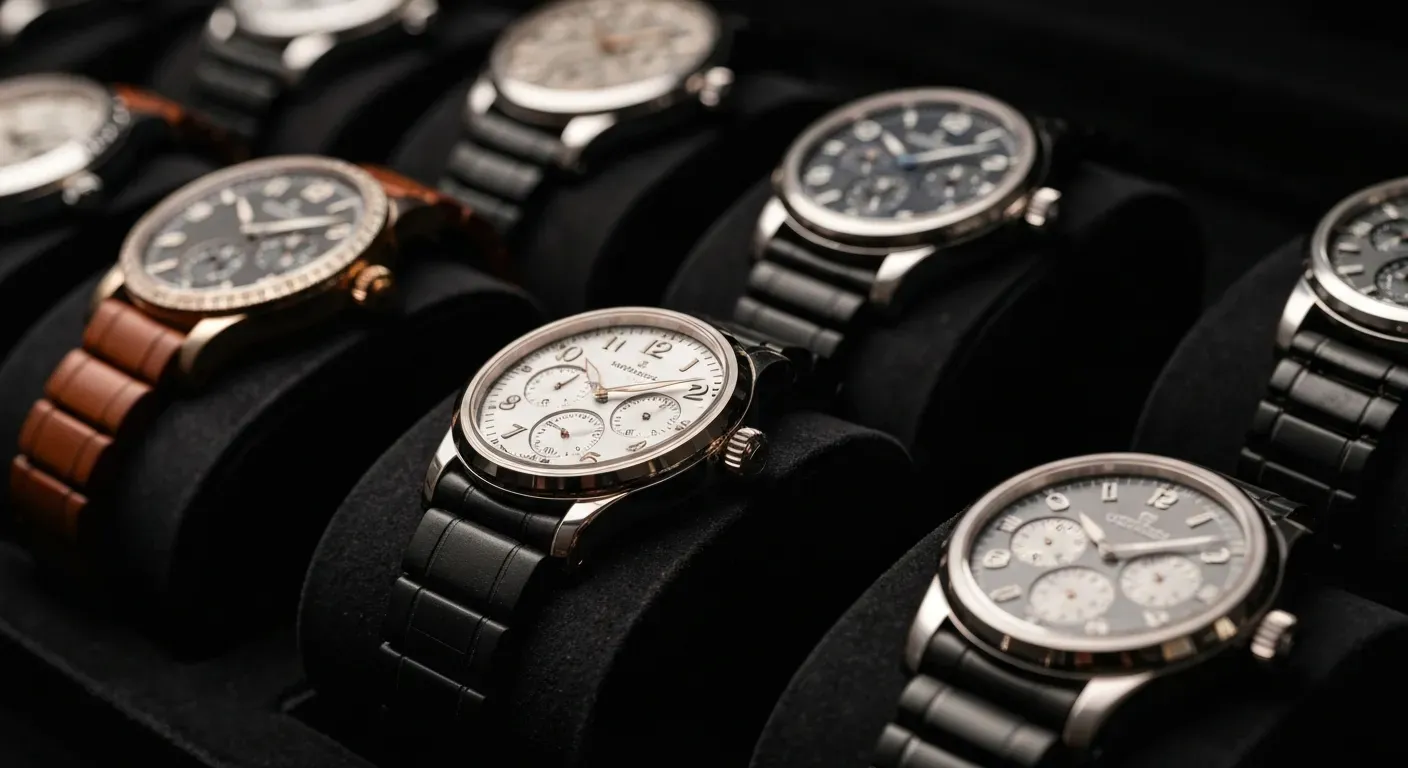
 In the exclusive universe of haute horlogerie, few debates heat up a room quite like the battle between Patek Philippe and Richard Mille. You are faced with a distinct choice between centuries of refined tradition and the cutting edge of futuristic engineering. These two titans represent the ultimate status symbols, yet they speak entirely different languages of success.
As you navigate the marketplace for the most luxury watches, understanding the nuance between understated elegance and bold technical mastery is essential. While one brand whispers heritage and timeless value, the other screams innovation and high-performance durability. Deciding which brand holds the crown requires looking far beyond the price tag.
This article delves into a comprehensive comparison of heritage, craftsmanship, and investment potential. We will explore their defining characteristics and analyze how they stack up in the evolving 2026 market. By the end, you will know exactly which powerhouse commands more prestige for your collection.
Patek Philippe Versus Richard Mille: The Ultimate Watch Comparison
Collectors frequently debate which brands define the pinnacle of horology. Two specific names dominate the conversation surrounding the most luxury watches: Patek Philippe and Richard Mille. Patek Philippe represents over 180 years of history, while Richard Mille utilizes Formula 1 engineering.
This comparison analyzes the distinct approaches these manufacturers take toward high-end watchmaking. Both brands command respect, but they achieve it through vastly different methods.
Patek Philippe: The Epitome of Traditional Haute Horlogerie
Antoine Norbert de Patek and Adrien Philippe established Patek Philippe in 1839. The brand focuses on classical aesthetics and mechanical purity. Their watchmakers apply finishing techniques by hand, including Geneva stripes and perlage.
The company produces timepieces intended to serve as heirlooms. Families often pass these watches down through multiple generations. This focus on longevity and traditional design defines their production philosophy.
Richard Mille: The Avant-Garde Innovator
Richard Mille founded his brand in 1999. The company draws inspiration directly from automotive racing and aerospace engineering. Engineers utilize materials such as Carbon TPT and Grade 5 titanium.
These components reduce weight while increasing shock resistance. The designs feature skeletonized dials and tonneau-shaped cases. This aesthetic contrasts sharply with traditional Swiss manufacturing.
It appeals to collectors who prioritize technical performance and modern industrial styling.
Comparing Craftsmanship and Complications
Patek Philippe specializes in traditional complications, producing timepieces like perpetual calendars and minute repeaters. The Grandmaster Chime exemplifies this mastery, featuring 20 complications and a reversible case.
Richard Mille pursues architectural depth and durability. The RM 53-01 showcases this approach, with a tourbillon movement suspended by cables. This mechanism is engineered to withstand significant G-forces and impacts.
| Feature | Patek Philippe | Richard Mille |
|---|---|---|
| Founding Year | 1839 | 1999 |
| Primary Style | Classical, Traditional | Avant-Garde, High-Tech |
| Key Materials | Gold, Platinum, Steel | Carbon TPT, Titanium, Ceramic |
| Key Example | Grandmaster Chime | RM 53-01 |
| Inspiration | Traditional Horology | Formula 1 Racing |
Investment Potential and Value Retention
Both brands demonstrate strong performance in the secondary market. Auction houses frequently record high hammer prices for these manufacturers. Limited production numbers drive demand for specific references.
Investors treat these watches as assets. Pre-owned markets show consistent interest in both catalogs. Values often appreciate beyond the initial retail price, making them attractive for capital preservation.
Prestige in the 2026 Market
The 2026 market landscape highlights two distinct paths. Patek Philippe relies on heritage to maintain its status as a standard for traditional prestige among Swiss watch brands.
Richard Mille occupies a niche built on exclusivity and material science. Their bold designs attract a specific segment of high-net-worth buyers. Both companies stand as cornerstones of the luxury watch industry.
The Landscape of Ultra-Luxury Watch Brands in 2026
The market for the most luxury watches in 2026 prioritizes distinct mechanical specifications and material science. Collectors analyze heritage, production numbers, and technical performance. Swiss manufacturing dominates this sector, where value retention correlates with brand hierarchy.
Patek Philippe vs. Richard Mille: A Deeper Dive
Patek Philippe focuses on high complications like perpetual calendars, encasing movements primarily in 18k gold or platinum. In contrast, Richard Mille engineers cases from Carbon TPT and Grade 5 titanium. These materials withstand high G-forces during athletic activity.
Patek Philippe appeals to collectors valuing traditional finishing techniques. Richard Mille targets buyers seeking shock resistance and lightweight ergonomics. The following table outlines their structural differences:
| Feature | Patek Philippe | Richard Mille |
|---|---|---|
| Case Material | Gold, Platinum, Steel | Carbon TPT, Titanium, Sapphire |
| Core Mechanism | Grand Complications | Tourbillons, G-Force Sensors |
| Case Shape | Round (Calatrava), Soft Octagon (Nautilus) | Tonneau (Barrel Shape) |
| Production Volume | ~70,000 units annually | ~5,500 units annually |
| Primary Focus | Horological Tradition | Material Innovation |
Considering Other Elite Swiss Watch Brands
The industry extends beyond just two manufacturers. Rolex, Audemars Piguet, and Vacheron Constantin maintain significant market share. They establish the standards for durability, finishing, and resale liquidity.
Their catalogs offer distinct entry points for investors and enthusiasts.
Rolex, Audemars Piguet, and Vacheron Constantin as Benchmarks
Rolex utilizes 904L stainless steel, known as Oystersteel, for maximum corrosion resistance. They produce over one million units per year, ensuring global brand recognition. Audemars Piguet centers its identity on the Royal Oak, featuring a distinct octagonal bezel.
“Vacheron Constantin holds the record for the oldest continuous watchmaker, operating without interruption since 1755.”
Vacheron Constantin focuses on the “Holy Trinity” of watchmaking. Their movements often bear the Hallmark of Geneva. This certification guarantees specific decorative and functional standards.
The Role of a Watchfinder and Watch Price Guide
Navigating the secondary market requires precise data. A reliable watchfinder tool filters results by specific reference numbers and year of production. A comprehensive watch price guide displays historical auction results.
This data reveals price trends over five and ten-year periods. Verification of authenticity protects capital. Market values fluctuate based on demand and the discontinuation of specific models.
Smart collectors rely on charts and serial number databases. They employ an analytical approach to mitigate risk when purchasing expensive timepieces.
FAQ (Frequently Asked Questions)
Q1: Which brand offers better complications, Patek Philippe or Richard Mille?
A1: Patek Philippe excels in traditional complications like perpetual calendars and minute repeaters. Richard Mille focuses on innovative mechanics, such as G-force sensors and variable-geometry rotors. Both brands offer superior engineering suited to different collector preferences.
Q2: Are Richard Mille watches a good investment for 2026?
A2: Yes, Richard Mille watches are excellent investments due to strict production limits and high demand. Their use of cutting-edge materials like Carbon TPT adds intrinsic value. Specific models often appreciate significantly in the secondary market.
Q3: How do Patek Philippe watches hold value compared to other brands?
A3: Patek Philippe watches demonstrate exceptional value retention, often outperforming other brands. Historical significance and models like the Nautilus drive consistent demand. They remain a safe asset class for long-term capital preservation.
Q4: Why are these Swiss watch brands so expensive?
A4: High costs stem from precious materials, intricate hand-finishing, and extensive research and development. Limited production runs prevent economies of scale, ensuring exclusivity. These factors justify the premium pricing of these elite timepieces.
Q5: Is it better to buy a pre-owned Patek or a new Richard Mille?
A5: A pre-owned Patek Philippe offers established heritage and value stability. A new Richard Mille delivers modern innovation and durability. Your choice depends on whether you prioritize historical legacy or futuristic engineering.
خاتمة
Patek Philippe and Richard Mille stand as the undisputed titans of the industry, each commanding immense prestige. While Patek offers timeless legacy and investment security, Richard Mille delivers avant-garde designs. Owning one of these most luxury watches represents the ultimate commitment to status.
Evaluate your aesthetic preferences between heritage and innovation carefully. Consult a current price guide to verify market trends before purchasing. Start your journey today to secure the ultimate statement piece for your collection.