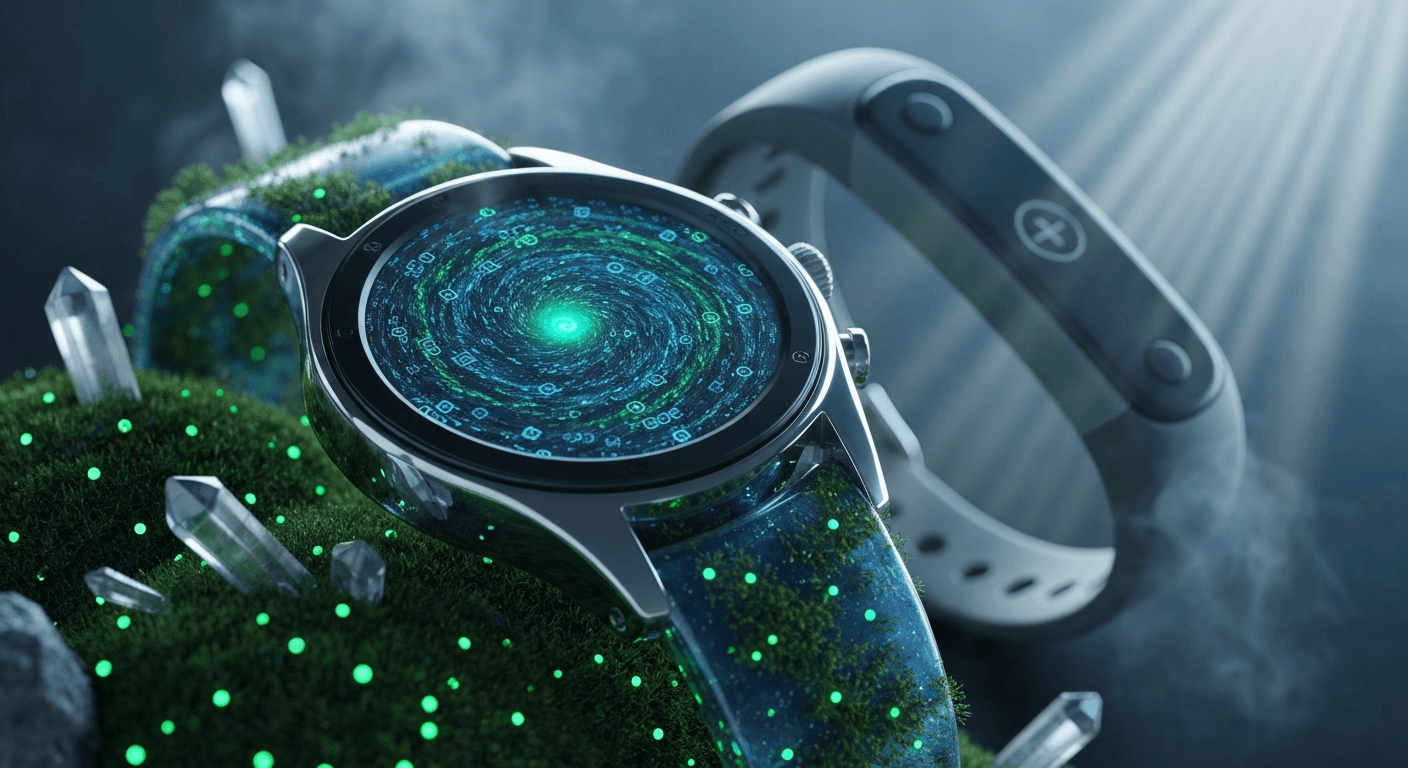
 In the rapidly evolving digital health landscape of 2025, glancing at your wrist offers far more than just the time—it provides a sophisticated window into your real-time physiology. But as you navigate your daily wellness routine, are you relying on a casual consumer gadget or a clinically validated tool to interpret that vital data?
Understanding the critical distinction between a standard fitness tracker and a medical grade smartwatch is essential for anyone prioritizing precise diagnostics over simple estimations. While regular wearables are excellent for general motivation, they often lack the regulatory clearance and sensor accuracy required for serious health decisions.
This guide breaks down the key differences, helping you identify which technology aligns with your specific monitoring needs. We will explore what truly defines a medical-grade device, compare its advanced capabilities against popular consumer models, and discuss essential applications in chronic disease management. Read on to ensure you are equipped with the most reliable information to choose the perfect wearable for your health journey.
What Defines a Medical Grade Smartwatch in 2025?
In the crowded market of digital health, the distinction between a gadget and a healthcare tool is critical. A medical grade smartwatch is defined as a wearable device that has undergone rigorous testing and meets stringent regulatory standards for accuracy, reliability, and safety in collecting and transmitting health data. It is not merely an accessory; it is a validated instrument for patient care.
Defining ‘Medical Grade': Beyond Consumer Wellness
Unlike regular smartwatches found in electronics stores, medical-grade devices are designed for clinical accuracy. While consumer wearables focus on motivation—tracking steps or estimating calories—medical devices are engineered for diagnosis, continuous monitoring, or treatment support.
The difference lies in the intended use and the reliability of the data. A general wellness device offers trends, whereas a medical-grade device offers precision actionable by healthcare professionals.
| Feature | Consumer Wellness Tracker | Medical Grade Smartwatch |
|---|---|---|
| Primary Purpose | Fitness motivation & lifestyle | Clinical diagnosis & disease management |
| Data Reliability | Estimation / Recreational accuracy | Validated clinical precision |
| Regulatory Status | None or self-certified | FDA Cleared / CE Medical Device |
| Actionability | “You should move more” | “Your atrial fibrillation burden is 12%” |
The Role of Regulatory Standards: FDA Clearance
Key regulatory bodies like the FDA (U.S.) and the EMA (Europe) play a vital role in approving these devices. FDA clearance or approval signifies that the manufacturer has submitted evidence proving the device meets specific criteria for medical use:
- Safety: The device must not harm the user (e.g., thermal safety, biocompatibility).
- Efficacy: The device must actually do what it claims (e.g., detect an arrhythmia accurately).
In 2025, this regulatory stamp is the primary filter separating high-end toys from life-saving tools.
Accuracy and Validation: The Cornerstone of Medical Devices
Validation ensures precision in measuring vital signs such as ECG, blood oxygen (SpO2), and blood pressure to a level acceptable for clinical decision-making.
“Clinical validation requires that the smartwatch's readings be compared against gold-standard reference devices (like a hospital 12-lead ECG) in controlled clinical studies.”
For patients with hypertension or cardiac conditions, this validation ensures that the data shared with their cardiologist is accurate enough to influence medication dosages or treatment plans.
Medical Grade vs. Regular Smartwatches: Key Differences
As wearable technology evolves in 2025, distinguishing between a high-end consumer gadget and a true medical grade smartwatch is critical for users managing chronic conditions. While consumer devices have become sophisticated, the core distinction lies in validation.
Regular smartwatches prioritize general wellness tracking, activity monitoring, and lifestyle features. In contrast, medical-grade equivalents are rigorously tested and validated for clinical accuracy to assist in actual patient care.
Accuracy and Intended Use: Wellness vs. Clinical Insight
The primary divide between these devices is their intended application. Consumer smartwatches are excellent for motivation—tracking steps, estimating calorie burn, and monitoring sleep cycles. However, while regular smartwatches can provide “health insights,” these are generally not considered medically diagnostic.
In contrast, a medical grade smartwatch undergoes strict regulatory scrutiny (such as FDA clearance). These devices are engineered to minimize signal noise and provide data reliable enough for a doctor to make treatment decisions.
Note: “While a consumer watch might alert you to a high heart rate, a medical-grade device provides the precision required to diagnose the underlying arrhythmia.”
Features to Expect: From Step Counts to ECG Readings
Medical-grade wearables go beyond basic metrics. They often offer advanced features like on-demand ECG for atrial fibrillation detection, continuous blood oxygen (SpO2) monitoring, and increasingly, blood pressure estimation—all validated for medical use.
Unlike standard trackers that use algorithms to “guess” metrics based on averages, medical devices use clinical-grade sensors to measure physiological signals directly.
Comparison of Capabilities
| Feature/Spec | Regular Smartwatch | Medical Grade Smartwatch |
|---|---|---|
| Primary Focus | Lifestyle, Notifications, Fitness | Remote Patient Monitoring (RPM), Diagnosis |
| ECG Functionality | Basic screening (often single-lead) | Diagnostic accuracy (AFib detection) |
| Blood Pressure | Rare/Experimental (often unvalidated) | Validated estimation or cuff-based integration |
| Battery Life | 1-2 days (screen heavy) | Extended (optimized for continuous sensing) |
| Regulatory Status | Consumer Electronic | Class II Medical Device (typical) |
Data Security and Interoperability
The final major differentiator is how data is handled. Medical grade smartwatches adhere to strict data privacy regulations like HIPAA in the US, ensuring sensitive patient health information is protected against breaches. Consumer apps often share anonymized data for marketing or research, whereas medical devices prioritize patient confidentiality.
Furthermore, these clinical devices are often designed for seamless integration with Electronic Health Records (EHRs). This interoperability allows data to flow directly from the watch to a physician's dashboard, enabling real-time monitoring and rapid intervention—a feature rarely found in standard off-the-shelf wearables.
2025: Top Medical Grade Smartwatches and Wearable Health Tools
In 2025, the convergence of consumer technology and clinical diagnostics has reached a new peak. Users no longer need to choose between a stylish accessory and a rigorous health monitor. A modern medical grade smartwatch or wearable now offers FDA-cleared insights, bridging the gap between daily wellness tracking and doctor-prescribed monitoring.
Below is a detailed look at the top tools defining this landscape.
KardiaMobile: Portable ECG for Heart Rhythm Monitoring
For those requiring clinical precision without wearing a watch, KardiaMobile remains the gold standard. Priced at $149.00, this device is distinct because it offers a 6-lead ECG, providing significantly more detailed heart rhythm data than standard single-lead smartwatches.
- Best For: Detecting Atrial Fibrillation (AFib) with high accuracy.
- Status: FDA-cleared and FSA/HSA eligible, positioning it strictly as a medical tool rather than a lifestyle accessory.
Apple Watch Series 10: Advanced Health Companion
Starting at $399, the Apple Watch Series 10 continues to dominate the medical grade smartwatch market by blending lifestyle integration with safety. Beyond the standard ECG app and irregular heart rhythm notifications, the Series 10 emphasizes immediate safety through Fall Detection and Emergency SOS. Its ability to track blood oxygen and provide background heart monitoring offers users a sense of continuous security wrapped in a premium interface.
Fitbit Sense 2: Comprehensive Wellness and Stress Management
The Fitbit Sense 2, priced around $299, focuses on a holistic approach to health. While it includes an ECG app and irregular rhythm notifications, its standout feature is the Body Response sensor. This technology continuously tracks electrodermal activity (cEDA) to monitor stress levels in real-time, encouraging users to manage their mental well-being alongside their physical heart health.
Withings ScanWatch 2: Hybrid Design with Medical Clearance
For users who prefer the aesthetic of a traditional analog timepiece, the Withings ScanWatch 2 (starting at $349) offers a sophisticated alternative. It features a physical watch face with a discreet digital screen. Despite its classic look, it is a powerhouse offering 24/7 heart rate monitoring, on-demand ECG, and SpO2 tracking.
- Key Advantage: It boasts an impressive 30-day battery life, solving the daily charging fatigue common with other wearables. It also includes advanced sleep apnea tracking.
Comparison of Consumer Health Wearables
| Device | سعر | Battery Life | Key Medical/Health Feature |
|---|---|---|---|
| KardiaMobile | $149.00 | N/A (Coin Cell) | 6-Lead ECG (Clinical Precision) |
| Apple Watch S10 | ~$399 | ~18-36 Hours | Fall Detection & Emergency SOS |
| Fitbit Sense 2 | ~$299 | ~6 Days | Body Response (Stress) Sensor |
| Withings ScanWatch 2 | ~$349 | Up to 30 Days | Hybrid Design & Sleep Apnea Tracking |
Zio by iRhythm: Discreet Continuous Cardiac Monitoring
Unlike consumer watches, Zio is a prescription-only patch. Costs vary by insurance, but the value lies in its ability to perform continuous monitoring for up to 14 days. It utilizes AI insights followed by physician review to diagnose arrhythmias that intermittent scanners might miss. Its discreet, adhesive profile ensures patient compliance without disrupting daily activities.
BodyGuardian MINI Plus: Real-time Cardiac Data for Providers
The BodyGuardian MINI Plus is designed for high-risk patients requiring immediate oversight. Also prescription-based, its defining feature is the transmission of real-time cardiac data directly to healthcare providers. It is waterproof and utilizes AI analytics to flag anomalies instantly, ensuring that doctors can intervene the moment a critical event occurs.
RingConn Smart Ring: Compact Heart Health Metrics
Moving away from the wrist, the RingConn Smart Ring offers a lightweight, unobtrusive form factor. While specific pricing varies, it packs impressive tech including continuous heart rate, HRV, and SpO2 monitoring into a ring. With a 12-day battery life, it is particularly effective for sleep apnea detection, as it is more comfortable to wear overnight than a bulky medical grade smartwatch.
The Impact of Medical Grade Wearables on Healthcare
In 2025, the convergence of technology and medicine has reached a critical maturity. The medical grade smartwatch has evolved from a wellness accessory into a pivotal clinical tool, fundamentally altering how healthcare is delivered. Unlike their predecessors, these devices are designed with regulatory-cleared sensors that offer precision comparable to hospital equipment.
Revolutionizing Remote Patient Monitoring (RPM)
Medical grade smartwatches are pivotal in Remote Patient Monitoring (RPM), allowing continuous tracking of vital signs outside clinical settings. This shift transforms healthcare from a reactive model—treating symptoms after they appear—to a continuous, data-driven ecosystem. Rather than relying on sporadic snapshots taken during office visits, physicians now access a 24/7 stream of physiological data.
“The transition to medical-grade wearables ensures that patient data is not just informative, but clinically actionable.”
| Feature | Consumer Fitness Tracker | Medical Grade Smartwatch |
|---|---|---|
| Data Accuracy | General estimates | Clinical precision (FDA/CE cleared) |
| Monitoring Frequency | Periodic or on-demand | Continuous/Real-time |
| Data Integration | Standalone App | Electronic Health Records (EHR) |
| Primary Utility | Lifestyle & Wellness | Diagnosis & Treatment Support |
Empowering Chronic Disease Management
These devices significantly aid in chronic disease management by providing consistent data for high-risk conditions:
- Heart Failure: Continuous monitoring of fluid retention metrics and heart rate variability helps predict decompensation events.
- Diabetes: Integration with continuous glucose monitors (CGM) allows for non-invasive tracking of blood sugar trends.
- Arrhythmias: Advanced ECG sensors detect atrial fibrillation in real-time, enabling proactive interventions.
Benefits for Healthcare Providers and Patients
The ecosystem benefits all stakeholders. Healthcare providers benefit from more informed treatment plans and reduced hospital readmissions through reliable patient data. Physicians can adjust medication dosages remotely based on accurate longitudinal data rather than patient recall.
For users, the benefits extend beyond convenience. They experience enhanced health oversight, the potential for earlier diagnosis of silent conditions, and greater peace of mind regarding their health status. Knowing that their medical grade smartwatch is actively monitoring for anomalies provides a sense of security previously available only within hospital walls.
FAQ (Frequently Asked Questions)
Q1: Will health insurance cover the cost of a medical grade smartwatch?
A1: It depends on the device and your specific plan. While general wellness watches (like standard Fitbits) are rarely covered, FDA-cleared devices prescribed for specific conditions (such as cardiac monitors) may be eligible for reimbursement. Additionally, many medical-grade devices and accessories like the KardiaMobile are FSA and HSA eligible, allowing you to use pre-tax dollars for the purchase.
Q2: Can a medical grade smartwatch replace my doctor?
A2: No. Even the most advanced medical grade smartwatch is designed to be a tool for monitoring and data collection, not a replacement for professional medical advice. These devices provide valuable data that can assist your doctor in making a diagnosis, but they cannot treat conditions on their own. Always consult a healthcare professional regarding any concerning symptoms.
Q3: Is my health data safe on these devices?
A3: Generally, yes. True medical-grade devices that integrate with healthcare systems must adhere to strict data privacy laws, such as HIPAA in the United States. This ensures your personal health information is encrypted and protected, unlike some low-end consumer trackers that may sell anonymized user data to third parties.
Q4: Do I need a prescription to buy a medical grade smartwatch?
A4: Not always. Many high-end consumer devices with medical-grade features (like the Apple Watch Series 10 or Withings ScanWatch 2) are available over the counter. However, specialized continuous monitoring patches or devices intended for active remote patient monitoring (like the Zio patch) typically require a prescription from a cardiologist or healthcare provider.
خاتمة
As we navigate the advanced digital health landscape of 2025, the distinction between a standard fitness tracker and a medical grade smartwatch has never been more pronounced. While consumer-grade gadgets are fantastic for motivating general wellness, this article has highlighted that they often lack the scientific rigor required for serious health analysis.
Medical-grade devices truly stand apart through their regulatory clearances and clinically validated accuracy, making them indispensable tools for effective chronic disease management and remote patient monitoring. Investing in a medical grade smartwatch means prioritizing reliability over simple estimation. For individuals managing specific health concerns like hypertension or cardiac irregularities, this verified precision is not just a feature—it is a critical component of safety and proactive care.
Take Action Today:
Ultimately, your choice depends on your goals. For general fitness, a regular tracker suffices, but if you require actionable health data, please consult your healthcare provider to determine if a medical grade smartwatch is the right fit for your specific needs. Don't keep this vital information to yourself—share this guide with friends and family to help them better understand their health tech options. Stay ahead of the curve in 2025 by subscribing to our blog for more expert insights into the latest wearable technology!